
Mindfulness often gets marketed as something that requires long stretches of quiet, a perfectly calm environment, or a meditation cushion and uninterrupted time. For most parents (and especially for those balancing work, caregiving, and emotionally dysregulated children), that version of mindfulness simply isn’t realistic.
The good news is that mindfulness doesn’t need to be big to be effective. In fact, some of the most powerful shifts happen through micro mindfulness habits: tiny, intentional moments of awareness woven into daily life.
Micro mindfulness focuses on nervous system regulation, presence, and emotional awareness in short, doable bursts. These habits are especially supportive for busy parents, working adults, and families navigating stress, overstimulation, or emotional dysregulation.
I started leaning into micro mindfulness during a season of parenting a young child while juggling work and household responsibilities. I didn’t have time for long meditations, but I desperately needed more calm. What surprised me was how much these tiny moments shifted my patience, my reactions, and even the emotional tone of our home.
This guide shares 10 micro mindfulness habits you can start today, with examples tailored to:
- Busy parents
- People who work long or demanding hours
- Parents of dysregulated or emotionally sensitive children
- People who just need a moment of calm in their lives
No perfection required. No extra time needed. Just small moments that add up to real change.
Check out GoToBetter’s The Ultimate Guide To MICRO HABITS.
What Are Micro Mindfulness Habits?
Micro mindfulness habits are brief, intentional practices that help you come back into the present moment. They usually take 30 seconds to 3 minutes and are designed to fit into activities you’re already doing.
Instead of adding more to your to-do list, micro mindfulness works by layering awareness onto existing routines. Over time, these small moments help regulate the nervous system, reduce stress, and increase emotional resilience.
For parents and busy adults, this approach is often more sustainable than traditional mindfulness practices, and far more effective during real-life stress.
1. One Conscious Breath Before Responding
When emotions are running high, yours or your child’s, your nervous system is often reacting before your rational brain has time to catch up. Taking one slow, conscious breath creates just enough space to respond instead of react.
This habit is especially powerful because it can be used anywhere: during conflict, at work, or in the middle of chaos. This habit has been one of the most impactful for me personally. During moments when my child was melting down or repeatedly asking the same question, that single breath often made the difference between snapping and responding with calm.
How to practice:
- Inhale slowly through your nose
- Exhale fully through your mouth
- Then respond
Examples:
For busy parents: Use this before answering a repeated question or addressing challenging behavior.
For working adults: Take one breath before replying to an email or entering a meeting.
For parents of dysregulated children: Breathe before validating emotions or setting a boundary, your calm helps regulate your child.

2. Name What You’re Feeling (Silently or Out Loud)
Emotions become more manageable when they’re acknowledged. Simply naming what you’re feeling activates the prefrontal cortex and reduces emotional intensity.
This habit helps prevent emotional buildup and teaches children emotional literacy through modeling. There have been days when simply saying, “I’m feeling overwhelmed right now,” softened the entire moment; for me and for my child. It removed shame and made space for connection.
Examples:
- “I’m feeling overwhelmed.”
- “I notice frustration in my body.”
- “This feels hard right now, and that’s okay.”
For busy parents: Name emotions during transitions, like leaving the house or bedtime.
For working adults: Acknowledge stress or pressure internally instead of pushing through it.
For parents of dysregulated children: Model emotional awareness so children learn feelings are safe to name.
3. Feel Your Feet on the Floor
Grounding your body is one of the fastest ways to calm the nervous system. Bringing awareness to physical sensations anchors you in the present moment. I use this habit while standing in the kitchen or waiting for water to boil, moments that used to feel rushed but now act as tiny resets.
How to practice:
- Notice the weight of your feet
- Feel the floor supporting you
- Gently press your toes down
For busy parents: Use this while standing in the kitchen or during tantrums.
For working adults: Practice during long meetings or while standing at your desk.
For parents of dysregulated children: Ground yourself first so you can co-regulate effectively.
4. Transition With Intention
Transitions are often overlooked sources of stress. Moving from work to home, from playtime to bedtime, or from one task to another without pause keeps the nervous system activated.
Adding even a five‑second pause between transitions can reduce overwhelm significantly.
Examples of mindful transitions:
- Pausing before leaving the car
- Taking one breath before entering the house
- Stretching briefly before switching tasks
For busy parents: Use transitions between work and home to reset.
For working adults: Pause between meetings instead of jumping immediately to the next task.
For parents of dysregulated children: Signal transitions clearly and calmly to support emotional regulation.
For more resources, check out my post on How to Create a Calm Home Without Buying Anything New
5. Put Your Phone Down for One Minute
Constant notifications and scrolling keep the brain in a state of alert. One minute without screens gives your nervous system a break.
This habit felt uncomfortable at first for me, but also incredibly grounding once I noticed how often I reached for my phone automatically.
How to practice:
- Set your phone down
- Look out a window or around the room
- Breathe naturally
For busy parents: Try this during playtime or while your child eats.
For working adults: Use this between tasks instead of scrolling.
For parents of dysregulated children: Reducing screen use models presence and emotional availability.

6. Pair Mindfulness With a Daily Habit
Habit stacking makes mindfulness sustainable. Choose one daily activity and add awareness to it. Instead of creating new routines, you attach mindfulness to habits you already do. This approach works especially well for busy parents who don’t have predictable schedules.
Examples:
- Brushing your teeth mindfully
- Washing dishes while noticing sensations
- Drinking coffee without multitasking
For busy parents: Choose routines you already do multiple times a day.
For working adults: Practice during commute or morning routines.
For parents of dysregulated children: Use repetitive tasks as grounding anchors.
7. Lower Your Voice and Slow Your Movements
Your tone and pace communicate safety more than words. Slowing down physically sends calming signals to the nervous system. Children (especially dysregulated ones) pick up on tone and pace more than words. Slowing your body communicates safety. I’ve noticed that when I intentionally lower my voice, my child’s nervous system (and my own) responds almost immediately.
How to practice:
- Speak slightly slower
- Move deliberately
- Soften your tone
For busy parents: This can immediately de-escalate tense moments.
For working adults: Slowing speech reduces anxiety and increases clarity.
For parents of dysregulated children: Children mirror your regulation.

8. Practice Micro Gratitude
Gratitude doesn’t need to be forced or performative. Noticing one neutral or positive moment helps balance stress. This practice helped me reframe difficult days without dismissing them.
Examples:
- A warm drink
- A quiet moment
- A small success
For busy parents: Notice moments of connection.
For working adults: Acknowledge progress, not just productivity.
For parents of dysregulated children: Gratitude can coexist with hard days.
9. Validate Before Problem-Solving
Validation calms the nervous system and builds trust. It applies to both children and adults.
Examples:
- “That makes sense.”
- “I can see this is hard.”
- “I’m here with you.”
For busy parents: Validation reduces power struggles.
For working adults: Validate yourself instead of pushing through.
For parents of dysregulated children: Regulation comes before reasoning.
10. End the Day With a 30-Second Check-In
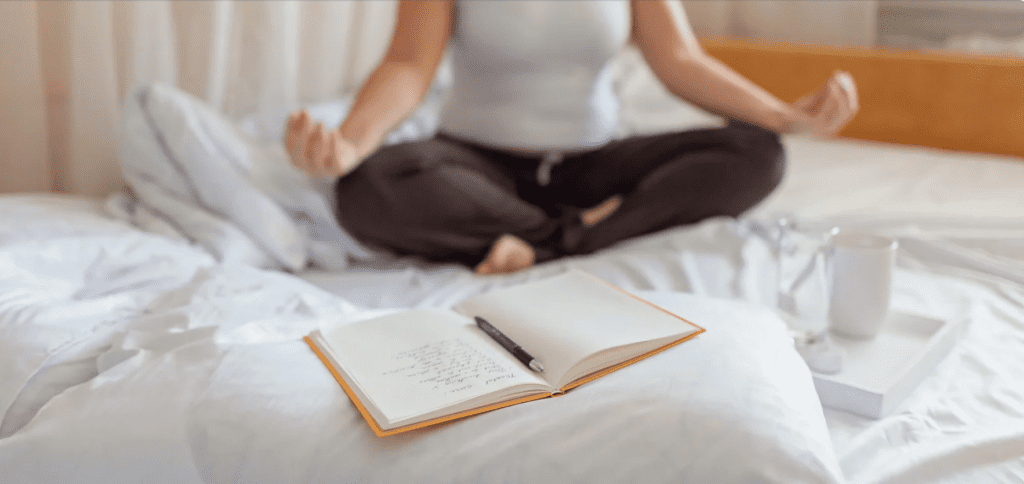
Closing the day mindfully helps release accumulated stress. Even 30 seconds signals closure. This habit became a lifeline for me during particularly overwhelming parenting seasons.
How to practice:
- Ask: “What does my body need right now?”
- Take one slow breath
- Offer yourself kindness
For busy parents: This can be done after bedtime.
For working adults: Use it to mentally transition out of work mode.
For parents of dysregulated children: Self-compassion supports resilience.
Why Micro Mindfulness Works
Micro mindfulness habits are effective because they align with how the nervous system actually works. Small, consistent moments of regulation build emotional resilience over time.
Rather than waiting for calm, these habits help create it—moment by moment.
Final Thoughts
Mindfulness doesn’t have to look perfect to be powerful. Especially for busy parents, working adults, and families navigating emotional intensity, micro mindfulness offers a realistic path to greater calm and connection.
Start with one habit. Let it be imperfect. And remember: even the smallest moments of presence matter.
Check out these other related articles and resources to help you on your mindful and sustainable journey:

Hi, I’m Christine — a nature-loving mom on a journey to live more sustainably and mindfully.
Through the ups and downs of parenting, I’ve found peace in mindfulness, meditation, and conscious living. Now, I share simple tips for mindful parenting, sustainable choices, and creating a sense of calm in everyday family life.
No responses yet