Mindful frugal living, sustainable money-saving tips, eco-friendly ways to save money

From Overwhelm to Intentional Living
A few years ago, I realized I was constantly buying “little things” like new reusable cups, pretty storage baskets, and eco-friendly cleaners that promised to simplify my life. My intentions were good. I wanted to live sustainably and mindfully, but somehow, I was spending more and feeling less content.
The truth was, I had slipped into a pattern of trying to “buy my way” into mindful living. I thought the right products would make me feel calmer, greener, and more organized. Instead, my cabinets were overflowing and my bank account was strained.
That’s when I discovered mindful frugality, a way of slowing down, simplifying, and spending in alignment with what truly matters. It’s not about depriving yourself. It’s about living well with less waste, less stress, and more awareness.
In this post, I’ll share how mindfulness, simplicity, and sustainability can naturally lead to financial peace, along with real examples of how you can save hundreds each year while caring for the planet.
Mindful Spending: Becoming Aware of What You Buy and Why
Most of us spend money on autopilot. We click “add to cart” when we’re stressed, bored, or seeking comfort. Mindful spending invites us to pause before purchasing and ask,
“Do I need this, or am I looking for comfort or distraction?”
When we pause long enough to notice why we’re buying, something shifts. The urge to accumulate fades, and the satisfaction of intentional choices grows stronger.
🌼 Try the “Mindful Pause” Practice
Before every non-essential purchase this week, take ten slow breaths and ask yourself:
- Do I already own something that could serve the same purpose?
- Will this item genuinely add value to my life next month, or is it a momentary want?
To be honest, I have what I call “buyer’s remorse” but it’s before I even buy anything. When I put items in my cart, I usually think if I really need this item, and take some time to think more about it before purchasing. Over time, it has saved me thousands.

The Cost of Impulse Buying
Here’s what it might look like for the average person:
| Spending Category | Average Monthly Cost | Potential Savings with Mindful Pause |
|---|---|---|
| Impulse clothing or home buys | $120 | $60 |
| Takeout “because I’m tired” | $80 | $40 |
| Small retail therapy purchases | $100 | $50 |
| Estimated Annual Savings | ~$1,800/year |
This isn’t about strict budgeting. It’s about awareness. Mindful spending saves money because it helps you choose what truly matters.
🪴 Try my free 5-Minute Daily Mindfulness Guide to help build this awareness.
🌎 Check out Mindful.org’s guide on mindful consumption.

The Joy of Simple Living: Minimalism and Mindfulness in Everyday Life
When I first heard the word minimalism, I imagined stark white walls and empty rooms, not exactly family-friendly. But I discovered that mindful simplicity isn’t about owning nothing. It’s about valuing what truly serves you and letting go of what doesn’t.
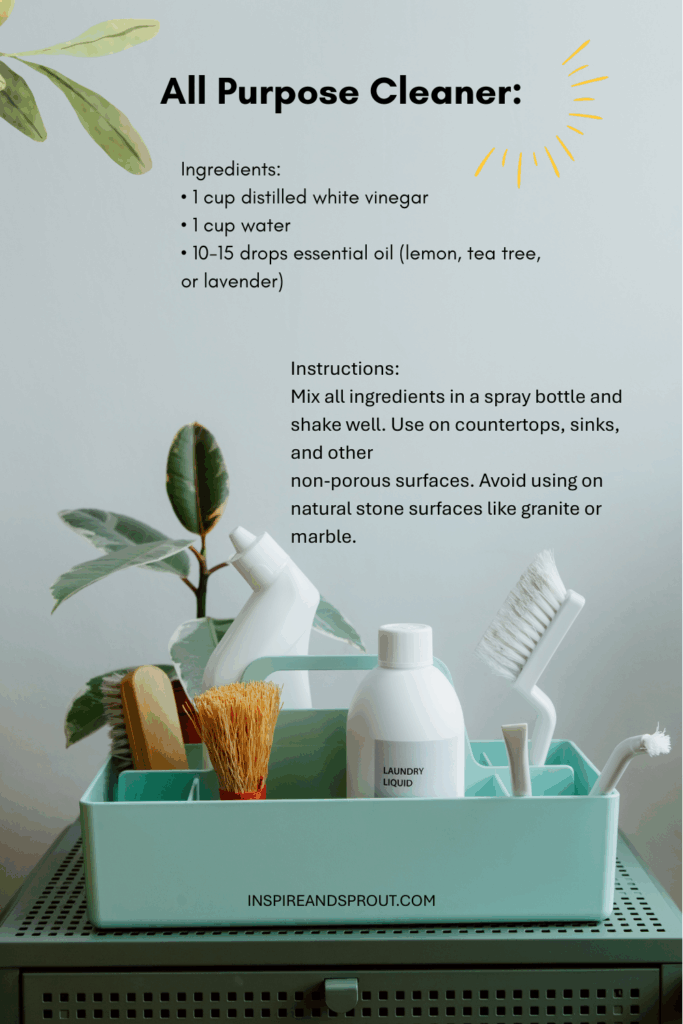
Decluttering helped me realize how often I was buying duplicates. I had three “eco-friendly” sprays under my sink, each claiming to be the best. When I finally used them up and made my own with vinegar, water, and essential oils, I felt lighter, and my home smelled like lemons, not chemicals.
✨ Simplicity = Savings
| Product or Habit | Conventional Cost | Mindful Alternative | Monthly Savings |
|---|---|---|---|
| Pre-packaged snacks | $60 | Bulk DIY snacks | $40 |
| Store-bought cleaners | $20 | Homemade cleaner | $15 |
| Impulse home décor | $50 | Thrifted or none | $50 |
| Takeout meals (2x/week) | $100 | Batch cooking | $70 |
| Total Potential Savings | $175/month (~$2,100/year) |
Simplicity is good for your wallet and your well-being. When your home feels lighter and your routines are more intentional, you naturally feel calmer and more in control.
🌿 Check out my Eco-Friendly Family Living Guide for homemade cleaning recipes, shopping guides, and easy swaps for every room.
🌎 Try Becoming Minimalist for inspiration on intentional living.
The True Cost of Convenience: Mindful Choices That Cut Waste and Save Cash
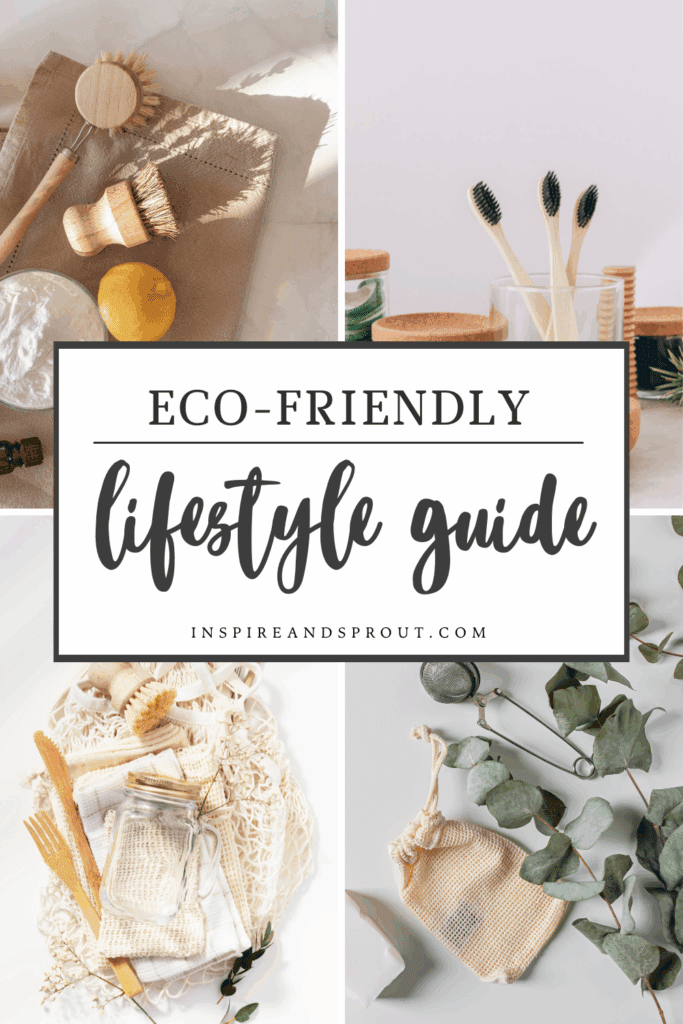
Modern life teaches us that convenience equals happiness. But most “time-saving” products like single-use plastics, pre-cut foods, and fast fashion come with long-term costs, both financial and environmental.
Mindful living challenges that idea. It asks, what if slowing down actually saves us more?
| Item | Annual Cost (Disposable) | Annual Cost (Reusable or DIY) | Yearly Savings | Environmental Impact |
|---|---|---|---|---|
| Paper towels | $100 | Cloth towels ($20 once) | $80 | 3,000 sheets saved |
| Bottled water | $260 | Filter + reusable bottle ($40) | $220 | 400 bottles avoided |
| Pre-cut produce | $300 | Whole produce | $200 | Less plastic waste |
| Cleaning wipes | $60 | Washable rags | $45 | 600 wipes avoided |
That’s nearly $545 saved each year, simply by replacing a few “convenient” habits with mindful ones.
When I ran out of paper towels one week, I used an old cloth instead. It worked better, and I never went back. Two years later, I have them piled up next to my paper towels to remind me to use them, and my trash bin is half as full.
🪴 Want a quick checklist? Try my Easy Eco-Friendly Living Checklist.
🌎 Want more? Check out Earth911’s sustainable living tips.
Mindful Abundance: Feeling Rich Without Buying More
Here’s the paradox, when you slow down, buy less, and simplify, you often feel richer than ever before.
Mindful abundance is about recognizing that enough is already here in your relationships, your routines, your home, and your breath.
When I stopped chasing the next “perfect” thing, I found deep contentment in what I already owned. My mornings became simpler, just a cup of coffee, sunlight, and five quiet minutes before my daughter woke up. That felt more luxurious than any purchase could.
💫 Mindful Practice
Write down three things you already own that make your life easier or more joyful. Maybe it’s your favorite mug, a cozy blanket, or a simple routine that grounds you. Reflect on how each one already brings you abundance.
When we practice gratitude, the desire to consume fades, and both our wallets and the planet benefit.
🪴 Check out our resources page to help you on your mindful and sustainable journey.
🌎 Another great resource is Greater Good Science Center’s research on gratitude.

Live Well, Spend Less, and Create More Meaning
Mindful frugality isn’t about restriction. It’s about alignment, the sweet spot where sustainability, simplicity, and self-awareness meet. When you buy less, you appreciate more. When you pause, you gain perspective. And when you live intentionally, saving money becomes a side effect of peace.
Start small. Choose one mindful swap this week, or pause before your next purchase. Notice how it feels. Each mindful choice adds up, not just in your budget, but in your sense of freedom.
Keep the Momentum
Want more gentle inspiration on sustainable and mindful living?
Join my weekly newsletter and get:
- 🌱 A free Eco-Friendly Family Living Checklist
- 🧘♀️ A 5-Minute Mindfulness Guide for Busy Parents
- ✨ A monthly mindful-living calendar
Check out these other related resources to help you on your mindful and sustainable journey:

Hi, I’m Christine — a nature-loving mom on a journey to live more sustainably and mindfully.
Through the ups and downs of parenting, I’ve found peace in mindfulness, meditation, and conscious living. Now, I share simple tips for mindful parenting, sustainable choices, and creating a sense of calm in everyday family life.
No responses yet