Parenting is full of big emotions—ours and our children’s. Some days feel smooth and connected, and other days it feels like we’re constantly navigating meltdowns, rushing to get out the door, or trying to redirect an overstimulated child. While we may want to respond calmly, it’s not always easy to model the behavior we expect from our kids.
Mindfulness for kids bridges that gap. It gives children tools to slow down, check in with their bodies, name what they’re feeling, and regulate their emotions, even when things feel overwhelming.
And that’s exactly why I created the Mindful Moments Card Deck for Kids: a simple, playful resource that helps parents and kids practice emotional awareness and calming strategies together.
💛 Why Teach Mindfulness to Kids?
Mindfulness helps children learn to:
- Notice their feelings without judgment
- Pause before reacting
- Understand what their bodies need (rest, movement, comfort)
- Build social and emotional resilience
- Navigate stress before it becomes meltdown-level big
When kids practice mindfulness regularly, they begin to trust their emotions instead of being controlled by them. That’s a life skill that supports them well beyond childhood.
And there’s an added bonus:
When we slow down with them, we become calmer, more present parents too.
👶 Who Benefits from Mindful Moments Cards?
These cards were designed for:
- Toddlers learning simple emotional vocabulary and breathing play
- Preschoolers & Kindergarteners practicing emotional regulation
- Elementary-age children building independence and coping tools
- Parents, caregivers, teachers, and therapists seeking playful support during transitions, overstimulation, or emotional overwhelm
Whether your child struggles with anxiety, sensory overwhelm, tantrums, anger, or needs more help winding down, these cards provide concrete, kid-friendly strategies they can actually use.
🪴 When Can You Use the Card Deck?
Think of these cards as your calm-down toolkit for everyday life. Use them during:
💢 Tantrums or meltdowns
😣 Overstimulation (before bed or after school)
🚗 Car rides or waiting rooms
🎒 Transitions (morning routine, cleanup, bedtime)
🌧️ Rainy days indoors
📚 Classrooms or homeschool spaces
🧠 Therapy or counseling sessions
😴 Wind-down routines before naps or bedtime
You can even choose a card proactively to prevent overwhelm—like a morning grounding routine or a quick breathing break after school.
🌱 How to Introduce Mindfulness to Kids
You don’t need a deep meditation practice or a perfect personality to start. Kids learn mindfulness through modeling and repetition, not perfection.
Here’s how to start:
- Show, don’t lecture. Do the activity with them.
- Keep sessions short (one to four minutes is plenty).
- Make it playful, not serious. Think imagination, movement, and sensory fun.
- Practice during calm moments first, so tools feel familiar during big emotions.
- Use daily routines as natural teaching moments.
Kids learn mindfulness the same way they learn brushing teeth—through repetition, support, and modeling.
🔁 How to Use the Cards Consistently
Many mindfulness tools fail simply because families don’t know when to use them. Here are easy rhythm ideas:
- Pick one card each morning and place it where your child can see it
- Do one grounding card before mealtimes
- Use a breathing card before school drop-off
- Choose a relaxation card during bedtime routines
- Keep 2–3 cards in the car for stressful waits or overstimulation
- Hang your child’s favorite card on the fridge or bedroom wall
- Let your child “lead” the family in a card of their choice
Consistency doesn’t require perfection. It just means bringing mindfulness into everyday life.
🌿 The Four Categories of Mindful Moments Cards (and How They Help)
Your deck includes four unique categories, each designed to support a different type of emotional and sensory need.
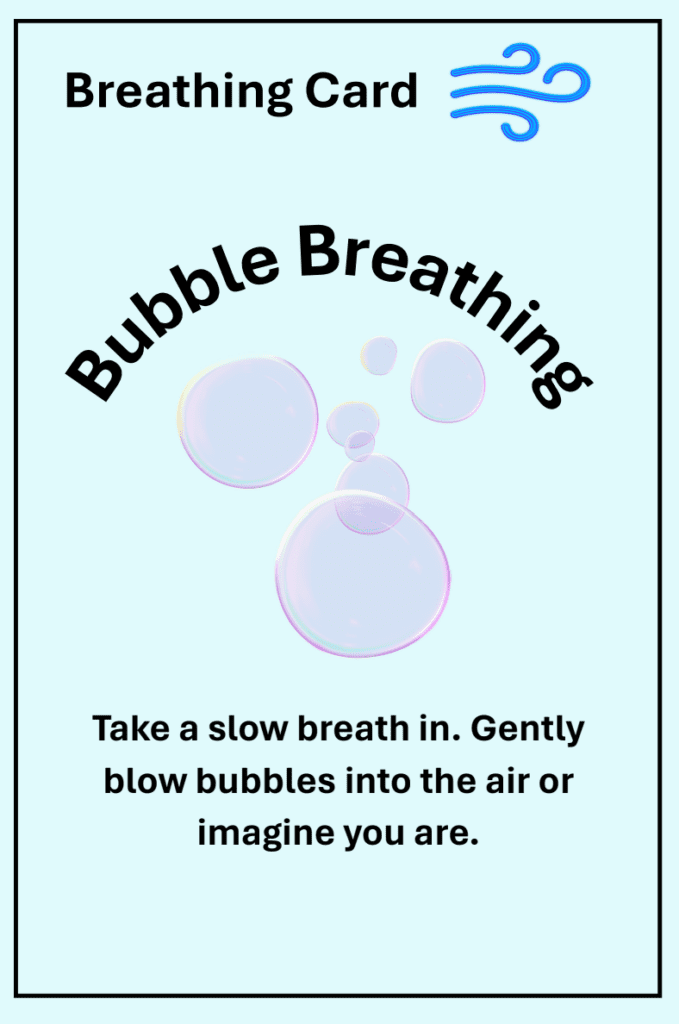
🌬️ 1. Breathing Cards
Best for: emotional overwhelm, anxiety, bedtime trouble, tantrums, hyperactivity
Kids cannot think clearly when their nervous system is in stress mode. Breathing activates their calming system and helps the brain return to a place where learning and listening are possible.
These cards turn breathing into play. Some examples include:
- “Rainbow breathing” breaths
- “Smell the flower, blow out the candle”
- “Belly balloon” for belly breathing
They teach children that they can use their breath as a tool. That’s powerful.
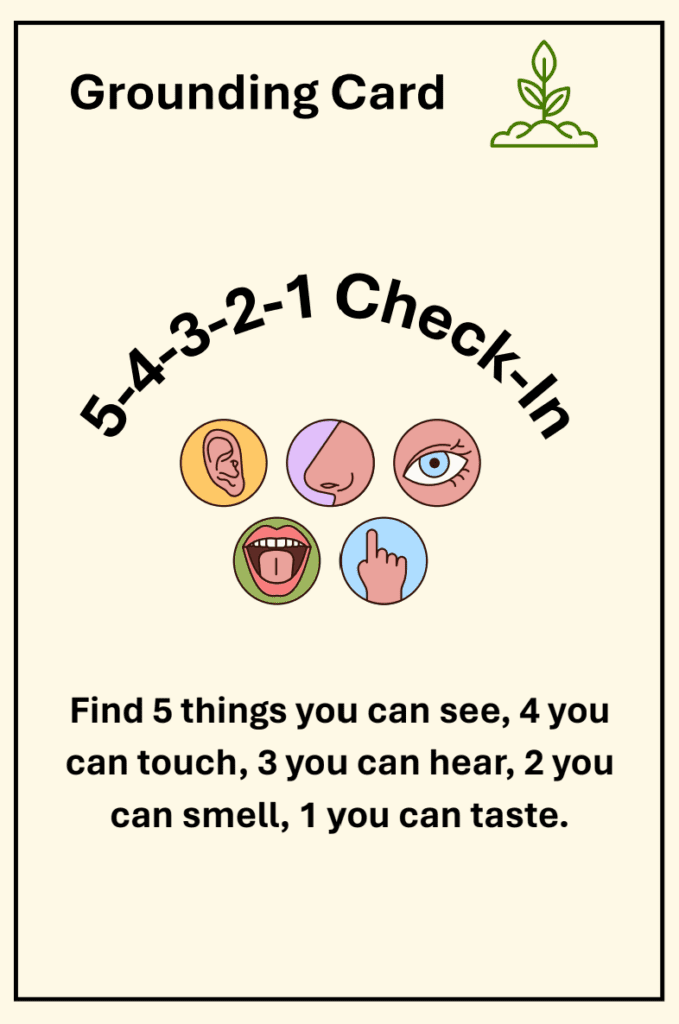
🪨 2. Grounding Cards
Best for: sensory overload, transitions, high energy, overstimulation, anxiety
When a child feels overwhelmed, grounding practices help them return to the present through their senses. These activities help children tune into:
👁 sight
👃 smell
✋ touch
👂 sound
👅 taste
Examples might include:
- “Color Hunt”
- “Find something smooth, bumpy, soft, etc.”
- “Listen for three quiet sounds”
Grounding teaches kids how to stay connected to their bodies even when their thoughts feel big or loud.
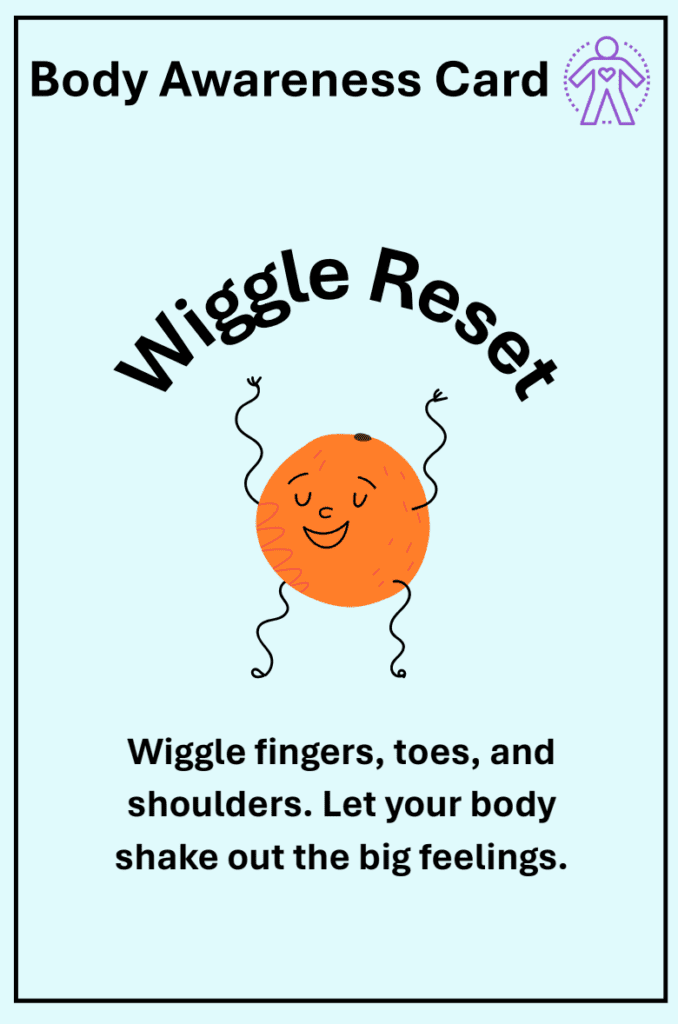
🤸 3. Body Awareness Cards
Best for: kids who struggle with impulse control, sensory needs, energy spikes, or frustration
Body awareness helps children recognize:
- When they need to wiggle
- When they feel tense
- What movement helps them feel better
- How to release energy in safe ways
Activities might include:
- “Stretch like a cat”
- “Butterfly hug”
- “Tense and release”
Instead of telling a child to “calm down,” you give them tools that actually help the body get there.
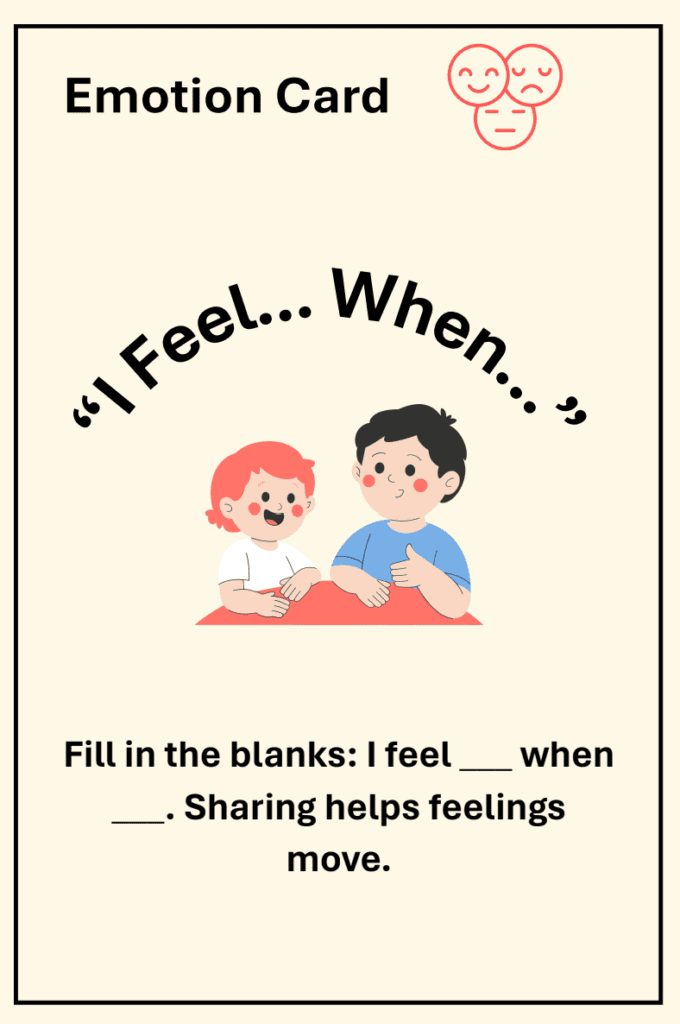
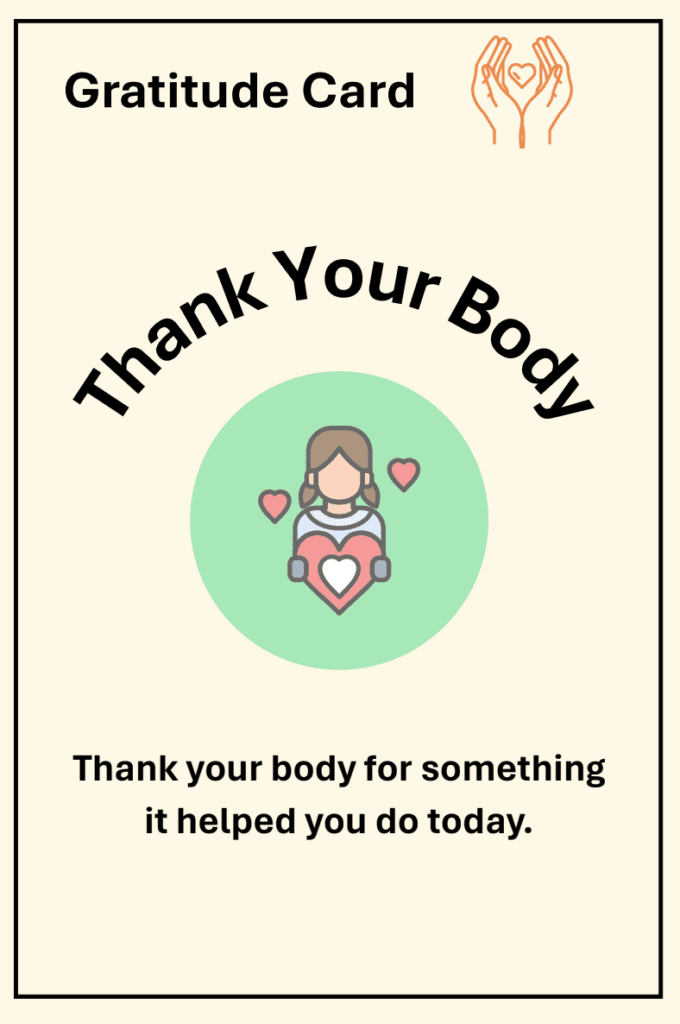
😊 4. Emotion & Gratitude Cards
Best for: building emotional vocabulary, empathy, family connection, confidence
These cards help children:
- Name emotions in their body
- Identify needs behind feelings
- Express gratitude and joy
- Reflect and communicate feelings safely
Some prompts may guide them to:
- Where do you feel the emotion in your body?
- Pick a color that matches your mood
- Say one thing that made you smile today
- Think of a happy memory
Gratitude builds resilience and optimism, but for kids, it must feel simple and sincere.
🌼 Final Thoughts: Mindful Parenting Is Not Perfection
Mindfulness doesn’t eliminate big feelings. It helps children understand them, stay curious about them, and navigate them with increasing confidence.
Over time, you’ll notice:
🌟 fewer full-power meltdowns
🌟 more awareness before escalation
🌟 more emotional vocabulary
🌟 more empathy within the family
🌟 more confidence and calm—both for your child and you
With the Mindful Moments Card Deck for Kids, you’re not purchasing flashcards—
You’re building a lifelong foundation for emotional wellbeing.
✨ Want to Add This Tool to Your Home?
You can get the Mindful Moments Card Deck for Kids here.
It’s easy to use, beautifully designed, and created with sustainable, mindful families in mind. Perfect for holiday gifts and for calmer days ahead.
Check out these related articles and resources to help you on your mindful and sustainable journey:

Hi, I’m Christine — a nature-loving mom on a journey to live more sustainably and mindfully.
Through the ups and downs of parenting, I’ve found peace in mindfulness, meditation, and conscious living. Now, I share simple tips for mindful parenting, sustainable choices, and creating a sense of calm in everyday family life.
No responses yet