
How Much Puree Does Each Fruit & Vegetable Make?
Ever wonder how many servings you’ll actually get from a single sweet potato?
When I first started making homemade baby food purees for my daughter, I was shocked by how inconsistent my batches were. Some days, sweet potatoes seemed to last forever. Other days, I was scraping the bottom of the container after just two meals.
If you’ve ever overproduced baby food and then felt guilty tossing leftovers, or under-prepared and found yourself rushing to make more at bedtime (yep, been there too!), then portion planning is your new best friend.
Not only does knowing how much puree each fruit or veggie yields save you time, but it also prevents food waste — something that’s good for your wallet, your sanity, and the planet.
Check out my full puree yield chart below with 11 common fruits and veggies – plus the puree age chart!

When to Start Offering Purees
Every baby is unique, and while most pediatricians recommend introducing solids around 6 months (when little ones can sit with support and show interest in food), the timeline can look a bit different for each family. Always check in with your pediatrician before starting.
For many, purees are a gentle first step before moving on to mashed textures or finger foods. Baby-Led Weaning (BLW) is also very popular, and plenty of families jump right into it. Personally, I found that starting with purees — and then slowly blending in safe BLW foods — worked best for us.
We began solids around 5 months, and my baby just wasn’t quite coordinated enough for BLW at that stage. Purees gave her the practice she needed with swallowing and exploring new flavors. By the time she got the hang of holding food and bringing it confidently to her mouth, we were able to add more whole foods to her diet, creating a balance that felt right for both of us.
Tips for Safe Puree Prep
Preparing homemade baby food can feel overwhelming at first, but keeping safety and simplicity in mind makes the process much easier. These tips will help you create nourishing, gentle foods while keeping your little one safe and supported in exploring new flavors:
- Wash thoroughly: Always wash produce well, even if you plan to peel it, to remove dirt and any lingering pesticides.
- Peel and prep: Remove skins, seeds, and pits before blending to avoid choking hazards and make purees smoother.
- Cook until soft: Hard vegetables like carrots, squash, and sweet potatoes should be cooked until they’re soft enough to mash with a fork—this ensures easy digestion and a smooth texture for your baby.
- Introduce foods gradually: Offer one new food at a time and wait 2–3 days before trying another. This allows you to monitor for any signs of allergies or sensitivities.
The most important part isn’t perfection—it’s creating a calm, loving mealtime routine that helps your baby explore new flavors at their own pace.

Eco-Friendly Puree Making
Making homemade baby food isn’t just good for your little one — it’s also an opportunity to care for the planet. Baby food packaging, especially single-use pouches and plastic containers, creates a surprising amount of waste. By choosing more sustainable habits in your puree prep, you can cut down on packaging, save money, and model eco-conscious living for your child right from the start.
Here are a few simple swaps that make a big difference:
- Buy seasonal produce (check out my Seasonal Produce Guide).
- Use reusable baby food pouches instead of disposable ones (check out my sustainable pouches/containers post for ideas).
- Freeze in silicone trays instead of single-use plastics.
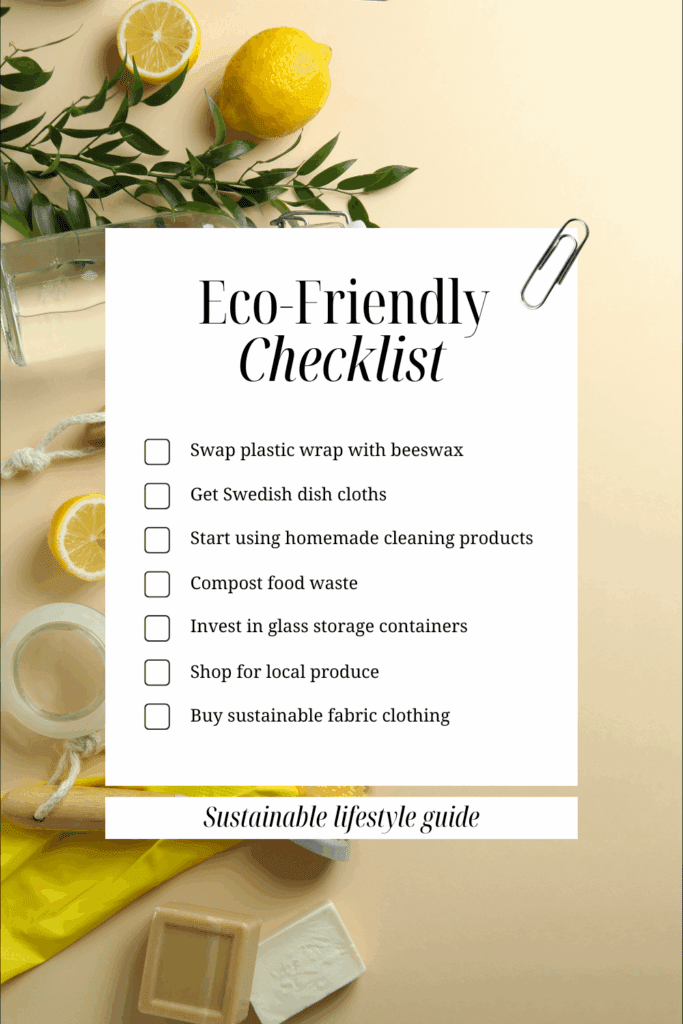
- Compost fruit and veggie scraps — or save them to make homemade veggie broth for the family (use my Eco-Friendly Family Starter Kit to get started).
💰 Bonus: The savings add up fast! Store-bought pouches typically cost between $1.50–$2.50 each. If your baby eats just one pouch a day, that’s around $45–$75 a month. Making purees at home can cost as little as $0.25–$0.50 per serving, especially when you use seasonal produce. Pair that with reusable storage options, and you’ll save hundreds of dollars a year — all while reducing waste.
Homemade vs. Store-Bought Baby Food: Cost Savings
| Type | Average Cost Per Serving | Monthly Cost (1 serving/day) | Yearly Cost | Notes |
| Store-Bought Pouch | $1.50–$2.50 | $45–$75 | $540–$900 | Lots of packaging waste; convenient but pricey. |
| Homemade Puree (seasonal produce) | $0.25–$0.50 | $7.50–$15 | $90–$180 | Lower cost, fresher ingredients, more control. |
| Homemade w/ Reusable Pouches | Same as above + small upfront investment (~$15–$25 for a set) | Minimal after purchase | Still $90–$180 | Reusable for months or years; cuts single-use waste entirely. |
✨ Savings: Making purees at home can save $450–$700 per year compared to store-bought pouches — and that’s just one serving per day! Many babies eat multiple servings daily, so the savings multiply.
Making baby food at home is one of the simplest ways to live sustainably as a parent — fewer pouches, less packaging, and more connection to what your baby eats.
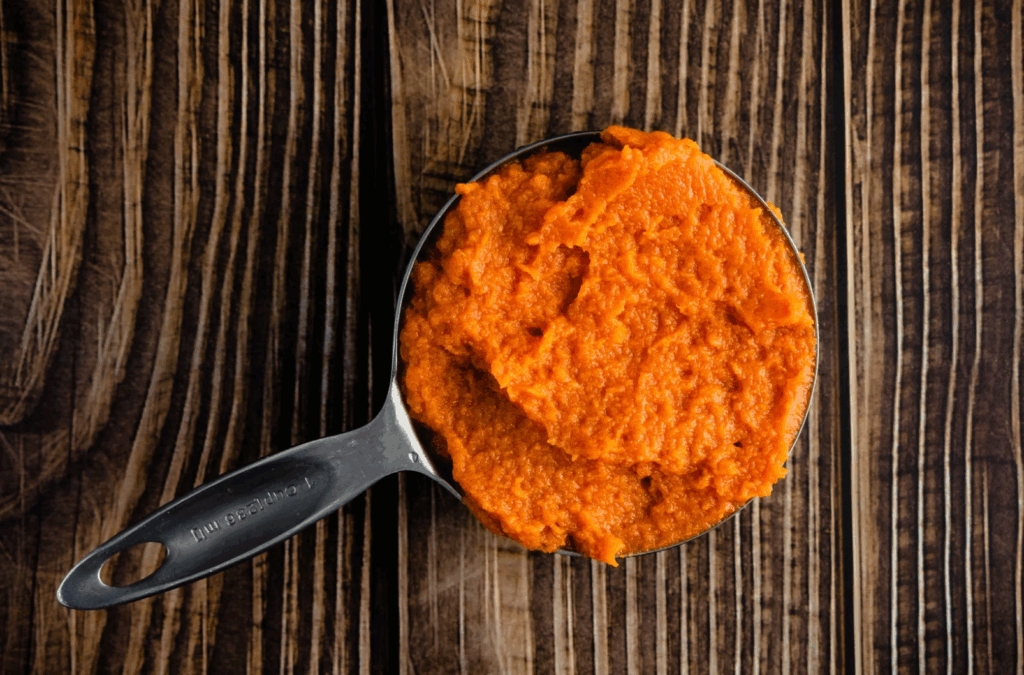
Puree Yield Chart: Fruits & Vegetables for Baby Food
Below you’ll find an easy-reference chart with some of the most popular baby food fruits and veggies. These yields are approximate (since produce sizes vary), but they’ll give you a solid baseline to plan how much to make.
| Food | Prep Method | Approx. Yield | Notes & Tips |
| Sweet Potato | Bake, peel, blend w/ water | 1 medium = ~¾ cup puree | Great for freezing in cubes. Add breast milk/formula to thin if needed. |
| Banana | Peel & mash | 1 banana = ~½ cup puree | Best served fresh — turns brown quickly. |
| Carrots | Steam until soft, blend | 1 cup chopped = ~½ cup puree | Naturally sweet. Add water/breast milk for smoother texture. |
| Apple | Peel, core, steam & blend | 1 medium = ~½ cup puree | Store-bought applesauce is similar, but homemade keeps more nutrients. |
| Pear | Peel, core, steam & blend | 1 medium = ~½ cup puree | Mild flavor; pairs well with spinach or oatmeal. |
| Avocado | Peel & mash | 1 avocado = ~¾ cup puree | Serve fresh; doesn’t freeze well. |
| Peas | Steam, blend, strain | 1 cup peas = ~½ cup puree | Strain for younger babies to remove skins. |
| Butternut Squash | Roast, peel, blend | 1 medium = ~2 cups puree | Freezes beautifully; one of my freezer staples. |
| Blueberries | Steam/boil, blend, strain | 1 cup berries = ~½ cup puree | Strain for smoother texture; great mixed with banana. |
| Zucchini | Steam, blend | 1 medium = ~½ cup puree | Naturally watery, so use less liquid when blending. |
| Green Beans | Steam, blend, strain | 1 cup beans = ~½ cup puree | Freezing works well; strain for very young babies. |
👉 Tip: Always adjust puree thickness by adding a little water, breast milk, or formula until it’s the right consistency for your baby’s age and stage.
Portion Sizes by Age
It’s so easy to overthink how much your baby should be eating. The truth is, babies are usually great at self-regulating. For example, my little one has always been on the smaller side and never ate quite as much as the charts and recommendations suggested.
If I could go back and tell myself one thing as a new parent, it would be this: stress less and trust that your baby knows what she needs. Easier said than done, right?
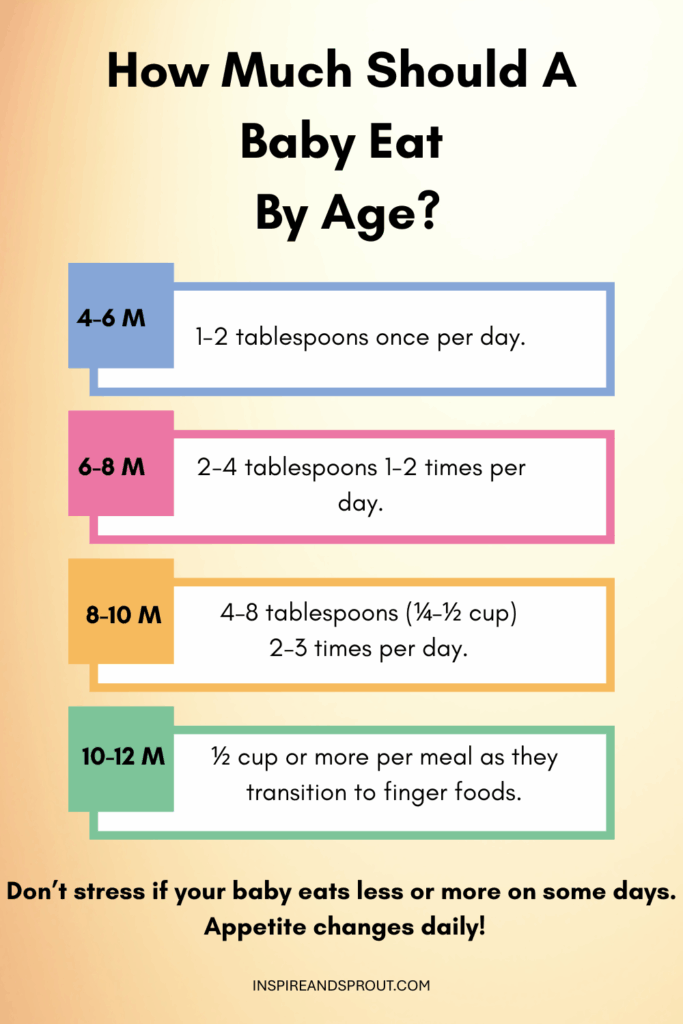
That said, it can be helpful to have some general guidelines as a starting point:
- 4–6 months: 1–2 tablespoons once per day.
- 6–8 months: 2–4 tablespoons 1–2 times per day.
- 8–10 months: 4–8 tablespoons (¼–½ cup) 2–3 times per day.
- 10–12 months: ½ cup or more per meal as they transition to finger foods.
👉 Don’t stress if your baby eats less or more on some days. Appetite changes daily!
How to Combine Flavors for Variety
Once your baby has tried single-ingredient purees, you can mix and match flavors for more nutrition and taste adventure. Some favorite combos:
- Apple + Carrot – naturally sweet and full of fiber.
- Pea + Pear – balances earthy and sweet.
- Banana + Blueberry – a classic antioxidant-rich blend.
- Sweet Potato + Avocado – creamy and filling.
Personal note: My daughter adored the apple-carrot combo — she’d literally squeal when she saw the orange bowl come out of the fridge!
Storing Baby Food Purees: Tips That Work
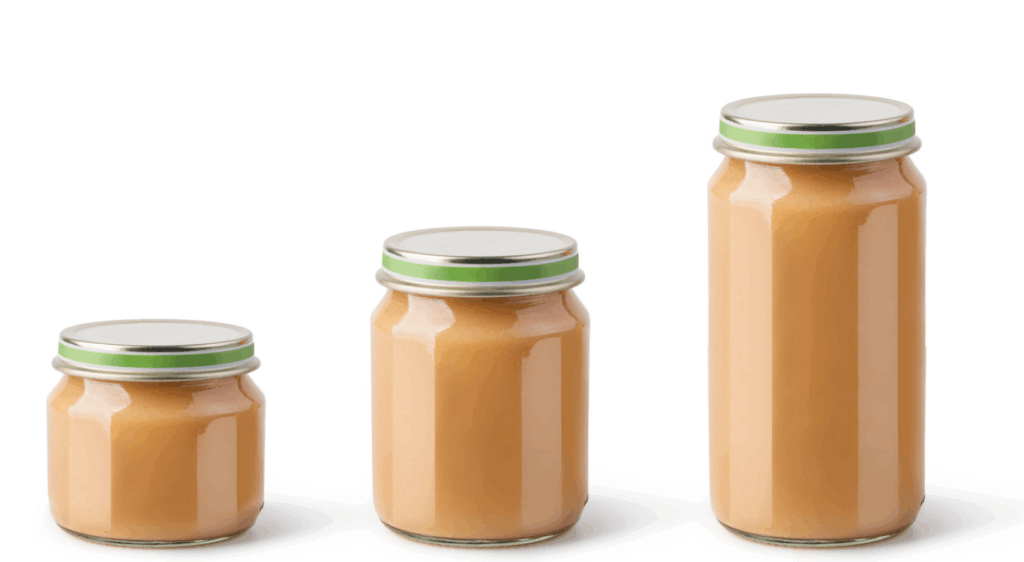
- Fridge Storage: Most purees last up to 3 days in an airtight container.
- Freezer Storage: Spoon puree into ice cube trays or silicone baby food molds. Once frozen, transfer cubes into a labeled, freezer-safe containers. They last up to 3 months.
- Avocado & Banana: Best made fresh — they don’t freeze well and lose texture quickly.
- Thawing: Always thaw in the fridge overnight or use a warm water bath. Never microwave directly (can create hot spots).
Why Not to Overproduce Baby Purees
I’ll admit — when I first starting making baby purees at home, I went overboard. I made a mountain of sweet potato puree, froze half, and then forgot it was in the freezer. By the time I remembered, my baby had moved on to chunkier foods, and I ended up tossing it out.
That’s why it’s better to make smaller, manageable batches. Babies eat in stages — and their tastes change quickly. One week they’re obsessed with apple puree, the next they spit it out and only want banana.
“Make enough to last 2–3 days, freeze the rest in small portions, and let your baby guide the demand.”
This way, you won’t waste food, and you’ll save precious freezer space.
Want more Eco-Friendly Tips for the whole family? Try my Eco-Friendly Family Starter Kit.
Common Mistakes to Avoid (and Why They’re Totally Normal)
When you’re just starting out with homemade baby food, it’s easy to feel like you’re “doing it wrong.” The truth? Most of us make little mistakes along the way — I definitely did! Here are a few common ones to look out for, plus some reassurance that you’re not alone.
1. Making too much too soon
Babies grow fast, and their preferences change even faster. Smaller batches mean less waste and fresher food.
2. Forgetting to label freezer containers
Trust me, mystery orange cubes are not fun when you’re trying to guess whether it’s carrot, sweet potato, or butternut squash. A quick label with the food and date saves so much confusion.
3. Not straining skins for early eaters
Foods like peas, green beans, and berries can leave tiny bits of skin that are tricky for younger babies to swallow. A quick strain can make the puree smoother and easier for little ones just starting solids.
4. Skipping variety
Babies benefit from trying a wide range of flavors and textures, which can help reduce picky eating down the road. But here’s the spoiler: even if you offer tons of variety, many toddlers still go through a picky phase (my daughter is currently in one)! Keep offering different foods, and don’t stress if they reject them sometimes.
5. Stressing over “the perfect amount”
Some days your baby may gobble up half a cup, and the next day just take a bite or two. Appetite naturally fluctuates, and babies are surprisingly good at knowing what they need. Your job is to offer healthy options — let them decide how much to eat.
Remember, there’s no such thing as perfect baby food prep — what matters most is the connection you share with your little one and the consistency of your care.
Final Thoughts
Making purees at home doesn’t just nourish your baby — it’s an opportunity to slow down, bond, and even involve older kids in the kitchen. My toddler loves helping me “squish” bananas for her pancakes (recipe in this post). It’s messy, but it’s also a memory in the making.
Bookmark this chart for easy reference — and if you want more tips, check out my post on Reducing Food Waste When Making Baby Food.
Your baby — and the planet — will thank you. 💛
Check out these other articles and resources to continue on your mindful and sustainable journey:
Eco-Friendly Family Starter Kit

Hi, I’m Christine — a nature-loving mom on a journey to live more sustainably and mindfully.
Through the ups and downs of parenting, I’ve found peace in mindfulness, meditation, and conscious living. Now, I share simple tips for mindful parenting, sustainable choices, and creating a sense of calm in everyday family life.
2 Responses
Your writing style is so engaging and easy to read It makes it a pleasure to read your blog and I always look forward to your new posts
[…] 💡 Solution: When making your own baby food, you can customize portions and freeze extras in small, reusable containers. (Check out my portioning guide in The Ultimate Guide to Baby Food Purees: Yields, Prep Tips, and Safe Homemade Recipes.) […]