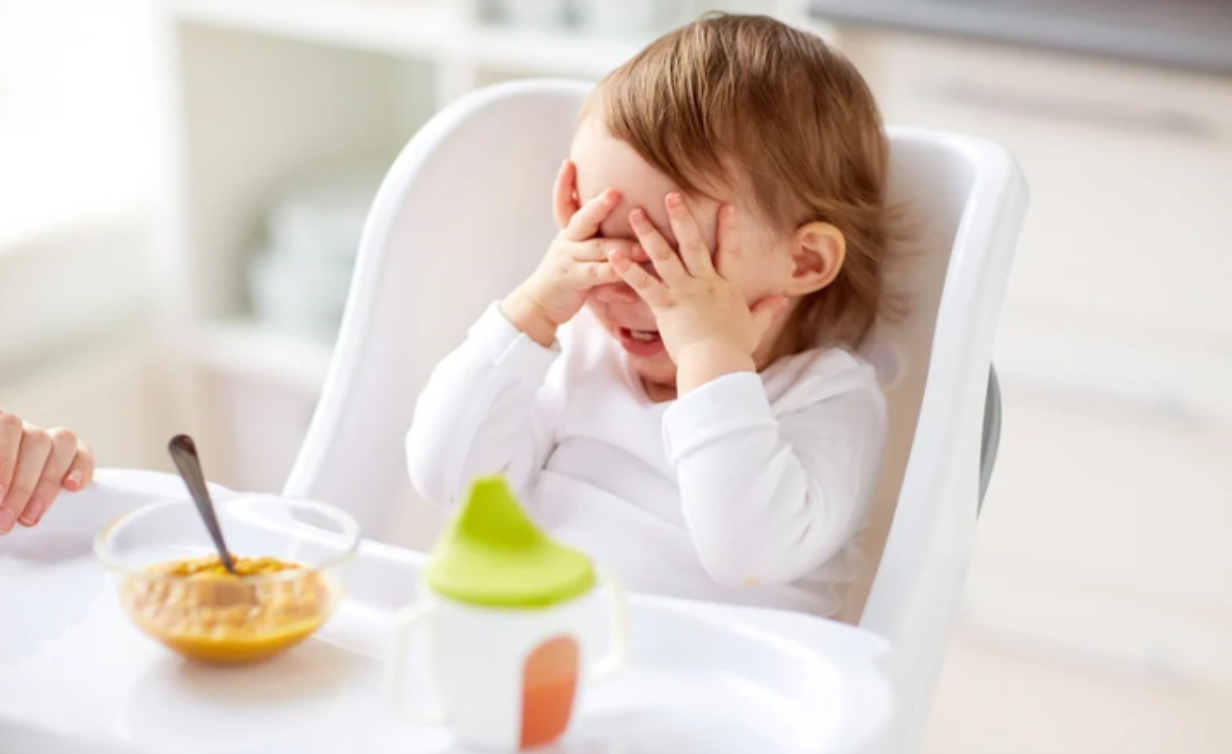
Just like the toddler in this photo, this is exactly how I felt when I first faced the reality of being a parent in today’s world—one filled with trying to avoid heavy metals and microplastics, and countless decisions that could impact my child’s future. The overwhelm hit hard. How was I supposed to navigate feeding my baby when I was constantly hearing about hidden dangers in everyday foods? It felt like I had to “know it all” to protect my little one.
Heavy metals like lead, arsenic, cadmium, and mercury, along with microplastics, are pervasive environmental contaminants that can infiltrate our food supply. For infants and young children, whose bodies and brains are still developing, exposure to these substances can pose significant health risks. It’s crucial to be informed about these dangers and take proactive steps to minimize exposure.
But here’s the good news—you don’t have to know everything, and you don’t have to feel paralyzed by fear. A few simple shifts in knowledge and habits can make all the difference in reducing your baby’s exposure to harmful substances.
So, go ahead and pat yourself on the back for:
- Caring about the quality of the food you’re giving your family.
- Educating yourself to make better choices.
- Taking steps to minimize exposure and create a safer environment for your child.
Let’s break it down together so you can feel confident in feeding your little one while making smart, sustainable choices.
Understanding Heavy Metals in Baby Food
You might be wondering, How are heavy metals getting into our food in the first place? Unfortunately, it’s not as simple as food manufacturers just adding them in (thankfully!). There are multiple ways heavy metals end up in our food supply, including:
- Natural Sources – Some heavy metals, like arsenic, lead, and cadmium, naturally exist in soil and water. As plants grow, they absorb these elements.
- Industrial Pollution – Factories and industrial waste release heavy metals into the air, water, and soil, which then get into crops and food products.
- Agricultural Practices – Pesticides, fertilizers, and irrigation methods can contribute to heavy metal contamination.
- Food Processing & Packaging – Metals can leach from processing equipment, pipes, and even food packaging into the final product.
So, what does this mean for baby food? Certain foods are naturally higher in heavy metals due to how they’re grown and processed. While they aren’t inherently “bad,” offering them in moderation and alongside a variety of other foods is key.
Foods That Naturally Contain Higher Levels of Heavy Metals
Heavy Metals can enter baby food through contaminated soil, water, or during food processing. Rice, sweet potatoes, and carrots are particularly susceptible due to their ability to absorb metals from the environment.
- Rice-Based Products (cereals, puffs, and teething biscuits) – Rice absorbs arsenic from water and soil at higher rates than other grains.
- Root Vegetables (carrots, sweet potatoes, radishes) – These vegetables pull lead, arsenic, and cadmium from the soil more readily than other plants.
- Fruit Juices (especially grape and apple juice) – These juices can contain elevated levels of heavy metals compared to other fruits.
There’s No Need to Panic! If you’ve been feeding your baby these foods, don’t stress. The key is minimizing long-term, repeated exposure rather than completely eliminating them. Making gradual changes can significantly reduce risk over time. (Check out my guide on Healthy Baby and Toddler Snacks.)
Practical Tips to Reduce Heavy Metal Exposure
Here are some easy swaps to help lower your baby’s exposure to heavy metals while still offering a well-rounded, nutritious diet:
✅ Choose organic when possible – While organic food doesn’t eliminate heavy metals entirely, it does reduce pesticide exposure, which can contribute to contamination.
✅ Prioritize whole foods over processed snacks – Many packaged baby snacks contain rice-based ingredients, which tend to have higher heavy metal levels.
✅ Diversify Diet – Rotate between different fruits, vegetables, and grains to prevent consistent exposure to any single contaminant.
✅ Opt for alternative grains – Instead of rice cereal, try oats, quinoa, barley, or millet. These grains have lower arsenic levels.
✅ Offer root vegetables in moderation – Sweet potatoes and carrots are packed with nutrients but should be rotated with other veggies.
✅ Limit fruit juice consumption – Whole fruits are a much better alternative to fruit juice, which can contain unnecessary sugars and higher heavy metal levels. Even adopting just one or two of these changes can make a meaningful impact in reducing your baby’s overall exposure. Small changes add up over time!
Microplastics & How to Avoid Them
While heavy metals are concerning, another issue is becoming more widely recognized—microplastics. Studies show that babies who are bottle-fed may ingest millions of microplastic particles daily.
Microplastics: Tiny plastic particles can leach into food from packaging materials, especially when exposed to heat or used for extended periods. Common sources include plastic containers, teething toys, and certain food wraps.
Microplastics come from:
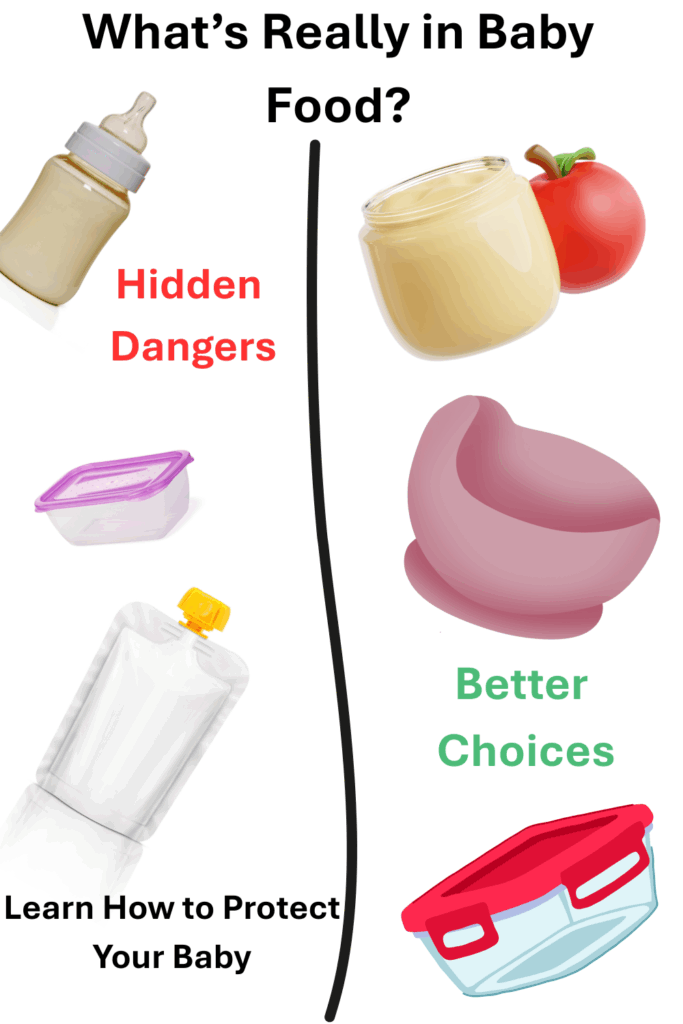
- Plastic baby bottles & breast milk storage bags – Heat exposure can cause these plastics to break down, releasing particles into milk and formula.
- Food packaging & storage containers – Plastic pouches, takeout containers, and even some food processing equipment contribute to plastic contamination.
- Microwaving plastic containers – Heating plastic releases microplastics directly into food.
How to Minimize Exposure to Microplastics
- Use glass or stainless steel bottles instead of plastic.
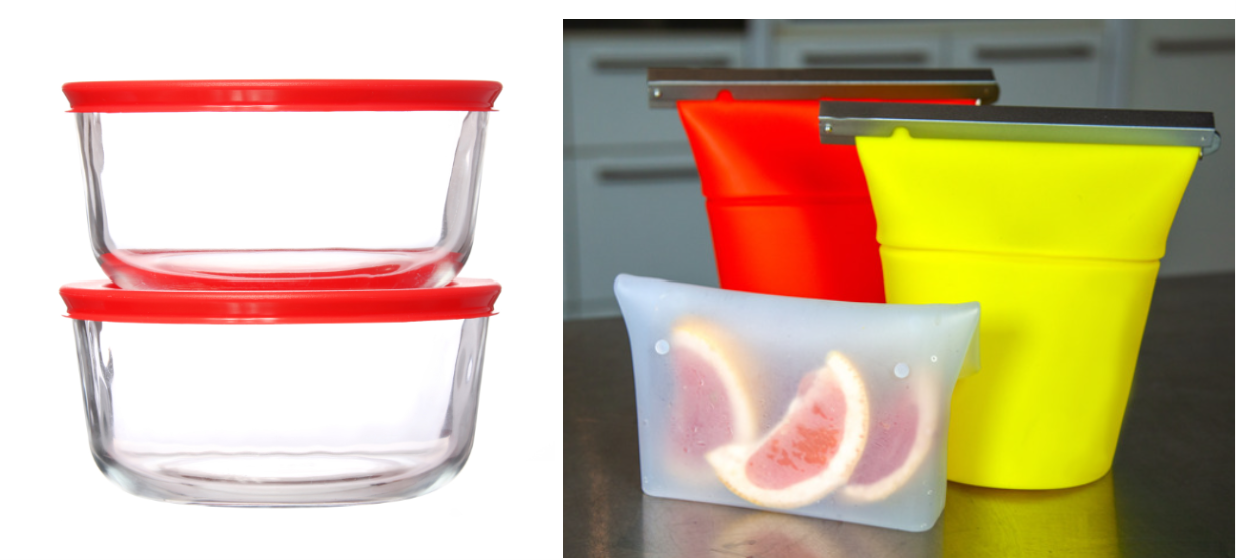
- Choose glass or silicone food storage containers over plastic.
- Never microwave plastic containers – Transfer food to glass or ceramic before heating.
- Minimize plastic pouches – While convenient, opt for reusable silicone pouches or make homemade baby food when possible.
- Look for BPA-free and phthalate-free products – While this doesn’t eliminate all risks, it reduces exposure to harmful chemicals.
- Filter Water – Use a high-quality water filter to reduce potential contaminants in drinking water
Although more research is needed to understand the long-term effects of microplastic ingestion, it’s always best to err on the side of caution by choosing safer alternatives whenever possible. For safer food storage options, check out my guide on Sustainable Pouches and Freezer-Friendly Containers.
Sustainable & Safer Feeding Practices
In addition to choosing safer foods, making mindful swaps in food storage and preparation can further reduce exposure to heavy metals and microplastics. Small changes in the materials we use every day can have a meaningful impact on your child’s health—and on the environment. Here are some eco-friendly and health-conscious options to consider:
Glass – Non-reactive, heat-resistant, and easy to clean. Glass jars and containers are perfect for storing purees, freezing portions, and reheating food without leaching chemicals. Bonus: clear glass makes it easy to see how much food is left.
Stainless Steel – Durable, long-lasting, and ideal for both storage containers and drinking cups. Stainless steel bottles and snack tins are lightweight for travel and keep liquids and foods fresh without introducing harmful substances.
Food-Grade Silicone – Flexible, durable, and versatile, silicone is perfect for freezer storage, reusable pouches, baking mats, and even utensils. Silicone is gentle on teeth and safe for repeated use in hot and cold applications.
💡 Tips for mindful swaps:
- Start with a few key items—like baby bottles, plates, and spoons—before gradually replacing other plastic items.
- Repurpose existing glass containers from your kitchen instead of buying new ones to reduce waste.
- When using silicone pouches for purees, freeze individual portions for easy grab-and-go snacks.
- Avoid products labeled “BPA-free” plastics only—opting for glass, stainless steel, or silicone is safer in the long term.
While plastics are undeniably convenient, even switching just a few essential items to safer materials can make a lasting difference. I started by buying a couple of glass bottles and swapping all plastic plates and utensils to silicone. We already had some glass food storage containers, so we made a conscious effort to use those more often, especially for meals prepared for my little one. Over time, these small swaps became second nature—and they gave me peace of mind knowing our family’s food environment was safer and more sustainable.
Selecting Safe Baby Food Brands
When choosing store-bought baby food, look for brands that conduct independent testing for contaminants. Certifications like Clean Label Project and USDA Organic can provide additional assurance.
Recommended Brands:
- Once Upon a Farm: Known for organic ingredients and transparency in sourcing.
- Cerebelly: Offers nutrient-dense meals with a focus on brain development.
- Little Spoon: Provides fresh, organic baby food with a commitment to quality.
Check out my post on How to Find Healthy Baby and Toddler Snacks with No Added Sugar (+ Sustainable Containers/Pouches)
Homemade Baby Food: A Safer Alternative
Preparing baby food at home allows you to control the ingredients and minimize exposure to contaminants. Use organic produce when possible, and avoid adding salt or sugar. Ensure all utensils and storage containers are free from BPA and other harmful chemicals.
Check out my post on homemade baby food in the Ultimate Guide to Eco-Friendly Baby Meal Prep (Sustainable & Easy!)

Other Eco-Friendly Kitchen Swaps for Toddlers
Beyond bottles, plates, and utensils, there are several small but impactful swaps you can make in your toddler’s kitchen to reduce exposure to plastics and heavy metals while supporting sustainability:
Reusable Snack Bags – Instead of single-use plastic bags, opt for silicone or cloth snack pouches. They’re easy to wash, durable, and perfect for on-the-go snacks.
Bamboo or Wooden Utensils – Gentle on little mouths, lightweight, and biodegradable. Look for food-safe, sustainably sourced options.
Glass or Stainless Steel Cups – Transition from sippy cups to stainless steel or glass cups with silicone lids. They’re durable, non-toxic, and often keep drinks at the right temperature longer.
Beeswax Wraps – A great alternative to cling film for storing sandwiches, cut fruit, or covering bowls. These wraps are washable, reusable, and compostable at the end of their life.
Silicone Baking Mats or Steamers – Instead of disposable parchment or plastic steaming bags, use silicone mats and steamers to prepare healthy snacks and meals safely.
💡 Quick tip: Start with one or two swaps at a time to make the transition manageable. Over weeks, these small changes add up to a safer, more eco-friendly kitchen for your toddler—and a more mindful approach to food storage and preparation.
By making these mindful swaps, you’re not just choosing safer materials—you’re actively reducing your toddler’s exposure to heavy metals and microplastics. Even small changes, like switching to glass jars, stainless steel cups, or reusable snack pouches, can limit contact with potentially harmful substances found in many conventional plastics. Over time, these swaps create a healthier food environment for your child while also supporting a more sustainable lifestyle. Pairing thoughtful food choices with safer storage and preparation practices gives you peace of mind, knowing you’re protecting both your little one and the planet.
Final Thoughts: Progress, Not Perfection
Avoiding heavy metals and microplastics in baby food isn’t about being perfect—it’s about making informed choices that reduce overall exposure.
Remember:
✔ Small changes add up over time
✔ Variety is key—a diverse diet helps limit overexposure
✔ Safer feeding practices can reduce unnecessary plastic exposure
As parents, we can’t control everything. But we can make educated decisions that set our children up for a healthier future. You’re already doing an amazing job by being aware and proactive. Keep going—your baby (and the planet) will thank you for it!
📩 Join our Community! Stay Connected with mindful living and sustainability by signing up for our newsletter. Each month, we send out a free eco-friendly and mindful calendar with easy, actionable prompts to help you live more consciously and sustainably. Plus, get access to other helpful tips, updates, and resources!
Check out these other articles and resources to continue on your mindful and sustainable journey:


Hi, I’m Christine — a nature-loving mom on a journey to live more sustainably and mindfully.
Through the ups and downs of parenting, I’ve found peace in mindfulness, meditation, and conscious living. Now, I share simple tips for mindful parenting, sustainable choices, and creating a sense of calm in everyday family life.
3 Responses
[…] Avoiding Heavy Metals & Microplastics in Baby Food […]
[…] How to Reduce Waste with Homemade Baby FoodThe Ultimate Guide to Baby Food Purees: Yields, Prep Tips, and Safe Homemade Recipes🌱 Easy Mindful & Sustainable Activities for Babies, Toddlers, and Kids Using Recyclables15 Easy Sustainable Swaps for ParentsHow to Avoid Heavy Metals & Microplastics in Baby Food […]
[…] How to Avoid Heavy Metals & Microplastics in Baby FoodGuided Mindfulness Activities for Parents & Kids: Simple, Sustainable Ways to Bring Calm Into Everyday LifeUltimate Guide to Eco-Friendly Baby Meal Prep (Sustainable & Easy!) […]