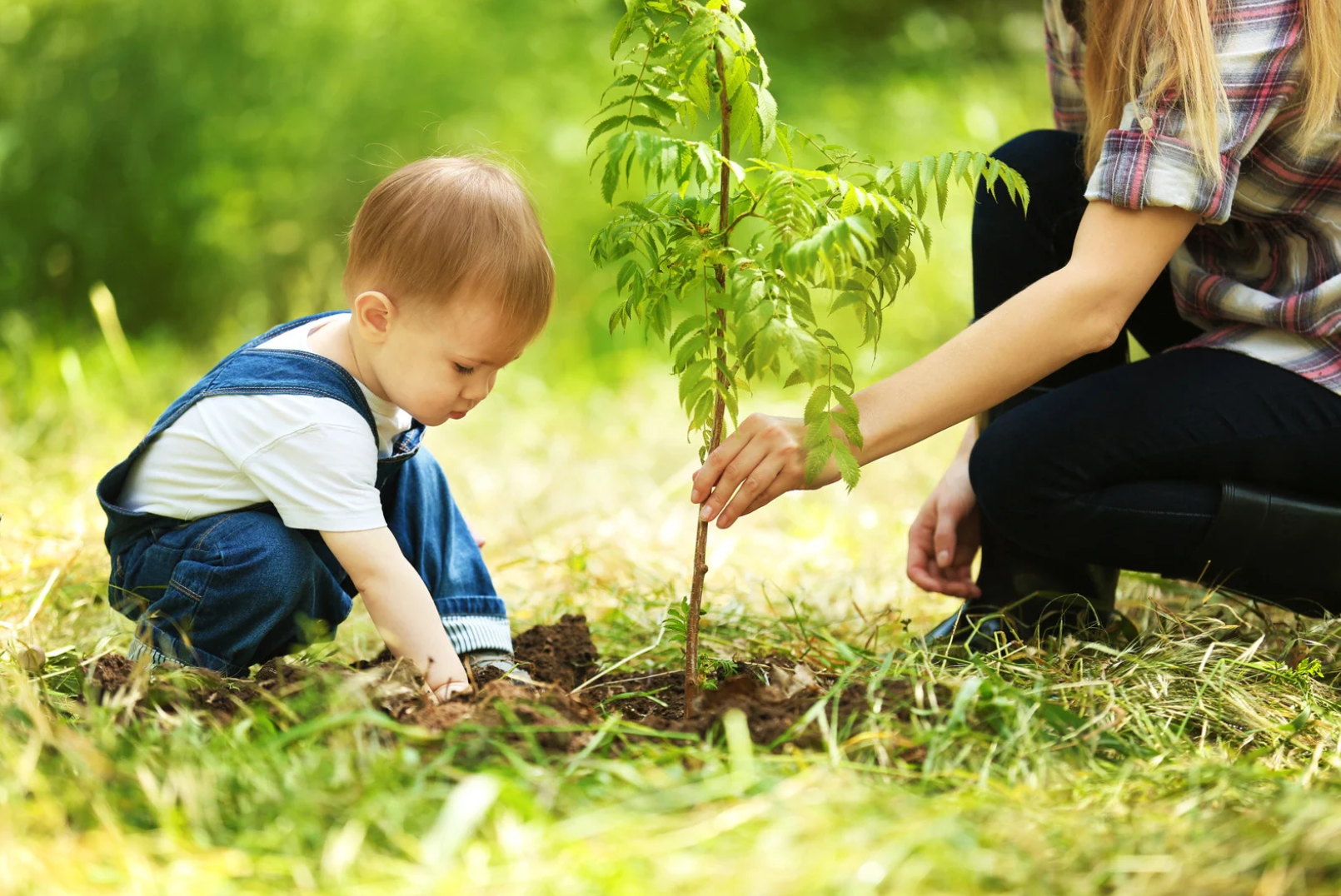
Did you know you can grow some of the best first foods for your baby right in your backyard—or even in containers on your patio or windowsill? Growing baby food at home not only ensures you know exactly what’s going into your little one’s meals, but it also makes the experience fun and meaningful. You’ll enjoy fresher flavors, no harmful pesticides, and cost savings over time. Plus, your baby or toddler gets to see (and taste!) food straight from the garden, which can spark curiosity and joy around healthy eating.
In my own garden, I’ve seen this magic firsthand. My daughter loves walking out to our mulberry tree when it’s in bloom and picking the fruit herself. She’s also delighted in grabbing fresh strawberries, blueberries, and raspberries right off the plant. While my broccoli attempt was a flop, we’ve had much better luck with potatoes. It’s been a journey of learning, but one that’s brought us closer together and taught her where food really comes from.
If you’re ready to give it a try, here are some beginner-friendly foods you can grow for your baby and toddler—plus tips for planting, harvesting, and even turning them into tasty purees and meals.
Why Gardening with Kids Is Worth It
Gardening with kids isn’t just about growing vegetables—it’s about growing connection. When little hands dig in the soil, water plants, or pick ripe cherry tomatoes, they’re learning patience, responsibility, and respect for nature. Research shows that children who help grow food are more likely to taste it, leading to less picky eating and a greater openness to healthy vegetables.
It also doubles as a calming, sensory activity. The textures of soil, the smell of fresh herbs, and the excitement of seeing sprouts appear make gardening with kids a mindful, screen-free way to spend time together. For busy parents, it’s a gentle reminder to slow down, step outside, and enjoy simple family moments that also nurture healthy habits.
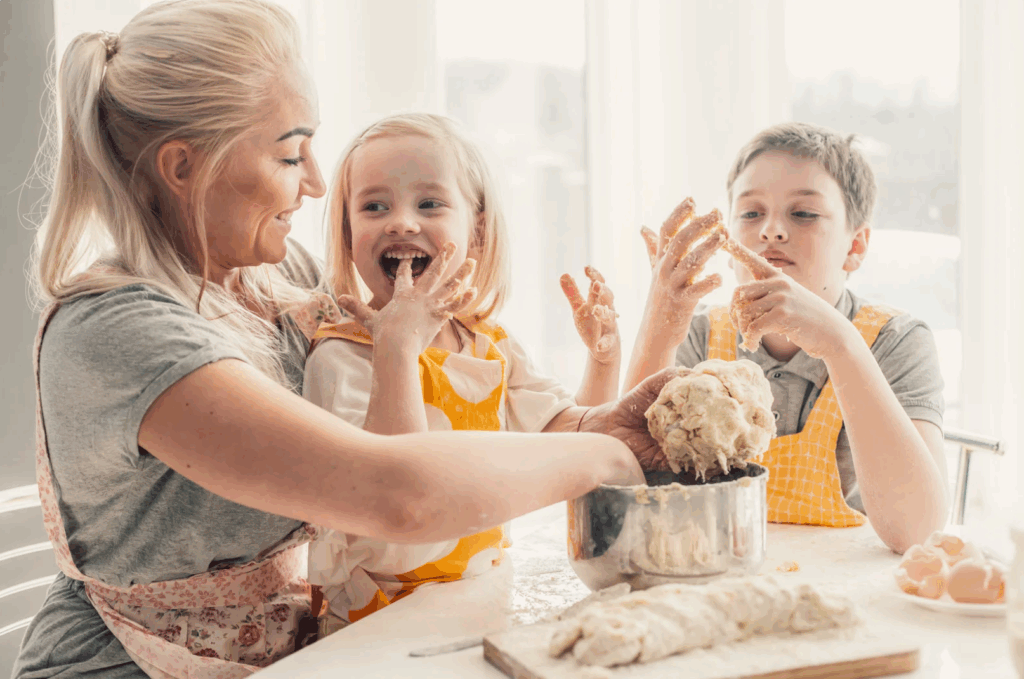
Batch Cooking & Sustainability: A Parent’s Best Friend
One of the biggest challenges for parents is making sure healthy meals are ready when time is short. Gardening naturally supports batch cooking—you often harvest a lot of one vegetable at once. Turning that bumper crop into freezer-friendly meals saves money, reduces food waste, and makes weeknight dinners so much easier.
For example:
- Zucchini: Shred and freeze in 1-cup portions for muffins, pancakes, or stir-fries.
- Carrots: Steam and blend into a smooth puree for toddlers, or dice and freeze for soups.
- Tomatoes: Roast and freeze as a base for sauces and stews.
The eco-friendly tie-in? You’re cutting down on packaging waste from store-bought frozen veggies and reducing the carbon footprint tied to transportation. Plus, when you cook in batches, you’re using less energy overall. Mindful meal prep + eco-friendly living = a win-win.
Check out my Farmers’ Market Seasonal Shopping Guide to know when each of these fruits and veggies are in season for better quality and an even better eco-friendly option!
Eco-Friendly Tools & Supplies for Family Gardening
Starting a garden doesn’t mean you need to buy lots of plastic pots or disposable tools. Eco-conscious swaps can make your gardening setup both planet-friendly and safe for curious toddlers.
- Biodegradable seed trays: Start seeds in trays made from recycled paper or coconut coir that can be planted straight into the soil.
- Compostable pots: Perfect for little hands—toddlers can plop the whole pot in the ground without damaging delicate roots.
- Repurposed containers: Yogurt cups, egg cartons, and glass jars make great starter vessels. Reuse what you already have before buying new.
- Child-sized wooden tools: Safer and longer-lasting than plastic versions.
Choosing these small swaps teaches kids from the beginning that caring for the earth is just as important as caring for their food.
Check out the Rodale Institute’s resources on organic gardening and eco-friendly soil health.
Eco-Friendly Fertilizer & Pest Control
Many parents worry about the safety of chemicals in gardening products—and for good reason. Toddlers love to explore with their hands and mouths, so keeping your garden non-toxic is essential. Luckily, eco-friendly fertilizer and pest control options are simple and effective.
- Fertilizers: Use compost, worm castings, or homemade banana peel tea to naturally boost soil nutrients. These options enrich your soil without introducing harmful chemicals.
- Pest control: Instead of harsh sprays, try planting companion plants (like marigolds to deter pests near tomatoes) or using neem oil and soapy water sprays.
- Physical barriers: Netting or row covers can protect plants without altering their natural environment.
These methods not only keep your produce safe for toddlers but also protect pollinators, soil health, and local ecosystems.
👉Check out the EPA Safe Gardening Practices for more insights!
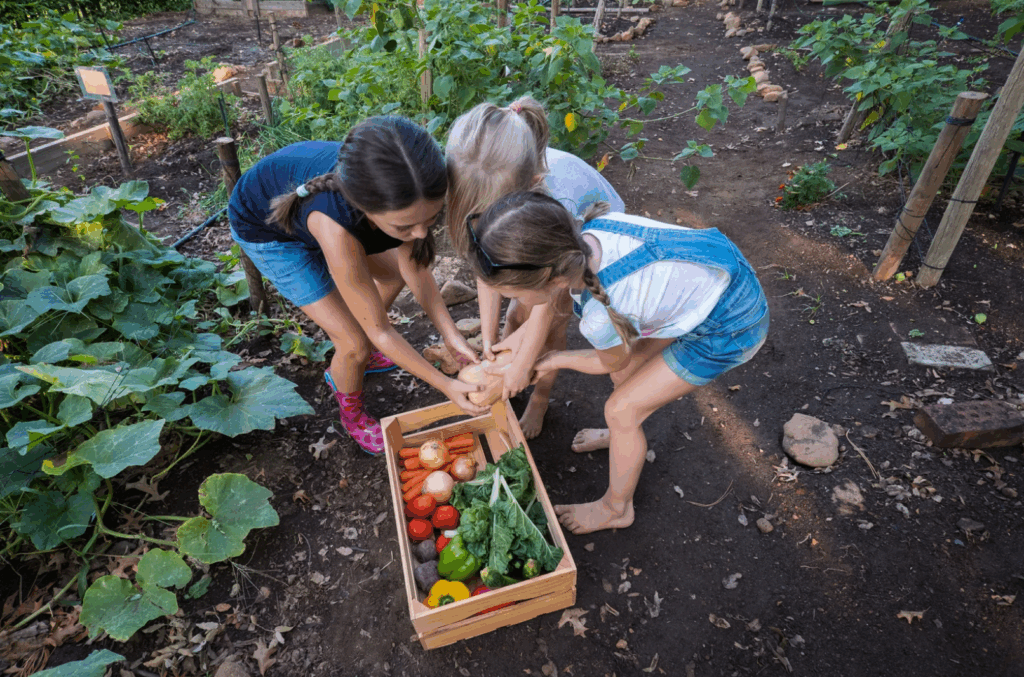
Easy Homegrown Foods for Babies & Toddlers with Recipes
1. Sweet Potatoes
- How to Grow: Plant slips (not seeds) after the last frost, once soil has warmed. They thrive in loose, sandy soil and full sun.
- Time to Harvest: About 90–120 days.
- Harvesting: Gently dig up when leaves start to yellow. Cure in a warm, dry place for 1–2 weeks to sweeten.
- Baby & Toddler Recipes: Roast and mash for a simple puree. For toddlers, cube and roast with cinnamon for a soft finger food.
2. Carrots
- How to Grow: Sow seeds directly outdoors in early spring or late summer. Carrots need loose, well-drained soil to grow straight.
- Time to Harvest: 60–80 days.
- Harvesting: Tug gently when tops are thick and orange is visible at the crown.
- Baby & Toddler Recipes: Steam and puree for babies. For toddlers, roast carrot sticks with olive oil for a naturally sweet snack.
3. Peas
- How to Grow: Plant seeds in early spring (as soon as the soil is workable). They love cool weather.
- Time to Harvest: 60–70 days.
- Harvesting: Pick pods when they’re plump but still tender. The more you pick, the more they produce.
- Baby & Toddler Recipes: Steam and puree peas for a bright green puree. For toddlers, serve lightly steamed peas as finger food.
4. Leafy Greens (Spinach & Kale)
- How to Grow: Sow seeds directly in early spring or fall. They do best in cooler weather with rich, moist soil.
- Time to Harvest: 30–60 days, depending on the variety.
- Harvesting: Pick outer leaves as the plant grows.
- Baby & Toddler Recipes: Steam and blend into a puree or mix into sweet potato or carrot puree for babies. For toddlers, blend into smoothies or chop into pasta dishes.
5. Zucchini
- How to Grow: Sow seeds directly outdoors after the last frost in well-drained soil and full sun. One plant can yield a lot!
- Time to Harvest: 50–60 days.
- Harvesting: Pick when zucchinis are 6–8 inches long for best flavor and texture.
- Baby & Toddler Recipes: Steam and puree for babies. For toddlers, try zucchini muffins or zucchini noodles.
🥒 Toddler-Friendly Zucchini Muffins (No Added Sugar)
Makes ~12 mini muffins
Ingredients:
- 1 cup grated zucchini (squeeze out extra water with a towel)
- 1 cup whole wheat flour (or half oat flour, half whole wheat)
- 1 tsp baking powder
- ½ tsp baking soda
- ½ tsp cinnamon
- 1 ripe banana (mashed – natural sweetness)
- 1 large egg (or flax egg)
- 3 tbsp unsweetened applesauce
- 2 tbsp olive oil or melted coconut oil
- 1 tsp vanilla extract
Instructions:
- Preheat oven to 350°F (175°C). Line a mini muffin tin with liners or grease lightly.
- In one bowl, mix dry ingredients: flour, baking powder, baking soda, cinnamon.
- In another bowl, whisk wet ingredients: banana, egg, applesauce, oil, vanilla.
- Stir zucchini into wet mixture.
- Add dry ingredients to wet, stir until just combined (don’t overmix).
- Spoon into muffin tin and bake 12–15 minutes (mini) or 20–22 minutes (regular muffins).
- Cool before serving.
💡 Storage: Keep in fridge up to 4 days or freeze for 2 months.
6. Berries (Strawberries & Blueberries)
- How to Grow Strawberries: Plant bare-root crowns or starter plants in early spring. They prefer slightly acidic, well-drained soil and full sun.
- Time to Harvest: First real harvest comes the second year, though some varieties give berries the first year.
- How to Grow Blueberries: Plant young bushes in spring in acidic soil (pH 4.5–5.5). They’ll need full sun and a few years to establish.
- Time to Harvest: Typically year 2–3 for blueberries.
- Harvesting: Pick when fully colored and easy to detach.
- Baby & Toddler Recipes: For babies, mash ripe berries into yogurt or blend into a smooth puree. For toddlers, serve whole (halved for safety) or frozen as a cooling summer snack.
7. Potatoes
- How to Grow: Plant seed potatoes (cut sections with at least one “eye”) in early spring in loose, well-drained soil. Hill soil around plants as they grow.
- Time to Harvest: 70–120 days, depending on the variety.
- Harvesting: Dig gently once plants flower and leaves begin to yellow.
- Baby & Toddler Recipes: Mash with a little breast milk or formula for a creamy baby puree. For toddlers, roast potato cubes or make potato pancakes.
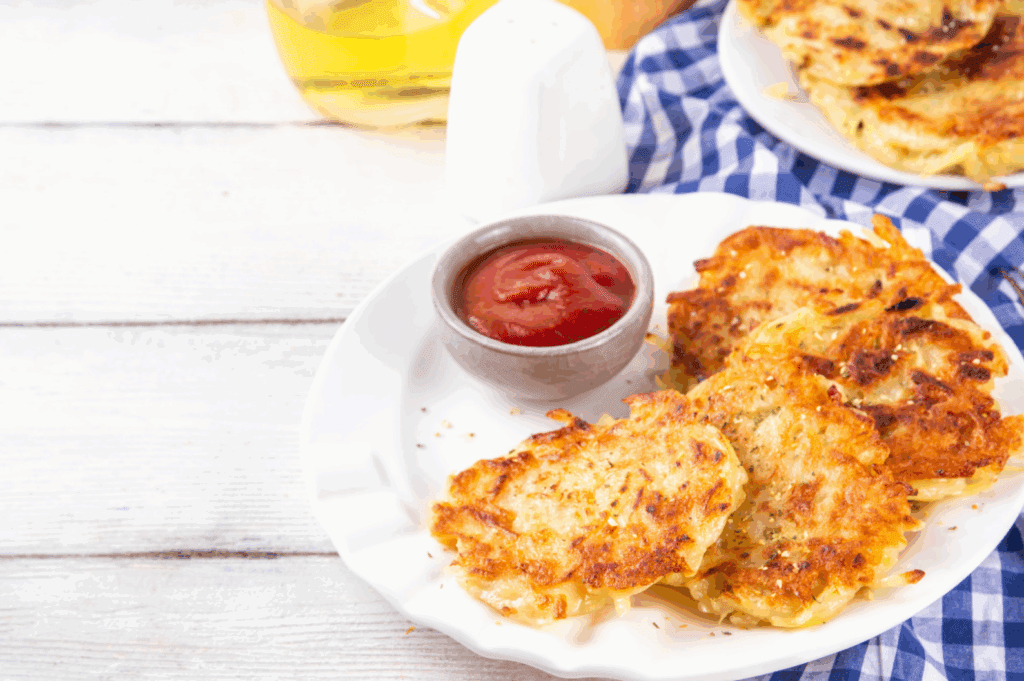
🥔 Toddler-Friendly Potato Pancakes (No Added Sugar)
Makes ~6 small pancakes
Ingredients:
- 2 medium potatoes (peeled & grated, excess water squeezed out)
- 1 small carrot (grated, optional for extra color/nutrients)
- 1 egg
- 2 tbsp whole wheat flour (or oat flour)
- 2 tbsp finely chopped green onion (optional, depending on toddler’s taste)
- Pinch of garlic powder (optional)
Instructions:
- Grate potatoes (and carrot if using). Use a clean towel to squeeze out as much liquid as possible.
- In a bowl, mix potatoes, egg, flour, and seasonings.
- Heat a nonstick skillet with a little olive oil on medium heat.
- Scoop small portions of batter, flatten gently with a spatula.
- Cook 3–4 minutes per side, until golden and cooked through.
- Cool slightly before serving to toddlers.
💡 Serving Ideas:
- Serve with plain Greek yogurt as a dip.
- For babies under 1, keep seasonings light and cut pancakes into strips for baby-led weaning.
Storing Homegrown Baby Food
- Freeze in Portions: Puree, then freeze in ice cube trays for easy use.
- Refrigerate Short-Term: Store cooked veggies in airtight containers for up to 3 days.
- Mix & Match: Combine flavors (like sweet potato + spinach or carrot + peas) for variety.
For more storing and reheating guidance, check out foodsafety.gov.

Final Thoughts
Growing your own baby food doesn’t have to be complicated. Start with just one or two crops and see what works best for your family. Some plants will thrive, and some may not—but that’s part of the journey. I’ve definitely had my fair share of failed plants over the years, but when your toddler can eventually walk out into the garden and pick their own berry or pea pod, it makes the effort completely worth it.
So—what will you grow first? Sweet, earthy carrots? A patch of juicy strawberries? Or maybe a container of sweet potatoes on your porch? Whichever you choose, you’re not just growing food—you’re planting memories for your family. Let me know in the comments what you want to try and how it goes!
👉 Stay tuned for my upcoming posts on easy baby meal prep with homegrown foods and seasonal gardening tips for parents.
Check out these other articles and resources to continue on your mindful and sustainable journey:
Mindful and Sustainable Living: A Path to Better Mental Health

Hi, I’m Christine — a nature-loving mom on a journey to live more sustainably and mindfully.
Through the ups and downs of parenting, I’ve found peace in mindfulness, meditation, and conscious living. Now, I share simple tips for mindful parenting, sustainable choices, and creating a sense of calm in everyday family life.
3 Responses
[…] intention for growth. Watching seedlings sprout teaches patience and presence. Check out my post on Easy Homegrown Foods for Babies & Toddlers for growing fruits and veggies at […]
[…] 💡Not only does it eliminate single-use plastics, but it also allows you to reuse glass jars for food storage, snacks, or even homemade pickles! (More on that in my post about growing baby-friendly foods.) […]
[…] Easy Homegrown Foods for Babies & ToddlersHow to Handle a Strong-Willed Toddler Mindfully: A Complete GuideChristine […]