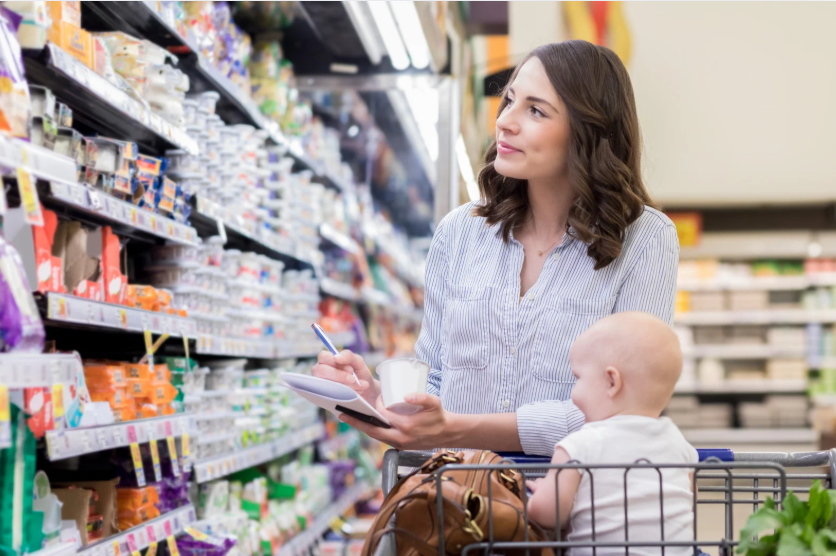
Finding safe, healthy baby and toddler snacks shouldn’t feel like detective work.
But too often, I discovered that snacks marketed as “healthy” are hiding added sugars—or worse, contain unsafe levels of heavy metals like lead, arsenic, or cadmium. Add to that the guilt of throwing endless single-use plastic pouches and containers into the trash, and snack time can feel more stressful than it should.
I’ve been there. After two years of parenting, I noticed how quickly the single-use plastics added up. I had already started making small sustainable swaps (👉 Easy Sustainable Swaps for Parents) but snack packaging was becoming one of the biggest culprits in my home.
The good news? There are safe, nourishing, eco-friendly solutions. This guide walks you through:
- Why sugar and heavy metals in baby food are a real concern
- Store-bought snacks I actually trust
- Easy, homemade alternatives (including my yogurt pouch recipe!)
- Sustainable, freezer-friendly containers and pouches to reduce waste
That’s why I’ve put together this guide: a vetted list of healthy baby and toddler snacks and containers I personally recommend, backed by research and mindful of your child’s health.
Why This Matters
The Problem with Added Sugar
The American Academy of Pediatrics (AAP) recommends that children under 2 avoid added sugars entirely. Added sugars increase the risk of tooth decay, set up a preference for overly sweet foods, and provide little nutritional value for growing bodies. Even with this recommendation, I found that a lot of baby and toddler snacks have added sugar, and don’t even get me started on the food they served my daughter at daycare in a class of infants!
👉 AAP recommendations on sugar: Added sugar in kids’ diets: How much is too much? | AAP News | American Academy of Pediatrics
Heavy Metals in Baby Food
A less talked-about issue is heavy metals in baby and toddler foods. Studies have found that store-bought snacks—especially rice-based products, fruit juices, and some pouches—contain concerning levels of arsenic, lead, cadmium, or mercury. These don’t come from unsafe processing but from how food is grown and sourced. For example, rice absorbs arsenic from soil and water.
👉 FDA Issues Final Guidance for Industry on Action Levels for Lead in Processed Food Intended for Babies and Young Children | FDA
👉 Avoiding Heavy Metals & Microplastics in Baby Food
The good news is that you don’t need to panic. With some label awareness, rotating the foods you offer, and choosing (or making) healthy toddler snacks with lower-risk ingredients, you can drastically reduce your child’s exposure.

The Environmental Side of Snacks
Single-use plastics pose another challenge. From their production to disposal, they contribute to pollution, climate change, and harm to wildlife. Microplastics are now even being detected in human bodies, raising concerns about long-term health effects.
We’ve all seen images of plastic littering beaches or floating in oceans—and it’s discouraging to realize how quickly snack packaging contributes to that problem. Swapping disposable pouches for reusable silicone ones, or choosing durable containers instead of flimsy plastics, may feel small, but these choices add up quickly.
Recommended Snacks by Category
1. Store-Bought Packaged Snacks
Convenience has its place, especially for parents on the go. Here are a few safer packaged, no added sugar toddler snacks and rice-based fillers (and are personally recommended by my toddler!):
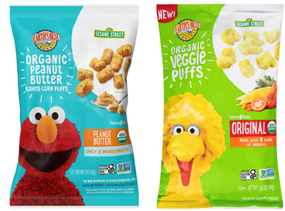
- Puffs & Crackers: [Earth’s Best Organic] – made without rice and with no added sugar.
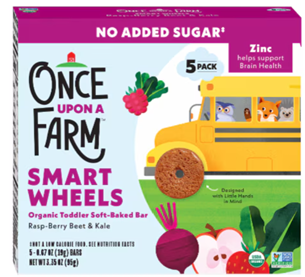
- Fruit & Veggie Bars: [Once Upon a Farm] – short ingredient list, sweetened only with fruit.
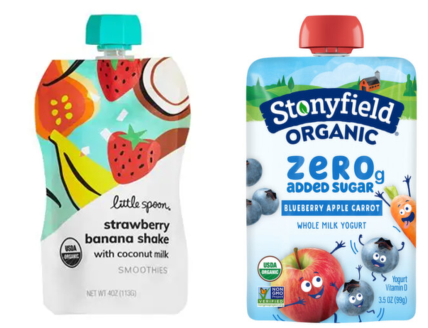
- Applesauce & Pouches: [Stonyfield Organic and Little Spoon] – tested for heavy metals, organic, and BPA-free packaging.
2. Homemade Quick Snacks
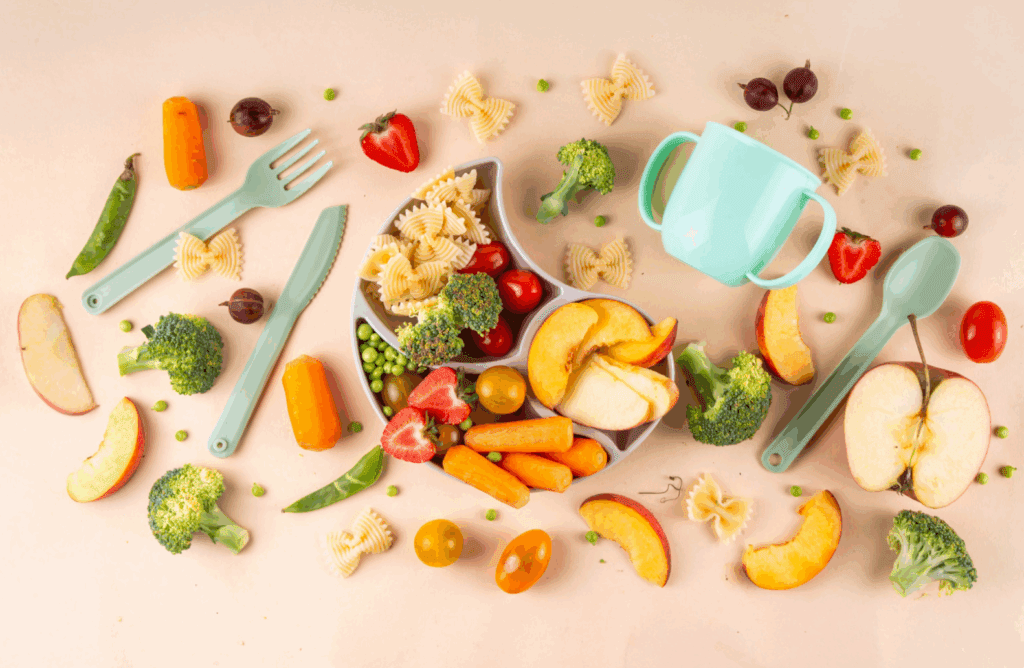
Homemade healthy toddler snacks give you full control over ingredients and reduce packaging waste. A few of my go-to options:
- Banana oat cookies – mash 2 bananas, mix with 1 cup oats and sprinkle of chia seeds, flaxseed meal, and hemp hearts. Bake at 350°F for 12–15 minutes.
- Nut butter (1 year+) or cheese and apple slices/sauce – Choose organic when possible and cut to size depending on your baby or toddler’s age.
- Homemade yogurt pouches – see recipe below!
Homemade Yogurt Pouch Recipe
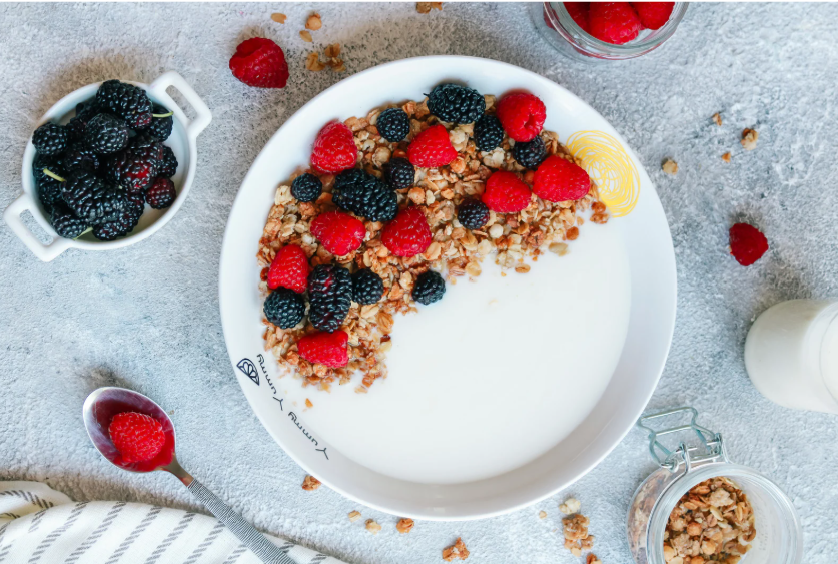
This simple recipe creates creamy, no-added-sugar yogurt that can be stored in reusable pouches.
Ingredients:
- 4 cups whole milk (organic or grass-fed if possible)
- 2 tablespoons plain yogurt with live active cultures (as a starter)
- Optional add-ins: mashed berries or bananas, mango puree, blended oats, chia or ground flax seeds, or a drizzle of nut butter (for 1 year+)
Instructions:
- Heat milk in a saucepan until it reaches about 180°F (just before boiling).
- Remove from heat and let it cool to about 110°F.
- Stir in your yogurt starter until fully combined.
- Pour mixture into a clean jar, cover loosely, and keep in a warm spot (like the oven with the light on) for 6–12 hours until thickened.
- Refrigerate at least 2 hours before serving.
- Spoon into reusable, BPA-free pouches for easy, travel-friendly snacks.
Storage & Safety Note:
- Store homemade yogurt in the fridge in an airtight container for 5–7 days.
- If filling reusable pouches, use within 2–3 days, since little ones may not finish them in one sitting and bacteria from their mouth can get into the pouch.
- Keep extra yogurt in a large airtight container in the fridge, and refill pouches as needed.
- For longer storage, freeze yogurt in pouches or containers for up to 1–2 months. Thaw overnight in the fridge before serving.
- For a quicker, no cook option you can simply blend in mashed berries or bananas and other additions into plain yogurt. However, no cook plain yogurt blended with fresh fruit (berries, banana, mango, etc.) is best eaten within 2–3 days.
- That’s because once fresh fruit is blended in, it adds extra moisture and natural sugars, which can cause the yogurt to spoil faster. Bananas in particular brown quickly and change flavor after a day or two.
A good trick:
- Store the plain yogurt separately for up to a week.
- Add mashed/blended fruit just before serving, or portion small amounts into pouches for the next 2 days.
👉 Ultimate Guide to Eco-Friendly Baby Meal Prep (Sustainable & Easy!)
👉 Reduce Waste with Homemade Baby Food – Follow These Tips!
3. On-the-Go Options
When you’re traveling, running errands, or spending the afternoon at the park, it’s easy to fall back on packaged snacks — but with a little prep, you can make healthy baby and toddler snacks that travel just as well. The key is choosing options that are nutrient-dense, low-waste, and easy to pack in reusable containers.
Homemade energy balls (for toddlers):
Blend oats, dates, seeds, and nut butter into bite-sized balls for a quick, mess-free snack. You can roll them in shredded coconut or hemp seeds for extra texture. Store them in the freezer and grab a few before you head out — they’ll thaw perfectly by snack time.
Freeze-dried fruits & veggies:
Look for single-ingredient, lab-tested brands that ensure no added sugars or preservatives. They’re lightweight, shelf-stable, and a great way to get toddlers used to different textures. Apples, strawberries, peas, and sweet potatoes are toddler favorites.
Cheese cubes & whole-grain crackers:
Pairing protein and complex carbs keeps energy levels steady between meals. You can cut cheese cubes at home, pack them in a small stainless-steel or silicone snack container, and skip the pre-packaged options that come in plastic trays.
💡 Bonus ideas:
- Silicone snack pouches or bento-style boxes make portioning simple and cut down on disposable packaging.
- Reusable beeswax wraps can hold sandwiches or energy bites securely without plastic.
- Bring a small reusable water bottle instead of juice boxes to cut sugar and waste.
If you’re flying or on a road trip, plan a few non-perishable options like roasted chickpeas, whole-grain cereal, or unsweetened applesauce pouches in recyclable packaging. These travel-friendly swaps help you reduce waste and avoid last-minute drive-thru stops.
Best Containers & Pouches
Switching to sustainable storage is one of the easiest, most impactful swaps you can make. Look for options that are BPA-free, phthalate-free, dishwasher-safe, and durable enough to last for years.
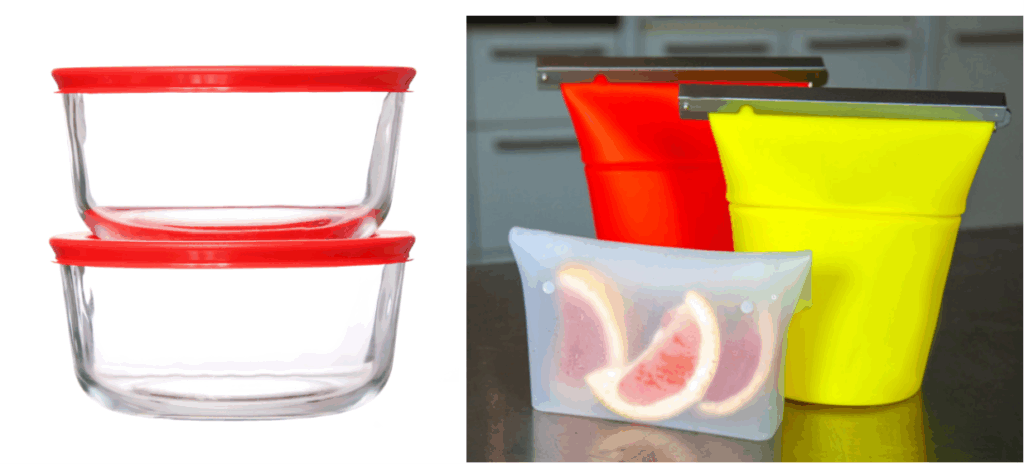
- Reusable yogurt pouches – ideal for yogurt, purees, or smoothies.
- Silicone snack pouches – eco-friendly, washable, and easy for toddlers to use.
- Glass or stainless steel containers – best for home storage and freezer use, without the risk of chemicals leaching.
Tip: I like to keep a few portions of homemade snacks in freezer-safe containers so I can just grab one the night before and let it thaw in the fridge for the next day.
Quick Tips for Parents
- Read labels carefully: Added sugars often hide as fruit juice concentrate, syrup, or cane sugar.
- Rotate snacks often: Variety reduces heavy metal exposure and keeps kids interested in new textures and flavors.
- Think ahead with storage: Pre-portion snacks into containers so healthy options are always ready to grab.
- Start small with sustainability: Even replacing one box of store-bought pouches with a homemade batch in reusable pouches makes a big impact over time.
Finding healthy baby and toddler snacks snacks doesn’t have to be stressful. With a mix of trusted store-bought options, simple homemade recipes, and reusable storage solutions, you can support both your child’s health and the planet’s future.
What healthy toddler snacks or tricks have you found that work well for your family? Share them in the comments below!
Next Steps:
- Try my Eco-Friendly Family Starter Kit to incorporate sustainability into your entire family.
- Try my 21-Day Mindful Parenting Challenge to make mindful parenting a lasting habit.
- Want them both? Get the Eco-Friendly Guide and Mindful Parenting Bundle.
Check out these other articles and resources to continue on your mindful and sustainable journey:
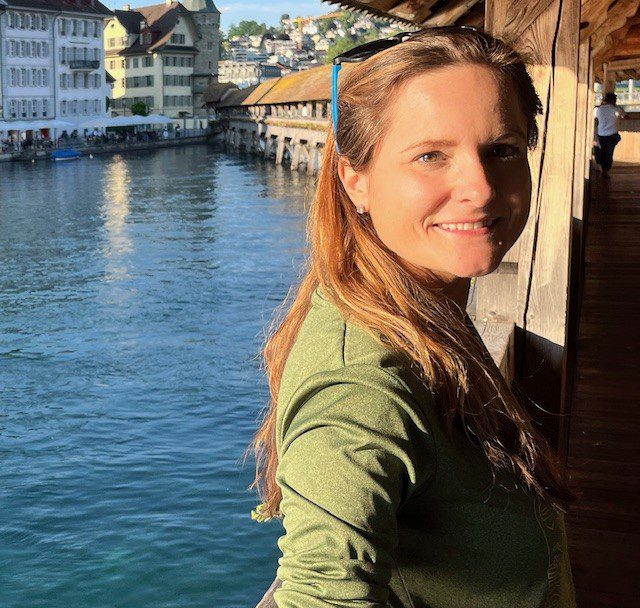
Hi, I’m Christine — a nature-loving mom on a journey to live more sustainably and mindfully.
Through the ups and downs of parenting, I’ve found peace in mindfulness, meditation, and conscious living. Now, I share simple tips for mindful parenting, sustainable choices, and creating a sense of calm in everyday family life.
No responses yet