
Parenting toddlers and babies often feels like a blur—early mornings, snack negotiations, endless energy, and the occasional (or frequent) meltdown. Between the sleepless nights and the constant juggle of responsibilities, it’s easy to slip into autopilot. We go through the motions—feeding, cleaning, comforting—but sometimes forget to simply be in the moment with our little ones.
That’s where mindful parenting comes in.
Not another “perfect parent” checklist. Not hours of meditation or unrealistic self-care routines. But small, sensory-rich moments that bring us back to the present—a deep breath before responding, feeling your child’s tiny hand in yours, noticing their laughter, their curiosity, their wonder. Mindfulness helps us slow the chaos just enough to find calm, connection, and clarity in the middle of it all.
I’m writing this as the parent of an almost-two-year-old who can melt down over just about anything (including, recently, the “wrong” color cup). For a long time, I felt completely at a loss for how to handle those overwhelming moments. The frustration, guilt, and exhaustion built up until I started leaning into mindfulness—not as a fix, but as a way of being with my child differently. It didn’t make every tantrum disappear, but it helped me respond with more patience and presence.
In this post, I’m sharing six simple, practical ways to weave mindfulness into your daily routine—from gentle morning rituals and mindful play to calming bedtime moments that help both you and your child unwind. Whether you’re a new parent or in the thick of toddlerhood, these practices can help you create more connection and less chaos—one mindful moment at a time.

1. Morning Mindfulness Rituals for Toddlers & Babies
“The way we start the morning often sets the tone for the rest of the day.”
Morning routines with toddlers can swing wildly between sweetness and chaos. Instead of rushing from bed to breakfast and clothes battles, I’ve found that starting with simple, grounding rituals can completely change the mood of our day.
One of my favorites is the “open-window, heart-talk, joyful sip” sequence:
- Open-Window: Let fresh air in. My toddler loves pressing her nose against the screen, pointing out birds, cars, or sunlight. It’s such a small act, but it sets a tone of curiosity and connection to the world outside. If you prefer, you can just open the curtains and acknowledge the day or even step outside for a moment to say good morning to the sun or the sky.
- Heart-Talk: While getting dressed, share one gratitude or intention. It could be as simple as “I’m thankful for pancakes” or “Let’s have a kind day.” My daughter is still learning what gratitude is but it’s less about what’s said and more about practicing the rhythm of appreciation.
- Joyful Sip: Finally, we sit down with something warm (tea for me, warm milk for her) and take a moment to notice the taste, the temperature, the feeling of sitting together before the day speeds up.
This whole ritual takes under 10 minutes. But those 10 minutes feel like planting a seed of calm that carries us through the morning.
🌱 Try my 5-Minute Daily Mindfulness Guide to help kickstart your daily mindfulness practice.

2. How to Easily Raise Eco-Conscious Toddlers
Talking to toddlers about “saving the planet” can feel abstract—or scary. I’ve learned that toddlers don’t need “doom talk”; they need joyful, empowering experiences that naturally nurture empathy for the earth, empowering connections with nature.
Here are some simple ways to raise eco-conscious toddlers playfully:
- Model eco-habits: Turn off lights together, recycle, compost, or refill a water bottle—making it a team activity.
- Make it sensory: Let kids touch soil, water plants, or collect leaves on a walk.
- Ask curious questions: “What color is this leaf? How does it feel?”
- Use play and storytelling: Pretend to be gardeners, animals, or rainclouds. Picture books about animals or the seasons can lead to big, curious toddler questions.
I’ll never forget the day my toddler crouched down on the sidewalk to wave at a worm. She followed its progress until it reached safety, cheering it on. That’s environmental empathy in its purest form—and it came not from a lecture, but from curiosity and care.
🌍 For more ideas, check out the National Wildlife Federation’s Connecting Kids and Nature.
3. Slow Parenting & Mindful Minimalism
“Children don’t thrive in hustle; they thrive in presence.”
Life with young kids often feels like racing from one thing to the next. Children, especially toddlers, don’t thrive in constant hustle. They thrive in unstructured time, imagination, and presence. Slow parenting—paired with mindful minimalism—creates space for connection, imagination, and calm. For us, it looked like decluttering both toys and time.
Here’s how it can look:
- Simplify toys: Fewer options = deeper play. A scarf can become a cape, a tent, or a river.
- Declutter schedules: Create “nothing time” for unstructured play or rest instead of packing the calendar.
- Focus on the moment: Sit on the floor, build a tower, laugh together—not with an agenda, but just to be present.
When I donated bags of unused toys, I worried my daughter would be bored. Instead, she rediscovered blocks and scarves, inventing entire worlds. Minimalism didn’t reduce her joy—it expanded it.
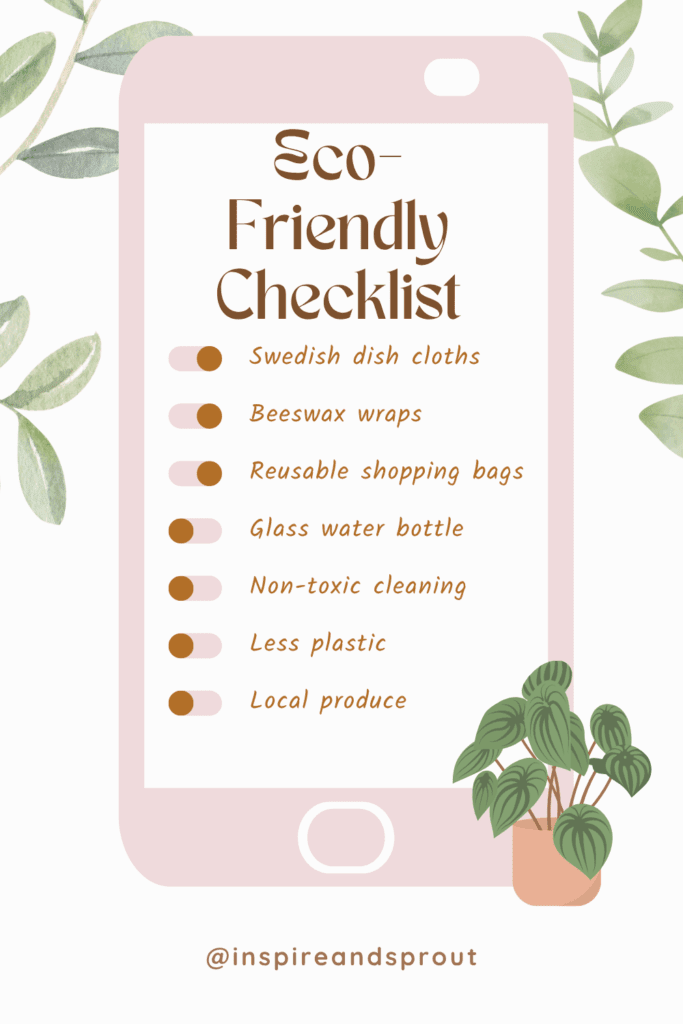
🌱 Check out my simple Eco-Friendly Family Living Checklist to help simplify both your home and lifestyle.
4. Mindfulness for Better Sleep
If there’s one universal toddler struggle, it’s sleep. While most research highlights mindfulness benefits for school-aged kids, toddlers and infants can benefit too—just differently.
Some practices that help bedtime unfold more peacefully:
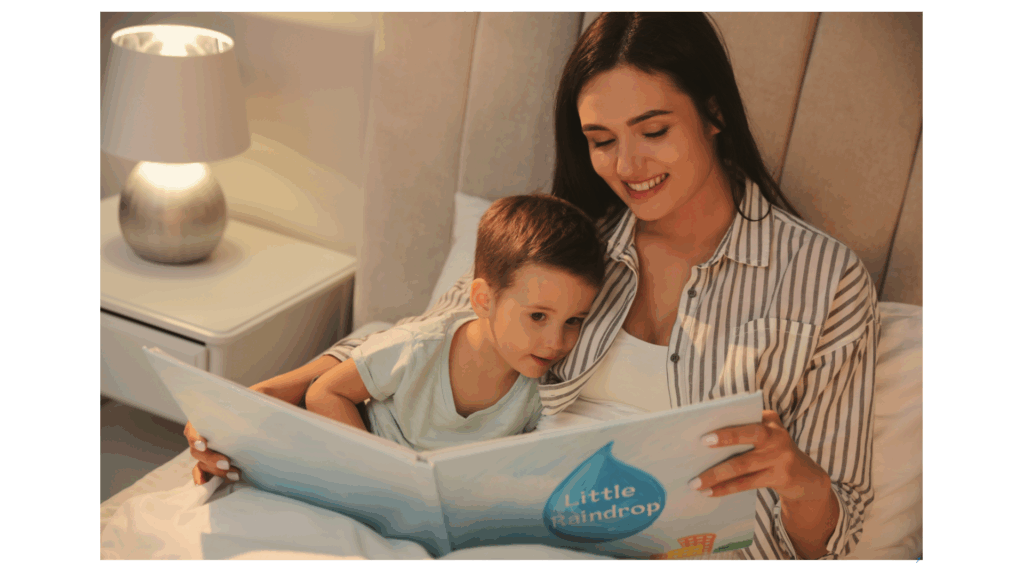
- Storytelling with mindful pauses: Slow your pace, use gentle tones, and pause to let them notice details in the story.
- Breathing wands: Bubble wands or pinwheels make slowing the breath fun and visual.
- Sensory cues: Dimmed lights, calming lotion, or rhythmic touch signal that it’s time to wind down.
And maybe most importantly—our energy matters. When I rush bedtime, she resists harder. When I soften my voice and breathe deeply, she relaxes more easily. Toddlers are sponges for our calm. It really makes a big difference when you slow down, and they mirror your actions.
✨ Try This Tonight: Before bed, dim the lights and take three deep breaths together. Ask your toddler, “What sound do you hear right now?” This small sensory pause helps shift them (and you) into rest mode.
5. Tech & Mindfulness: Tools for Parents, Not Just Kids
Mindfulness apps aren’t just for children—they’re lifelines for parents. When you’re in the middle of a toddler meltdown, sometimes the most important shift is your own state.
Here are a few tools I’ve leaned on:
- Mini-meditations (2–3 minutes): Balance app has short scripts that fit into real parenting chaos.
- Yoga Nidra recordings: Perfect for exhausted evenings once kids are asleep.
- Mindful walking reminders: Apps that encourage breath and awareness during stroller walks (Meditation Oasis or Headspace).
Once, in the middle of a meltdown, I tried a calm-down script: instead of saying “you’re okay,” I whispered, “I’m here with you.” It didn’t stop the tears instantly, but it shifted my presence. And that shift was enough to eventually ease us both.
📱 Check out Healthline’s list on the top 3 meditation apps.

6. Sensory Mysteries: Mindful Play Through Details
Mindfulness can be playful. In fact, toddlers are naturally mindful—they notice ants on the sidewalk, the sound of a plane overhead, or the way water feels running over their hands. We can encourage that presence through playful, sensory-rich activities.
Some of our favorite mindful play ideas:
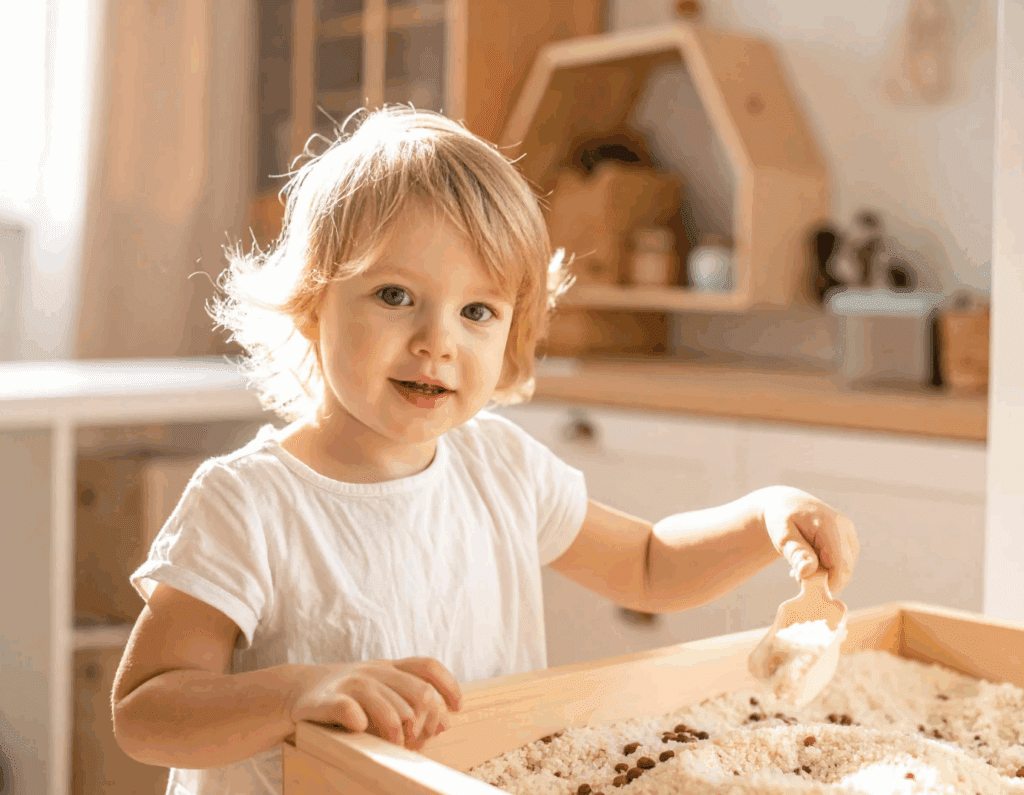
- Hidden treasures: Place small objects (beads, gold stars) in sensory bins or picture books and let your child discover them.
- Texture walks: Indoors or outdoors, notice surfaces—smooth leaves, rough bark, or squishy playdough.
- Storybook hunts: Hide a doodle or sticker on a page for them to find.
One day, my daughter found a small heart-shaped rock in the garden. She continued to randomly bring it up and talk about it for days. That tiny discovery reminded me: mindfulness for toddlers isn’t all about silence or stillness; it’s about noticing what others rush past.
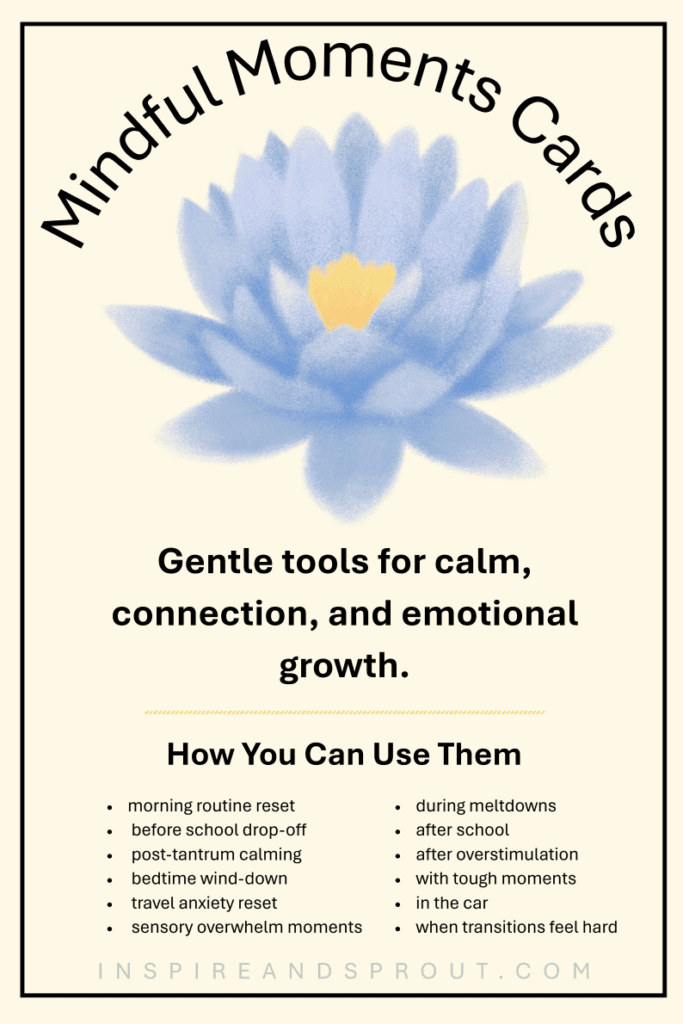
🌱 If you’re interested in incorporating mindfulness into your every day and making it a lasting habit, be sure to check out my 21-Day Mindful Parenting Challenge!
Final Thoughts
Mindful parenting doesn’t mean being serene and unshakable all the time (spoiler: toddlers won’t allow it). But it does mean choosing small, intentional practices that shift the energy in a moment—whether it’s morning sunlight, a bedtime breath, or a curious pause during play.
When we create those mindful moments, we’re not only calming ourselves—we’re teaching our children something profound:
“The world is worth noticing. Joy can be found in simplicity. And calm is something we can create together.”
✅ Next Steps:
- Download my free 5-Minute Daily Mindfulness Guide for Parents for easy, grounding practices.
- Explore the Eco-Friendly Family Living Starter Kit for sustainable habits you can weave into daily routines.
- Try the 21-Day Mindful Parenting Challenge to incorporate mindfulness into your every day and make it a lasting habit.
- Want both sustainability and mindfulness? Get the Sustainable Family Guide and Mindful Parenting Bundle.
Check out these other articles and resources to continue on your mindful and sustainable journey:


Hi, I’m Christine — a nature-loving mom on a journey to live more sustainably and mindfully.
Through the ups and downs of parenting, I’ve found peace in mindfulness, meditation, and conscious living. Now, I share simple tips for mindful parenting, sustainable choices, and creating a sense of calm in everyday family life.
No responses yet