Why Choose Sustainable Fall Fashion
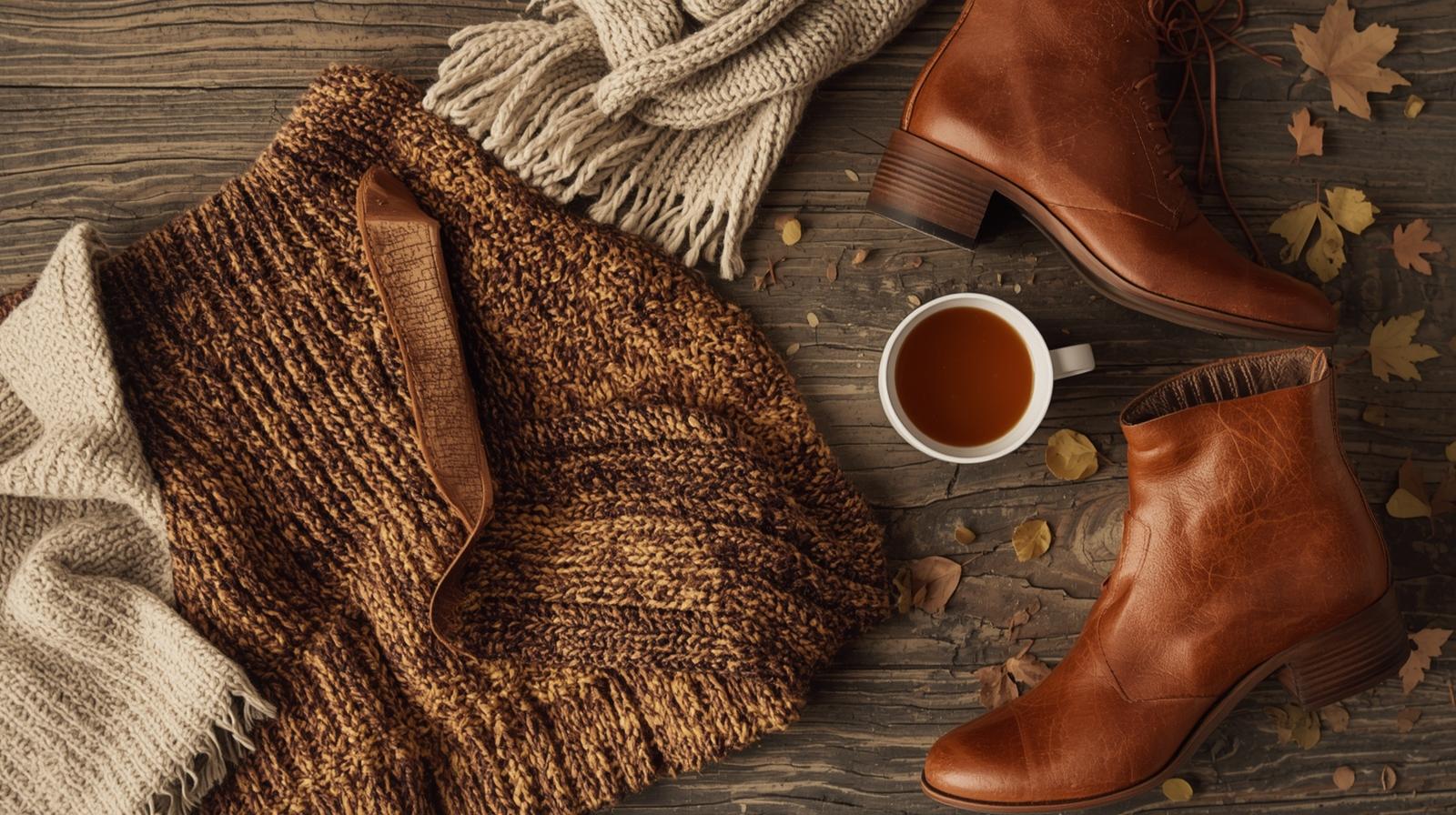
As the air turns crisp and the leaves start to change, fall invites us to slow down and savor the season. Cozy sweaters, boots, and warm layers are fall essentials, but they don’t have to come at the cost of the planet. Fast fashion often pushes us toward trendy, short-lived purchases, but sustainable fall fashion is about timeless style, eco-friendly materials, and mindful choices.
By building a wardrobe with high-quality, planet-conscious pieces, you’ll not only look stylish but also support brands that care about people and the environment.
Choosing sustainable fashion is a way to align your wardrobe with your values. Each mindful swap makes a difference for the planet and helps you create a fall style that lasts.
Create a Fall Capsule Wardrobe with Sustainable Staples
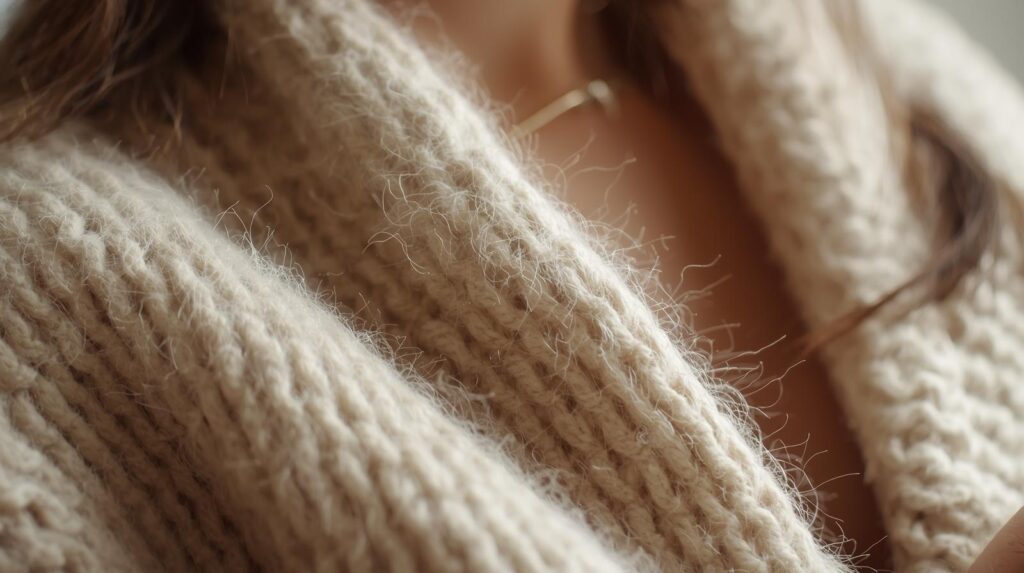
A fall capsule wardrobe focuses on versatile pieces you can mix and match, keeping your closet simple but stylish. By choosing high-quality, sustainable fabrics, you reduce waste and avoid the cycle of overconsumption.
When choosing clothing, blankets, or textiles for kids, certain fabrics are naturally better for the planet — and gentler on sensitive skin. Here’s why these materials rise to the top:
✅ Organic Cotton (Soft, Durable, Gentle on Skin)
Organic cotton is grown without synthetic pesticides, herbicides, or genetically modified seeds. This means:
- Safer for baby skin — fewer chemical residues.
- Healthier soil — organic farming preserves nutrients and biodiversity.
- Less water waste — organic cotton typically uses less irrigation than conventional cotton.
- Better air quality for farmers and communities — no harsh chemicals sprayed.
Because it’s durable, organic cotton clothing lasts longer, reduces waste, and can be passed down or resold.
✅ Hemp (Naturally Strong, Breathable, and Low-Water)
Hemp is often called a super fiber because:
- Extremely durable — it resists wear and tear (perfect for rough toddler play).
- Anti-microbial and hypoallergenic — great for sensitive skin.
- Minimal water needs — it grows with very little irrigation.
- No pesticides required — hemp naturally resists pests.
- Regenerates soil — improves soil health while growing.
It’s a crop that gives back more than it takes — truly a win-win for sustainability.
✅ Recycled Wool (Warm, Resource-Efficient, Lower Footprint)
Recycled wool is created by transforming post-consumer or post-industrial wool fibers into new textiles. This helps:
- Save energy and water used in processing new wool.
- Reduce textile waste that would otherwise end up in landfills.
- Extend the life cycle of existing fibers.
- Cut greenhouse gas emissions associated with sheep farming.
It still holds wool’s natural benefits — warmth, breathability, moisture-wicking — without the environmental toll.
🌍 Why These Choices Matter
By choosing fabrics like these, you:
- Support more responsible farming practices
- Reduce chemical exposure in everyday products
- Extend the life of textiles through durability
- Minimize landfill waste
- Teach kids the power of mindful consumption
Small swaps in the clothes we buy can create a big ripple effect over time.
Sustainable brands to try:
- Eileen Fisher – timeless basics made with organic fibers
- Pact – organic cotton everyday essentials
- Thought Clothing – eco-friendly and Fair Trade certified
A capsule wardrobe not only simplifies your mornings but also reduces decision fatigue and shopping impulses. Fewer, better pieces can give you both freedom and style. I’ve noticed that when I invest in natural fabrics like organic cotton and wool, my clothes last so much longer. I used to buy cheap sweaters that pilled or stretched out after a few washes, but now I reach for pieces that feel soft, breathe well, and stay in great shape season after season. It feels good knowing that I’m reducing waste while building a wardrobe that truly lasts.
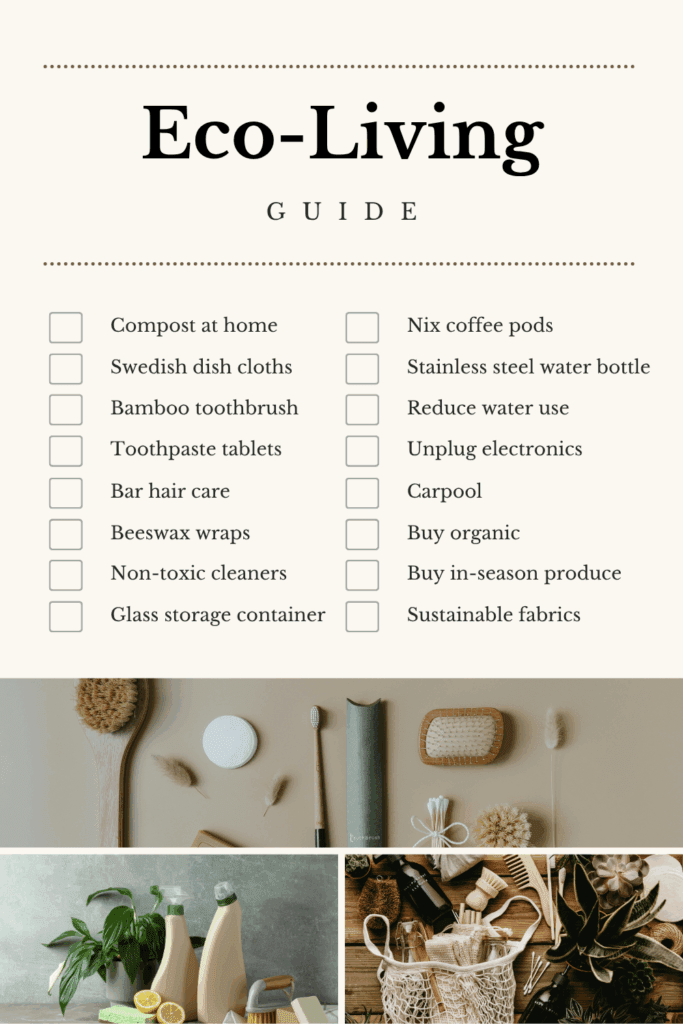
If you’re looking to simplify beyond your wardrobe, my Eco-Friendly Family Living Guide is a great place to start building more sustainable habits at home.

Cozy Layers That Last: Sustainable Sweaters and Flannels
Fall is all about cozy layers, but instead of grabbing cheap, trendy knits, invest in sweaters and flannels that will last for years. Look for classic cuts and natural fabrics that don’t pill or stretch out.
Eco-friendly fabrics to choose:
- Merino wool (soft, temperature regulating)
- Recycled cashmere (luxurious and sustainable)
- Tencel (lightweight layering option)
Sustainable brands to consider:
- Everlane (ReCashmere line) – modern basics with recycled fibers
- Patagonia – outdoor-ready layers with recycled materials
- Naadam – ethically sourced cashmere sweaters
Sustainable layers are more than just warm—they become the pieces you reach for every year. Investing in quality means less waste and more comfort season after season. Over the past few years, I’ve started being more intentional about where I shop. I used to grab whatever was convenient, but learning more about fast fashion really changed how I think about clothing. Now, when I find a brand that treats workers fairly and uses eco-friendly materials, I feel proud to support them. I do not buy everything at once. Instead, I add pieces slowly and thoughtfully over time.
For cozy moments at home that match your mindful wardrobe, check out my 5-Minute Daily Mindfulness Guide, full of simple ways to slow down and enjoy the season.
Outerwear That Works Hard (and Looks Good)
A good jacket is the centerpiece of your fall wardrobe. Instead of buying a new coat each year, choose durable, eco-conscious outerwear built to withstand seasons of use.
Sustainable options include:
- Organic cotton canvas jackets
- Hemp blends for durability
- Recycled polyester puffers or fleeces
Sustainable brands to look at:
- Patagonia – recycled polyester jackets and fleece
- Tentree – plant-based fabrics (and they plant 10 trees per purchase)
- Girlfriend Collective – fleece jackets made from recycled water bottles
When you choose outerwear that is built to last, you make an investment in both style and sustainability. A high-quality coat becomes part of your fall traditions year after year. I’ve realized that I do not need a huge wardrobe to feel stylish. I rotate a few favorite pieces and mix them in different ways each season. Some of my fall staples have been with me for years, and I love how they still feel timeless. Taking this approach has helped me shop less, appreciate what I have, and make more mindful choices.
Want to carry sustainable living into the holidays? See my Sustainable Christmas Decorations That Bring Joy (Not Waste) post for tips on eco-friendly décor ideas for your home.
Sustainable Footwear for Fall Adventures
Shoes are often overlooked, but they have a big impact on sustainability. Instead of cheap synthetic boots, opt for sustainable footwear brands that use ethical production and recycled or natural materials.
Sustainable shoe choices:
- Boots with natural rubber soles
- Sneakers made from recycled fibers
- Footwear made from organic fabrics or innovative plant-based alternatives
Sustainable brands to try:
- Allbirds – wool runners and sustainable sneakers
- Bhava – sustainable, plant-based boots
- Veja – eco-friendly sneakers made with wild rubber
Choosing sustainable footwear means every step you take is lighter on the planet. Well-made shoes not only last longer but also support better practices in fashion.
Pair your ethical shoes with mindful outdoor activities—my Fall Nature Scavenger Hunt for Kids is a great way to enjoy crisp weather while connecting with nature.

Sustainable Accessories That Elevate Your Look
Accessories like scarves, hats, and bags can transform your outfits without needing an entirely new wardrobe. By choosing sustainable materials or secondhand pieces, you add style while staying eco-conscious.
Eco-friendly options include:
- Organic cotton or recycled wool scarves
- Bags made from recycled nylon or plant-based leathers
- Locally handmade artisan accessories
Sustainable brands to explore:
- Baggu – reusable and recycled nylon bags
- Organic Basics – eco-friendly hats and scarves
- Local artisans or vintage shops
Accessories are the perfect way to refresh your wardrobe sustainably. Even a small swap, like a recycled wool scarf, adds both warmth and eco-friendly style.
Thrifting + Secondhand Finds: The Most Sustainable Fashion Choice
One of the best ways to practice sustainable fashion is to buy secondhand. Thrifting gives clothing a new life, reduces textile waste, and often uncovers unique, one-of-a-kind pieces.
Tips for fall thrifting success:
- Stick to a color palette (neutrals or warm fall tones).
- Stick to durable, natural, or recycled fabrics such as wool, organic cotton, or recycled polyester.
- Don’t be afraid to tailor thrifted finds for a better fit.
Secondhand platforms to check out:
- ThredUp – large online secondhand marketplace
- Poshmark – peer-to-peer fashion resale
- Depop – vintage and trendy secondhand clothing
Thrifting is not only budget-friendly but also one of the most sustainable fashion choices you can make. Every secondhand purchase keeps clothing out of landfills and gives it a new story.
Want more tips for sustainable seasonal shopping? Check out my Farmers’ Market Seasonal Shopping Guide to shop sustainably for seasonal produce.

Fall in Love with Sustainable Style
Sustainable fall fashion is about making smart choices that benefit your wardrobe and the planet. Choose natural fabrics, support eco-conscious brands, and embrace secondhand finds to build a cozy fall wardrobe that feels as good as it looks.
Wrap yourself in a soft sweater or lace up durable boots, and you are not just dressing for the season. You are investing in timeless style, lasting quality, and a healthier planet. Even one small swap can make your wardrobe more sustainable and stylish with every season.
Check out these other articles and resources to help you on your mindful and sustainable journey:

Hi, I’m Christine — a nature-loving mom on a journey to live more sustainably and mindfully.
Through the ups and downs of parenting, I’ve found peace in mindfulness, meditation, and conscious living. Now, I share simple tips for mindful parenting, sustainable choices, and creating a sense of calm in everyday family life.
No responses yet