When it comes to sustainable living, most of us think about the basics: bring your own reusable bags, recycle your cans, and turn off the lights. But there’s so much more you can do that’s practical, low-effort, and surprisingly impactful.
This post highlights 10 sustainable habits many people haven’t heard of, yet they’re incredibly easy to implement in your everyday life. From hidden recycling opportunities to clever swaps that reduce waste and save money, these actions can help your family live more consciously without adding stress.
1. Return Plastic Bags to Grocery Store Recycling Bins
Many grocery stores offer bins for recycling plastic bags, wrap, and packaging that can’t be processed through your curbside program. This one is a no-brainer for those of us wanting to do our part to reduce plastic waste in landfills. I definitely have a “bag of bags” and even though I use reusable bags at the grocery store, there’s always a time or two when you grab something and don’t have them on hand. In these cases, it helps to know that you can still do your part by recycling the plastic.
Actionable Tip:
- Collect plastic bags, bread bags, and produce bags in a kitchen basket.
- Drop them off the next time you’re at the grocery store.
Benefits:
- Keeps plastic out of landfills and waterways
- Reduces microplastics in the environment
- Teaches kids the value of proper recycling
Get your kids involved! My 2-year-old already know what goes in the recycle bin and what doesn’t. I’m still working on teaching her about the compost bin and will teach her the importance of reducing plastic waste as she gets older as well.
Not sure where to drop yours off? How2Recycle Store Drop-Off program provides a label to identify recyclable plastic bags and films. Consumers can bring these items to participating retailers with collection bins near the store entrance. NexTrex partners with retailers to connect plastic bags and films for recycling into composite lumber. You can use their Find a Drop Off tool to locate participating stores.
2. Choose Loose Produce Over Pre-Packaged
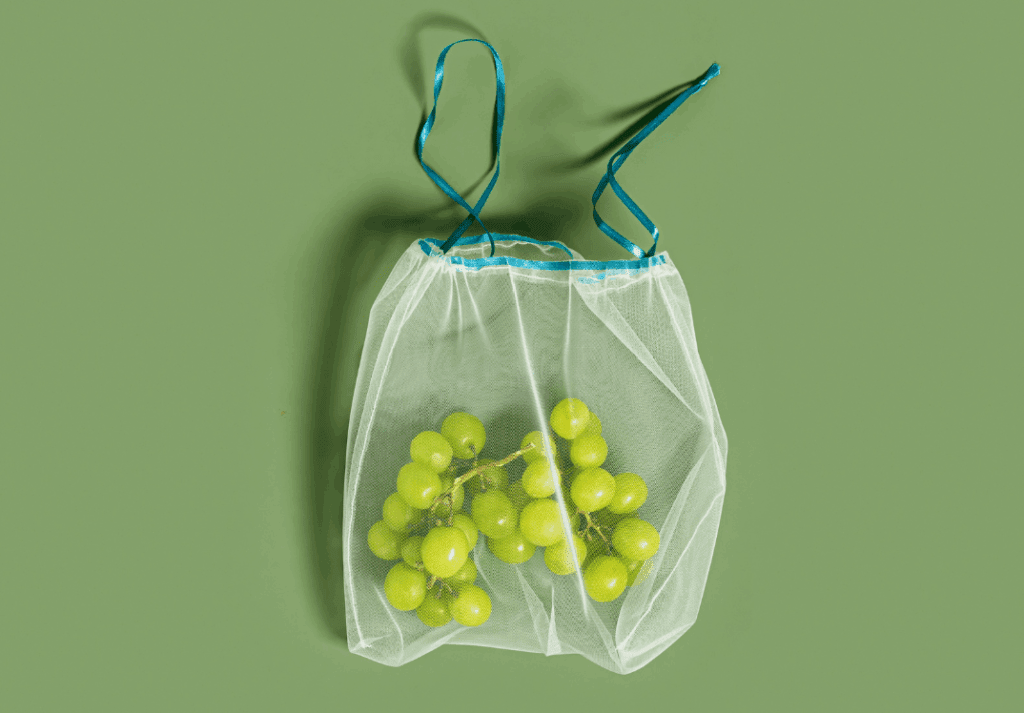
Buying fruits and vegetables without packaging is an obvious tip, but many people don’t realize that pre-packaged bundles or plastic trays are a less sustainable option. Especially when using reusable produce bags at the store like these. Just throw them in your reusable shopping bags and keep them in your trunk and you’ll never be without them!
Actionable Tip:
- Pick loose carrots, apples, peppers, and other items instead of pre-bagged options.
- Bring reusable produce bags to avoid single-use plastics.
Benefits:
- Reduces single-use plastic
- Often cheaper per pound
- Encourages conscious shopping and reduces food waste
Don’t forget to buy in-season produce to get even more sustainable living benefits. Check out my Seasonal Produce Shopping Guide to know what’s in-season.
3. Return Empty Ink Cartridges & Batteries
This is a big one most people miss: printer ink cartridges, batteries, and small electronics often contain toxic materials that shouldn’t go in the trash. Here are some options:
Call2Recycle is a nonprofit organization that provides a drop-off locator to find nearby battery recycling locations. They accept single-use and rechargeable batteries.
Retail Take-Back Programs: Many retailers, such as Home Depot, IKEA, Lowe’s, and Staples, offer battery recycling through their stores. Check with your local store for specific details.
Actionable Tip:
- Keep a small “recycling bin” at home for ink cartridges and batteries.
- Drop them off at designated recycling centers, office supply stores, or battery take-back programs.
Benefits:
- Prevents heavy metals and chemicals from contaminating landfills
- Encourages kids to think about hidden waste
- Supports circular economy initiatives
4. Buy “Ugly” Produce or Near-Expiration Items
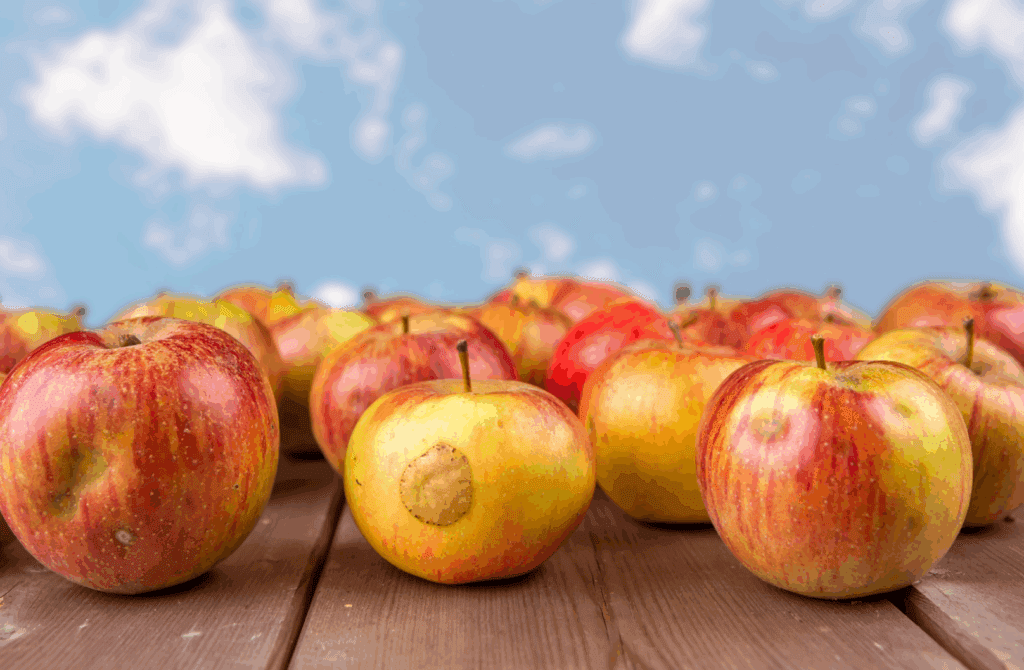
Many grocery stores sell “imperfect” fruits, vegetables, or products near their expiration date at a discount. These items are perfectly safe to eat just don’t look picture perfect. I know it’s silly, but I always feel like I’m rooting for the underdog or saving an apple from bullies when I do this.
Actionable Tip:
- Check the marked-down section for produce, bread, or pantry items.
- Plan recipes to use these items before they spoil.
Benefits:
- Reduces food waste dramatically
- Saves money while supporting sustainability
- Helps normalize accepting “imperfect” items
5. Collect and Freeze Vegetable Scraps for Stock
Instead of throwing away carrot tops, onion skins, and celery ends, save them to make homemade vegetable stock.
Actionable Tip:
- Keep a freezer bag labeled “Stock Scraps”
- Add vegetable peels, ends, and scraps
- Boil with water when you have enough to make broth
Benefits:
- Reduces food waste
- Cuts down on store-bought packaging
- Adds nutrients and flavor to homemade meals
Quick Veggie & Chicken Stock
Turn leftover vegetables and rotisserie chicken into a flavorful, homemade stock.
Ingredients:
- Vegetable scraps (carrot tops, onion ends, celery leaves, mushroom stems, etc.)
- Leftover rotisserie chicken bones or meat (optional)
- 6-8 cups water
- 1–2 bay leaves
- Optional: garlic cloves, peppercorns, fresh herbs
Instructions:
- Place vegetables and chicken in a large pot.
- Cover with water and add bay leaves and optional herbs/spices.
- Bring to a boil, then reduce to a simmer for 30–45 minutes.
- Strain and store in the fridge for up to 5 days, or freeze for later use.
Use this stock as a base for soups, stews, or grain dishes to reduce food waste and add homemade flavor.

6. Donate or Swap Unused Household Items
Many people toss items they no longer need, but your unused goods can have a second life. Try posting them on local sites for a low cost or for free. Alternatively, you can put them in your trunk and when you have a few items drop them off at your local charity. Luckily, I have a donation bin near my local grocery store that I can easily stop by every few weeks when I have collected enough items from around my house I no longer need or use.
Actionable Tip:
- Organize a small bin of gently used toys, clothing, or kitchen items.
- Donate to charities or participate in local swap events.
Benefits:
- Reduces landfill waste
- Supports community needs
- Teaches children the value of sharing and repurposing – get them involved!
7. Opt for Refillable Cleaning & Personal Care Supplies
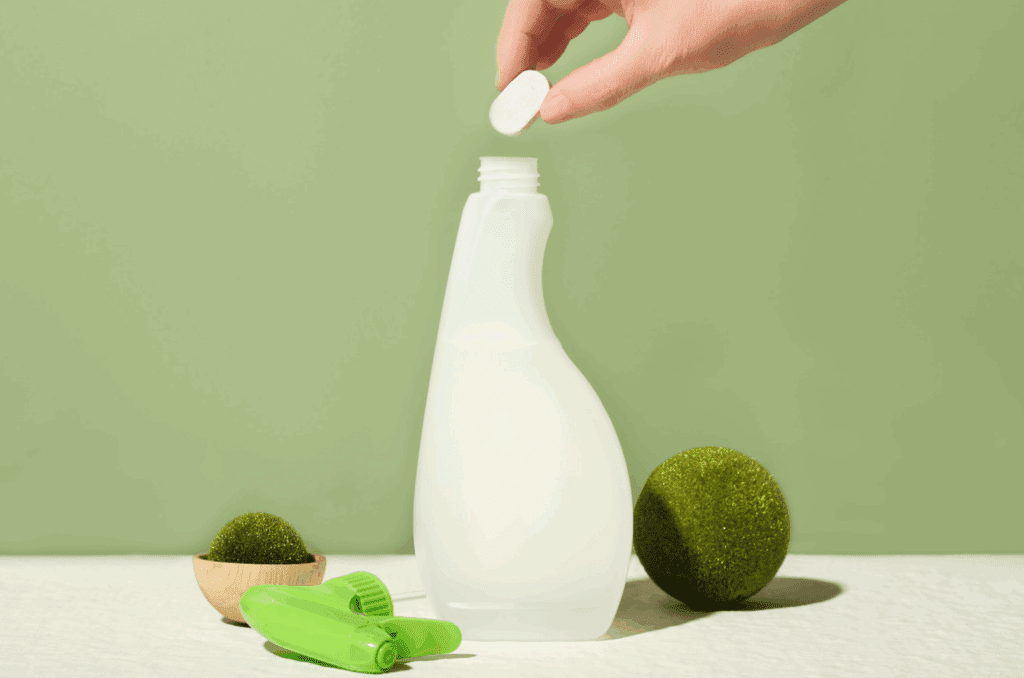
You may have heard of this but never used it before as more people are aware of this habit now, but it’s still underutilized. I think the concept is amazing and love brands that are offering this as an option for consumers. Check out Blueland’s Clean Essentials Kit for refillable cleaning supplies or Wild for refillable body care.
Actionable Tip:
- Buy concentrated refill pods for cleaning sprays or soaps
- Reuse bottles and containers instead of purchasing new plastic bottles
Benefits:
- Cuts plastic waste
- Saves money long-term
- Encourages sustainable habits for future generations
8. Use Dishwasher & Laundry Machines Efficiently
Small adjustments in how you use your appliances can make a big impact on both the environment and your utility bills. Here are practical ways to maximize efficiency while keeping your home clean and eco-friendly:
Dishwashing Tips:
- Run full loads only: Avoid wasting water and energy by waiting until your dishwasher is full.
- Eco or short cycles: Most modern dishwashers have energy-saving or half-load modes—use them when possible.
- Air-dry dishes: Skip the heated drying cycle and let dishes air-dry to save energy.
- Detergent choice: Opt for phosphate-free, biodegradable, or concentrated powders/tablets. Brands like Seventh Generation, Ecover, or Blueland tablets are effective and eco-conscious.
- Scrape, don’t rinse: Pre-rinsing under running water isn’t necessary and wastes water; just scrape off food scraps.
Laundry Tips:
- Full loads: Similar to dishwashers, only run laundry machines when they’re full to maximize efficiency.
- Cold water washes: Use cold water whenever possible—it saves energy and is gentler on fabrics.
- Eco or short cycles: Use energy-saving or quick-wash settings for lightly soiled clothes.
- Detergent choice: Use plant-based or concentrated detergents like Dropps, Seventh Generation, or Ecover. These are biodegradable, low-toxicity, and packaged sustainably.
- High-efficiency machines: If replacing appliances, choose Energy Star-rated washers and dryers to save water and electricity.
Bonus Tips:
- Use mesh laundry bags for small items to avoid lost socks and reduce the need for multiple mini-loads.
- Maintain machines regularly: Clean filters and check hoses to keep appliances running efficiently, which prolongs their life and reduces energy use.
Eco-Friendly Parenting Tip: By making these small adjustments and choosing sustainable, high-quality detergents, you can significantly reduce your household’s environmental footprint without sacrificing cleanliness or convenience.
9. Reuse or Repurpose Old Packaging for Storage
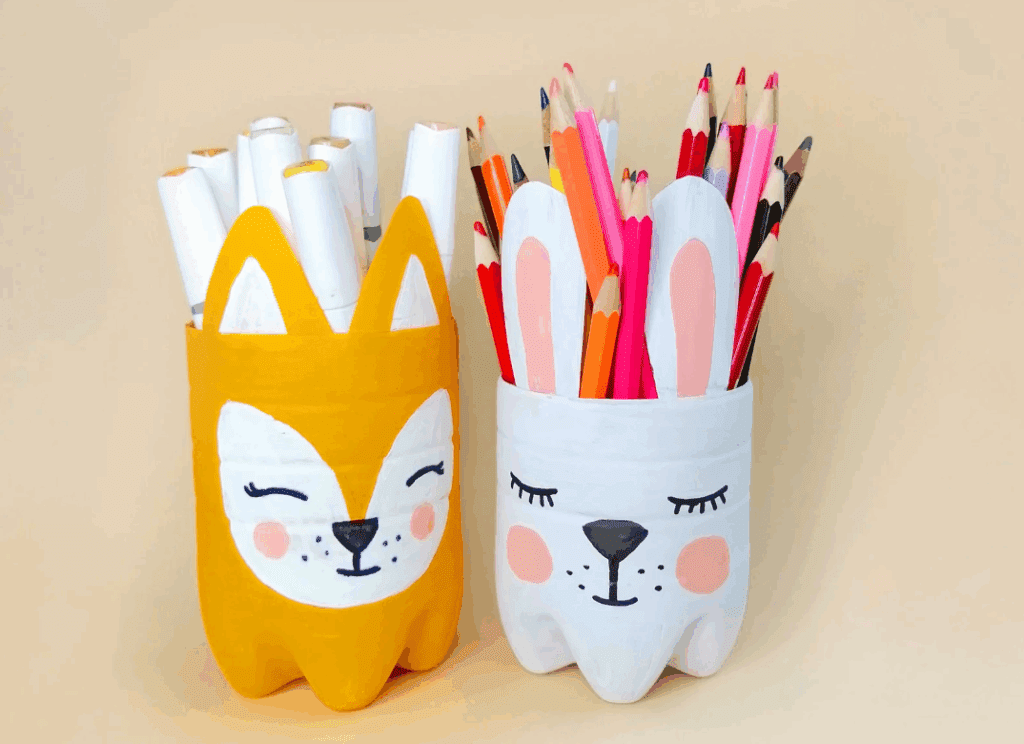
Repurpose Containers and Packaging
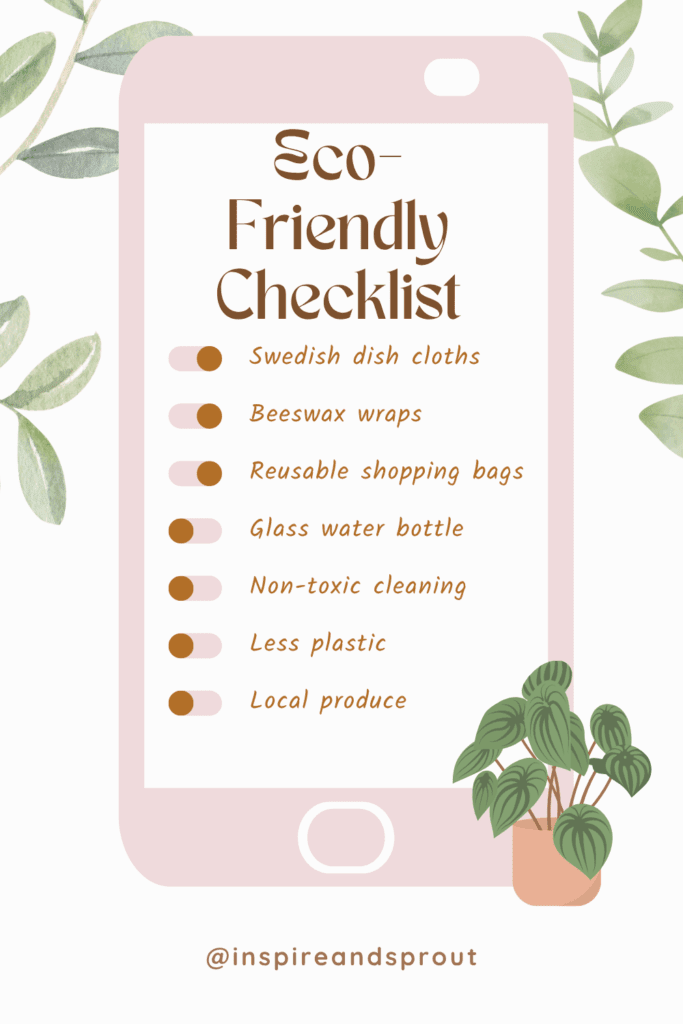
Instead of tossing plastic containers, glass jars, or cardboard, repurpose them for storage, crafts, or everyday organization. A little creativity goes a long way toward reducing waste while adding function and fun to your home. Check out my post on Easy Mindful & Sustainable Activities for Babies, Toddlers, and Kids Using Recyclables for more ideas.
Actionable Tips:
- Pantry storage: Clean glass jars or plastic containers can hold grains, pasta, spices, or snacks. Label them for easy access.
- School and office supplies: Use jars or small boxes to organize pencils, markers, paper clips, and other small items.
- DIY projects: Turn jars into candle holders, mini planters, or decorative vases. Plastic containers can be used for paint mixing or crafting.
- Toy organization: Repurpose cardboard boxes to create bins for small toys, LEGO pieces, or craft supplies. Decorate them with wrapping paper or stickers for a fun touch.
- Meal prep and leftovers: Use containers for storing chopped veggies, prepped ingredients, or homemade snacks instead of buying single-use containers.
- Gift packaging: Reuse jars or small boxes as eco-friendly gift packaging. Add a ribbon or custom label for a personal touch.
Benefits:
- Extends product life: Gives items a second life before they enter the recycling stream.
- Reduces spending: Cuts down on the need to purchase new storage solutions or craft supplies.
- Encourages creativity: Involves the whole family in upcycling projects and hands-on activities.
- Promotes mindful living: Reinforces a habit of considering reuse before disposal, reducing household waste overall.
Eco-Friendly Parenting Tip: By looking at everyday containers as potential tools instead of trash, you can make your home more organized, creative, and eco-conscious.
10. Enjoy Local Coffee Shops Mindfully
Taking a few minutes to enjoy a beverage or snack at a local coffee shop can be both sustainable and nourishing for your mind. By bringing your own reusable cup or choosing a ceramic cup when available, you cut down on single-use paper and plastic cups, helping reduce waste and support more eco-friendly practices.
Even if you only do this once a week, it makes a difference for the planet and sets a positive example for sustainable habits. More importantly, it gives you a moment to slow down and start your day intentionally. Instead of rushing from task to task, sit, savor your drink, and enjoy a mindful pause. These small, intentional moments not only reduce waste but also nurture your mental well-being and help you approach the day with calm and focus.
Actionable Tips:
- Bring a reusable cup or thermos to your favorite coffee shop.
- Choose to enjoy your drink in a ceramic cup whenever possible.
- Take a few minutes to sit, breathe, and savor your beverage instead of rushing through your morning or afternoon.
Benefits:
This simple habit reduces single-use cup waste, supports local businesses, and creates a mindful start to your day. Over time, these small intentional pauses can boost your mood, reduce stress, and cultivate a more sustainable living lifestyle.
Creating Sustainable Habits for Life
Sustainability isn’t only about the obvious actions; it’s also about discovering hidden opportunities in your everyday life. Even small adjustments like collecting ink cartridges, freezing vegetable scraps, or buying ugly produce can add up to meaningful environmental impact. Start with one or two habits today and gradually adopt more as you see the difference it makes for your family and the planet.
- Try 2–3 of these habits this week and notice how much waste you can divert.
- Check out our Eco-Friendly Family Living Starter Kit for more actionable tips.
Check out these other articles and resources to help you on your mindful and sustainable journey:

Hi, I’m Christine — a nature-loving mom on a journey to live more sustainably and mindfully.
Through the ups and downs of parenting, I’ve found peace in mindfulness, meditation, and conscious living. Now, I share simple tips for mindful parenting, sustainable choices, and creating a sense of calm in everyday family life.
2 Responses
[…] 10 Surprising Sustainable Habits You Didn’t Know About15 Easy Sustainable Swaps for ParentsHow Mindful Parenting Can Change Your Life10 Sustainable Gift Ideas for Kids That Spark Joy (Not Waste)The Ultimate Guide to Baby Food Purees: Yields, Prep Tips, and Safe Homemade RecipesChristine […]
[…] Suck (and Actually Feel Special)10 Sustainable Gift Ideas for Kids That Spark Joy (Not Waste)10 Surprising Sustainable Habits You Didn’t Know About🌱 Easy Mindful & Sustainable Activities for Babies, Toddlers, and Kids Using RecyclablesDIY […]