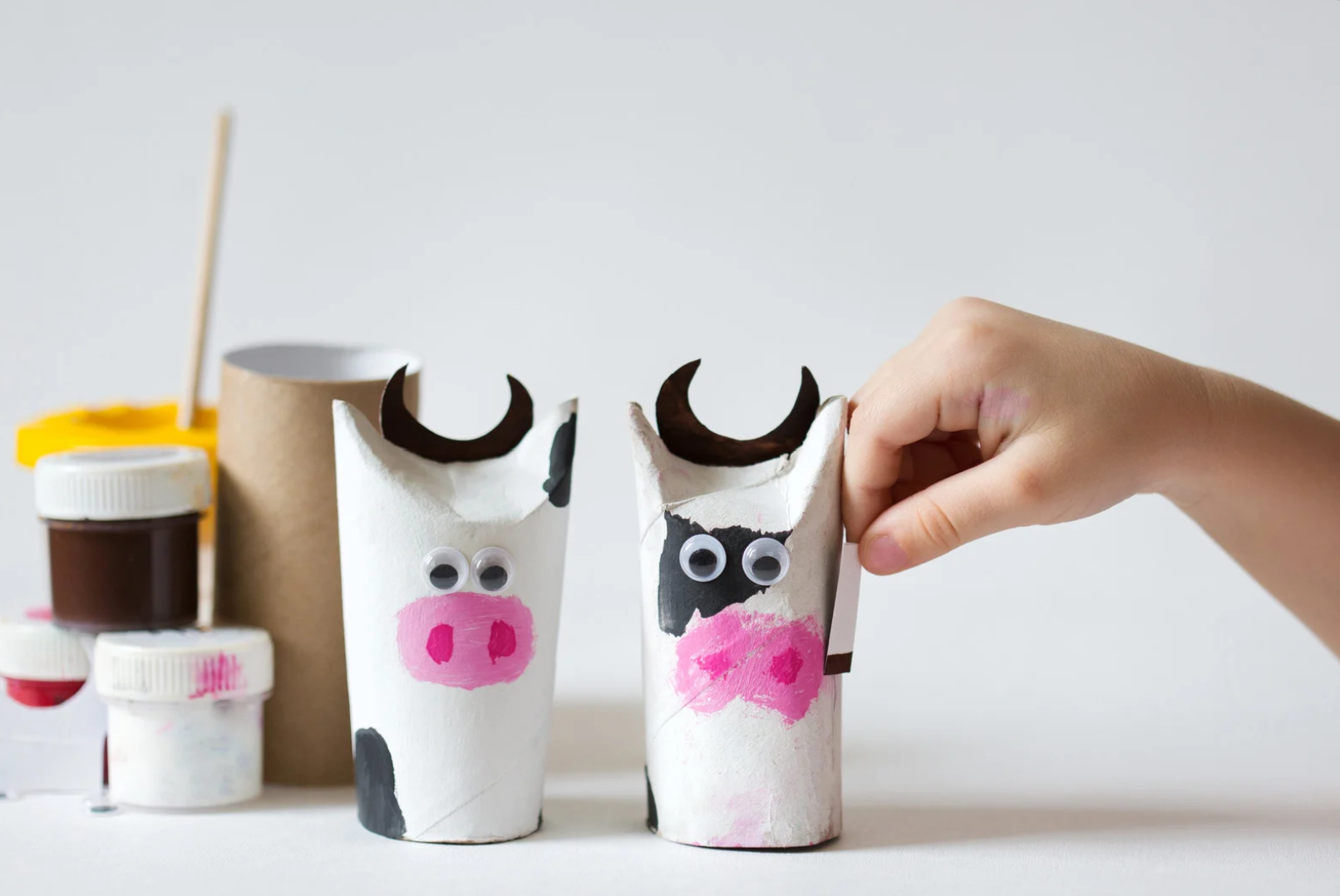
Parenting is full of moments that can feel rushed and chaotic, but it’s also filled with tiny opportunities to teach children mindfulness, creativity, and eco-conscious living. One of the simplest ways to combine these lessons is by using everyday recyclable materials or “trash” for fun, educational activities that encourage presence and sustainability.
From sensory play with babies to arts and crafts for older kids, these activities help children explore, create, and connect with nature and the world around them — all while learning to value resources and reduce waste. Here’s a guide to easy, age-appropriate mindfulness activities using recyclables, complete with tips and ways to tie these activities to eco-friendly habits.
To read more about how mindfulness and sustainability connect, read Mindful and Sustainable Living: A Path to Better Mental Health.
🌿 Babies (0–2 Years): Mindful Sensory Play
Even the youngest family members can begin learning mindfulness through simple sensory experiences. Using everyday items, babies can explore texture, sound, and movement in ways that teach attention and curiosity.
1. Sensory Bottles: Calm Observation in a Bottle
Materials: Clear plastic bottles, rice, beans, pasta, water, glitter, or small, safe items.
How to do it:
- Fill a bottle with assorted items and seal tightly.
- Shake, roll, or swirl the bottle together with your baby.
- Talk through what they see and hear: “The rice makes a soft sound. Look at how the colors spin!”
Mindfulness Tie-In: This activity teaches babies to focus on one thing at a time, notice movement and sound, and develop early attention skills.
I remember making a glitter bottle for my daughter when she was 8 months old. Watching her eyes widen as the colors swirled taught me just how captivating a simple, mindful moment can be — even in chaos.

2. Crinkly Sound Play: Listening with Awareness
You’d be surprised at how simple everyday items will entertain a baby more than any flashy toy at a young age. Skip the electronic toys and aim for open ended play items like wooden figurines or simply use these everyday items.
Materials: Clean chip bags, foil, or paper scraps.
Activity: Let babies crinkle and explore under supervision. Encourage slow listening: “Do you hear that crackle?”
Mindfulness Tie-In: Crinkly sounds help babies notice differences in sound, building auditory awareness while offering a soothing sensory experience.
Sustainability Note: Reuse packaging that would otherwise be thrown away, teaching kids from the start that materials can have a second life.
🌿 Toddlers (2–4 Years): Focus, Rhythm, and Sorting
Toddlers are naturally energetic, curious, and hands-on learners. Activities that combine mindfulness and recycling help them practice patience, focus, and problem-solving while being playful.
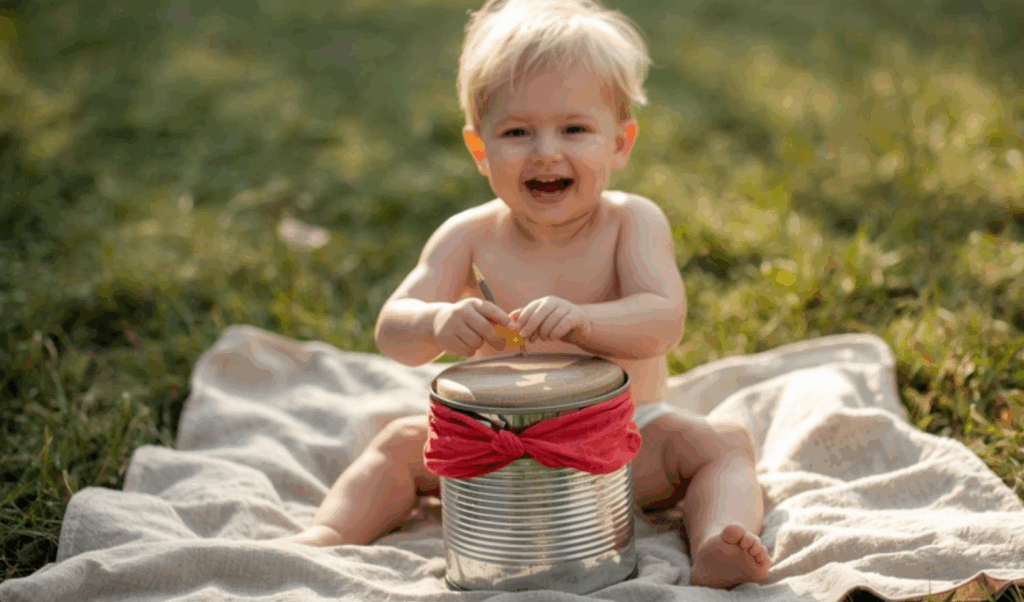
3. Recycled Drums: Mindful Rhythm
Materials: Empty oatmeal canisters, coffee tins, or cardboard boxes.
Activity:
- Cover tins with a piece of paper or fabric to make drumheads.
- Give toddlers a spoon or use hands to play.
- Clap slowly together and encourage listening to the fading sounds.
Mindfulness Tie-In: Slow rhythm teaches breath awareness, focus, and emotional regulation — skills toddlers can carry into daily life.
4. Sorting Game: Colors, Shapes, and Calm
Sorting is a great mindful activity that helps young brains to recognize patterns, similarities, and differences in objects. It’s super easy to find a few objects that are similar in some way and set up a fun sorting game for your baby or toddler.
Materials: Bottle caps, cartons, cardboard boxes, paper scraps.
Activity:
- Sort recyclables by color, shape, or size.
- For extra fun, turn it into a scavenger hunt around the house.
Mindfulness Tie-In: Sorting encourages deliberate choices and focus on a single task. Pause between items and talk about textures or colors.
Sustainability Note: Sorting also introduces toddlers to basic recycling habits, making eco-consciousness part of daily life.
My daughter loves sorting various caps that I had saved by color. What started as a simple game turned into 10 minutes of calm focus for both of us — a small pocket of mindfulness in our busy mornings.
🌿 Kids (5+ Years): Creativity, Nature, and Reflection
Older kids can handle more complex projects and begin learning cause-and-effect, delayed gratification, and mindfulness through creation.
5. DIY Bird Feeders: Connecting Mindfulness with Nature
Materials: Toilet paper rolls, peanut butter (or sunflower butter), birdseed.
Activity:
- Coat the rolls in peanut butter and roll in birdseed.
- Hang them outside and observe quietly.
Mindfulness Tie-In: Watching birds eat encourages patience and observation, grounding kids in the present moment.
Sustainability Note: Reuses cardboard and supports local wildlife.

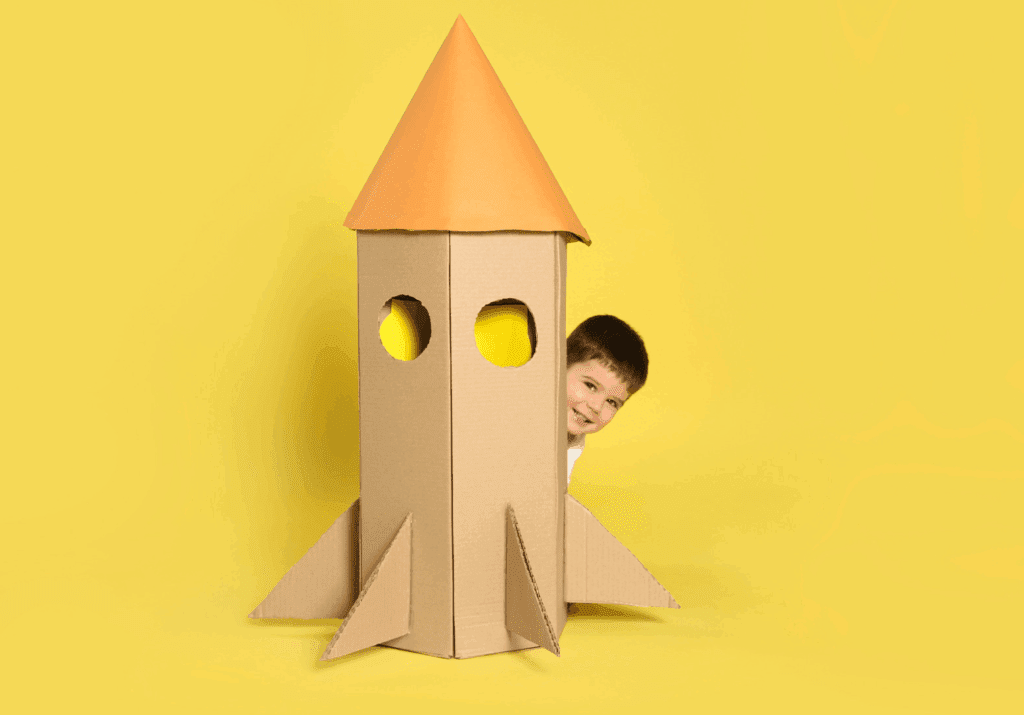
6. Cardboard Creations: Mindful Building
Materials: Large boxes, tubes, cartons, packing materials, masking tape, markers, and stickers.
Activity: Build forts, dollhouses, garages for toy cars, or even imaginative vehicles like rockets, trains, or castles. Encourage deliberate, slow design—let your child plan and assemble at their own pace rather than rushing through the project.
Mindfulness Tie-In: Focused construction fosters patience, problem-solving, and creative presence. As your child carefully measures, folds, and connects pieces, they’re practicing attention to detail, spatial reasoning, and persistence—all key skills for mindful development.
💡 Tips to Enhance the Experience:
- Narrate the process gently: “I see you’re carefully stacking those boxes—look at how stable your tower is becoming.”
- Ask open-ended questions: “What could we add to make your castle stronger?” or “How does your space rocket need to move next?”
- Celebrate effort, not perfection: Praise the thought and planning rather than the end product.
Example from Our Home:
We used leftover boxes to create a “space rocket” fort. My daughter spent 30 minutes arranging and rearranging, deciding where the windows and doors should go. She was calm, engaged, and proud of her design—and I realized that slow, mindful play builds confidence, creativity, and satisfaction. Even simple cardboard becomes a tool for exploration, focus, and mindful presence.
Extra Ideas:
- Incorporate quiet music or nature sounds to heighten the calming, mindful atmosphere.
- Create themed challenges (“Can we make a bridge strong enough for a toy car to cross?”).
- Use recyclable scraps to add “furniture” or “decor” inside forts and houses.
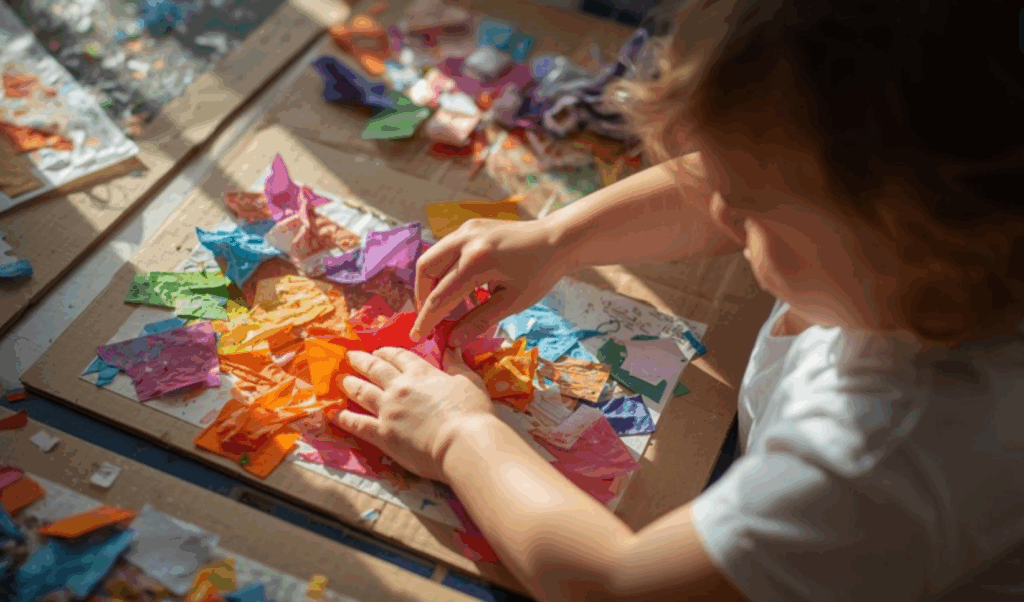
7. Trash-to-Treasure Art: Creative Expression
Materials: Old magazines, bottle caps, paper scraps, fabric pieces, buttons, yarn, natural items like leaves, sticks, or flowers, glue, and scissors.
Activity: Create collages, sculptures, or mixed-media art. Let your child experiment freely with arranging, layering, and combining materials. Emphasize the process over the final product—the goal is mindful creation, exploration, and sensory engagement.
💡 Tips to Enhance the Experience:
- Offer open-ended prompts: “What can we make with these bottle caps?” or “How could we use these leaves in our picture?”
- Encourage slow, deliberate movements: flipping pages, tearing paper carefully, arranging shapes thoughtfully.
- Celebrate creativity and experimentation rather than perfection: praise curiosity and choices, not symmetry or polish.
Mindfulness Tie-In:
Notice textures, colors, and shapes as you work together. Ask reflective questions:
- “How does this fabric feel in your hands?”
- “What do you like most about the colors you chose?”
- “Which part of your sculpture makes you happiest?”
These questions guide children to focus on the present moment, strengthen observation skills, and cultivate a sense of pride and ownership in their creations.
Sustainability Note:
Repurposing materials reduces waste and demonstrates the value of rethinking what might otherwise be discarded. Children learn that everyday objects can be transformed into something beautiful or functional, reinforcing lessons about resourcefulness, environmental responsibility, and mindful consumption.
Example from Our Home:
We gathered old magazines, scraps of fabric, and bottle caps to make a “treasure garden” collage. My daughter carefully glued items in layers, paused to examine colors and textures, and even rearranged a few pieces when she felt inspired. She was calm, focused, and proud of her creation—and I loved seeing how mindful art could transform simple materials into a moment of joy and creativity.
Extra Ideas:
- Display finished pieces on a “mindful art wall” to celebrate effort and creativity.
- Introduce a “theme of the week” (nature, space, animals) to spark creativity.
- Combine found objects with natural materials like leaves or pebbles for sensory richness.
🌿 Family Mindfulness & Sustainability Rituals
8. Family Recycling Station: Hands-On Learning
- Set up a station where kids can sort and organize recyclables daily.
- Add mindfulness cues: take a deep breath, notice the items, and place them carefully.
- Builds eco-conscious habits and encourages a mindful approach to daily chores.
9. Gratitude for Materials: Mindfulness in Action
- Before reusing or recycling, say a simple “thank you” to the item.
- Example: “Thank you, jar, for holding our pasta. Now you’ll become a pencil holder.”
- Reinforces appreciation and presence, connecting mindfulness and sustainability.
🌎 Additional Tips for Parents: Making Mindful & Eco-Friendly Play Easy
If you’ve ever found yourself staring at a pile of recyclables and wondering, “Is this clutter or creativity waiting to happen?” — you’re not alone. With a little preparation and a mindful approach, those jars, boxes, and scraps can become tools for connection, learning, and sustainable fun.
🧼 Mindful Materials Prep
Before jumping into a project, take a few minutes to wash and dry any recyclables you plan to use. Not only does this keep activities safe and sanitary, but it also gives you a chance to model mindfulness in everyday routines: slowing down, noticing what you’re doing, and turning even “chores” into moments of presence. You might even invite your toddler to help rinse lids or sort jars by size — little tasks that build ownership and excitement.
Keep a small stash of clean recyclables in a basket or bin so you’re always ready for spontaneous creative play. When a rainy afternoon hits or your child needs a screen-free reset, you’ll have everything on hand for a mindful project.
🎨 Eco-Friendly Supplies that Spark Creativity
The best art supplies don’t need to come wrapped in plastic. Reuse old magazines for collages, scrap paper for doodles, or cardboard boxes for forts and play kitchens. Jars can become vases for wildflowers after a mindful walk, and fabric scraps can transform into doll blankets or pretend capes.
If you’d like to add to your supply shelf, seek out eco-conscious options like biodegradable glue sticks, recycled crayons, or natural plant-based paints. These not only reduce waste but also allow your child to create freely without the worry of toxic ingredients. Each tool becomes a small reminder that art and play can be both joyful and gentle on the planet.
💛 The Mindful Parenting Benefits
When we choose recyclables over screen time, we’re offering our kids more than just crafts — we’re giving them the gift of presence and connection. Sitting side-by-side at the table, tearing, gluing, or painting together, you create opportunities for conversation, shared laughter, and little discoveries.
Even more, these activities plant seeds of eco-consciousness that can last a lifetime. When children grow up learning that “trash” can become treasure, they start to see the world differently — with more creativity, responsibility, and gratitude.
In short, mindful crafting with recyclables isn’t just good for the earth. It’s good for your family’s heart.
For more resources check out the Greater Good Science Center For Parents and Families.
🌟 Conclusion: Mindfulness + Sustainability in Everyday Life
Mindfulness and sustainability aren’t just activities — they are lifelong habits. By integrating simple projects with recyclable materials into your family’s routine, you’re teaching children to:
- Notice the present moment.
- Appreciate the resources around them.
- Reduce waste and value sustainability.
- Find calm and joy in creativity.
Even 5–10 minutes a day of mindful play, sorting, or creation can transform family dynamics, reduce stress, and spark curiosity.
So gather your recyclables, take a slow breath, and choose an activity to try this week. Whether it’s a sensory bottle for a baby, a DIY bird feeder with a preschooler, or a cardboard fort with an older child, you’re nurturing mindful, eco-conscious kids — and a calmer, happier family.
Check out these other articles and resources to continue your mindful and sustainable journey:


Hi, I’m Christine — a nature-loving mom on a journey to live more sustainably and mindfully.
Through the ups and downs of parenting, I’ve found peace in mindfulness, meditation, and conscious living. Now, I share simple tips for mindful parenting, sustainable choices, and creating a sense of calm in everyday family life.
7 Responses
[…] a long way toward reducing waste while adding function and fun to your home. Check out my post on Easy Mindful & Sustainable Activities for Babies, Toddlers, and Kids Using Recyclables for more […]
[…] For more ideas, check out my post on Easy Mindful & Sustainable Activities for Kids Using Recyclables. […]
[…] Check out this post on Easy Mindful & Sustainable Activities for Babies, Toddlers, and Kids Using Recyclables […]
[…] Activities for Parents & Kids: Simple, Sustainable Ways to Bring Calm Into Everyday Life🌱 Easy Mindful & Sustainable Activities for Babies, Toddlers, and Kids Using RecyclablesHow to Handle a Strong-Willed Toddler Mindfully: A Complete Guide10 Easy Mindful Habits for Busy […]
[…] 🌱 Easy Mindful & Sustainable Activities for Babies, Toddlers, and Kids Using RecyclablesGuided Mindfulness Activities for Kids & Parents: Simple Ways to Bring Calm into Everyday Life […]
[…] Baby FoodThe Ultimate Guide to Baby Food Purees: Yields, Prep Tips, and Safe Homemade Recipes🌱 Easy Mindful & Sustainable Activities for Babies, Toddlers, and Kids Using Recyclables15 Easy Sustainable Swaps for ParentsHow to Avoid Heavy Metals & Microplastics in Baby […]
[…] Ideas for Kids That Spark Joy (Not Waste)10 Surprising Sustainable Habits You Didn’t Know About🌱 Easy Mindful & Sustainable Activities for Babies, Toddlers, and Kids Using RecyclablesDIY Advent Calendar Ideas for a Meaningful Holiday Season15 Easy Sustainable Swaps for […]