It seems like the world is shifting toward more sustainable and eco-friendly options, which is great for the environment. However, going fully eco-friendly can feel overwhelming and expensive, especially if you have your “go-to” items that work well for your family. The good news? A few small sustainable swaps—even occasional ones—can make a big difference and help foster a more sustainable lifestyle. Plus, teaching our children these best practices will have a lasting impact over time!
Parenting sustainably doesn’t have to feel overwhelming. Small, intentional swaps in your daily routines can reduce waste, save money, and set a positive example for your children. In this guide, we’ll explore practical and realistic sustainable swaps for parents that make a meaningful difference without adding extra stress to your busy life. Each swap is backed by simple reasoning, so you’ll understand not just what to do, but why it matters.
This list includes the first few changes I made when I wanted easy swaps that weren’t “all-or-nothing.” These easy swaps are simple, cost-effective, and family-friendly. Let’s dive in!
Easy Sustainable Swaps in the Kitchen
Trying out new products can be exciting, and these eco-friendly swaps in the kitchen are both fun and practical. I had already heard of these options and was eager to see how they worked for my family. Here’s what I found:
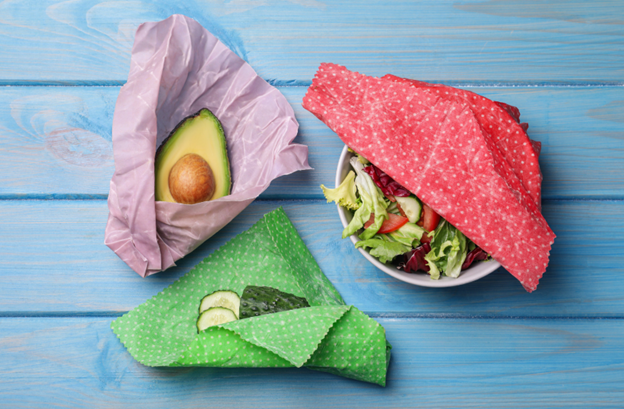
- Replacing plastic wrap with beeswax wraps (image above)
- Beeswax wraps are a natural, reusable alternative to single-use plastic wrap. They’re perfect for covering bowls, wrapping sandwiches, or storing fruits and vegetables. Made from cotton infused with beeswax, they’re biodegradable and help reduce plastic waste in your home. Simply wash them with cool water and mild soap after use, and they can last up to a year. They’re a small change that makes a big environmental impact.
- Using reusable silicone snack bags instead of plastic ones
- Reusable snack bags are a simple way to cut down on plastic waste. They’re perfect for school lunches, on-the-go snacks, or even storing leftovers. While the initial investment is slightly higher than disposable bags, they last for years and save money in the long term. Make it fun for kids by choosing colorful or patterned options they’ll enjoy using.
- Switching to reusable Swedish dishcloths
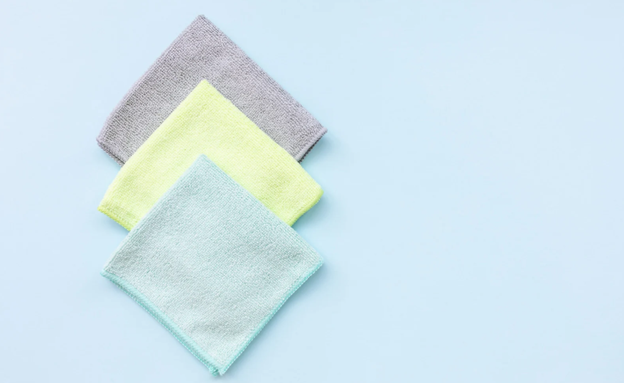
- Swedish dish cloths are an eco-friendly replacement for paper towels. Made from a blend of cellulose and cotton, they’re super absorbent, durable, and can be washed and reused dozens of times. Using these cloths can drastically cut down on paper waste and save money over time. They’re also biodegradable, so at the end of their life cycle, they’re much gentler on the environment than traditional disposable options.
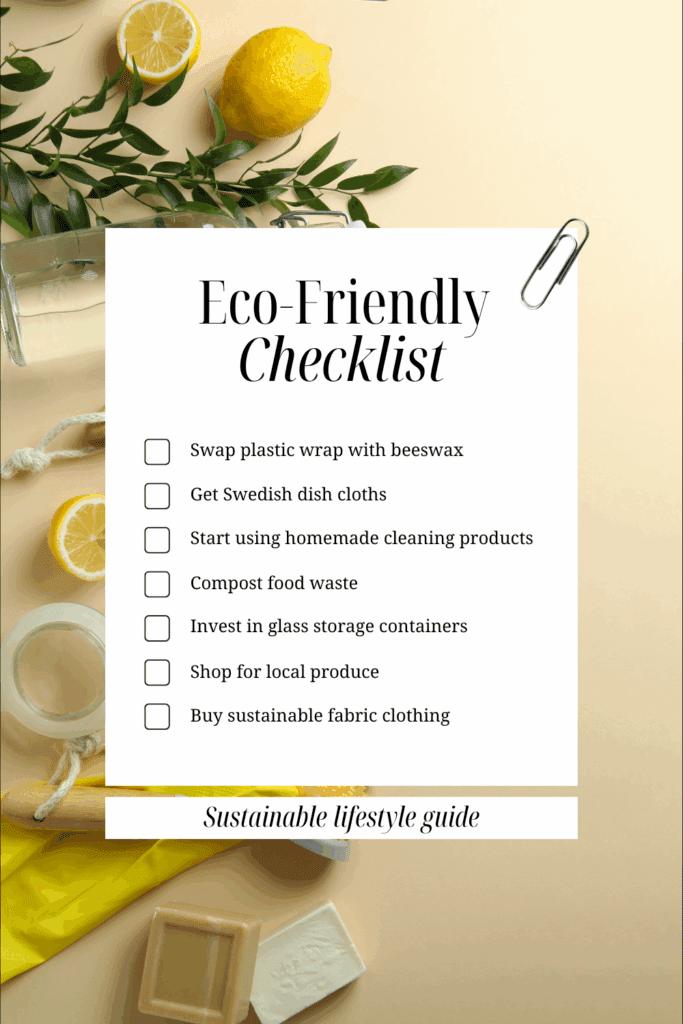
Using beeswax wraps made me feel like I was saving the world—dramatic, but true! Plastic wrap was a big issue in our house, and I was excited to make the switch. While beeswax wraps do work, they aren’t perfect for everything. My recommendation? Use them as covers for dishes instead of plastic wrap, for fruit halves (like apples or lemons), and for wrapping hard cheeses. They do require a little extra care—washing them gently in cool water instead of hot—but they’re a solid swap!
For other foods, snacks, or sandwiches, reusable silicone snack bags worked much better. They’re easy to wash, heat-resistant, and freezer-friendly! Even using these occasionally instead of plastic bags is a big win. If you have kids, they’re great for packing snacks on the go. Check out my post on sustainable containers and pouches for more insights!
Swedish dishcloths seemed to be everywhere—I kept seeing ads and even spotted them at a conference booth. With a toddler running around, we go through a lot of paper towels, so I wanted to give these a try. I put one in my kitchen for wiping counters and another in my bathroom for cleaning mirrors and counters. Honestly? This has been my favorite swap so far! I still use paper towels more than I should, but I’m working on relying more on my Swedish dishcloths. One small downside is that they become stiff when dry, so I have to wet them before use. Not sure how they’d handle big spills, but I usually grab a cloth towel for that anyway.
Eco-Friendly Swaps for Cleaning
Conventional cleaning products often contain harsh chemicals that can harm the environment and your family’s health. Swapping to plant-based or biodegradable cleaners helps reduce chemical runoff into waterways and keeps your home safer for children and pets. Many eco-friendly brands are comparable in price to traditional products, and you can even make DIY cleaners from simple ingredients like vinegar, baking soda, and lemon juice.
- Reusable Cleaning Cloths Instead of Disposable Wipes
- Reusable cleaning cloths are a sustainable alternative to disposable wipes and paper towels. Made from durable fabrics like microfiber or cotton, they can be washed and reused hundreds of times, reducing waste and saving money. Perfect for wiping counters, dusting, or cleaning up spills, these cloths make everyday cleaning eco-friendly without compromising effectiveness. Simply toss them in the laundry after use and they’re ready to go again.
- Refillable Cleaning Solutions Instead of Single-Use Bottles
Refillable cleaning solutions help cut down on plastic waste by letting you reuse the same spray bottle multiple times. Many eco-friendly brands offer concentrated refills or bulk options, so you only need a few bottles for all your cleaning needs. This not only reduces your household’s environmental footprint but often costs less in the long run. Pairing a refillable solution with reusable cleaning cloths makes your cleaning routine both sustainable and efficient.
I’m new to refillable cleaning products, but I love the concept: you buy a plastic spray bottle once, then refill it with concentrated tablets mixed with water. Pretty genius if you ask me. Some companies (thegoodfill.com) even offer a pouch return service for refill pouches.
Personally, I make my own homemade cleaner using a repurposed spray bottle. My go-to mix? A 50/50 blend of water and vinegar with two pumps of dish soap. I use this for everything—counters, windows, floors, etc. My mop has a refillable container, so I pour the same solution in for floor cleaning. I also add orange or lemon essential oils for a fresh scent.
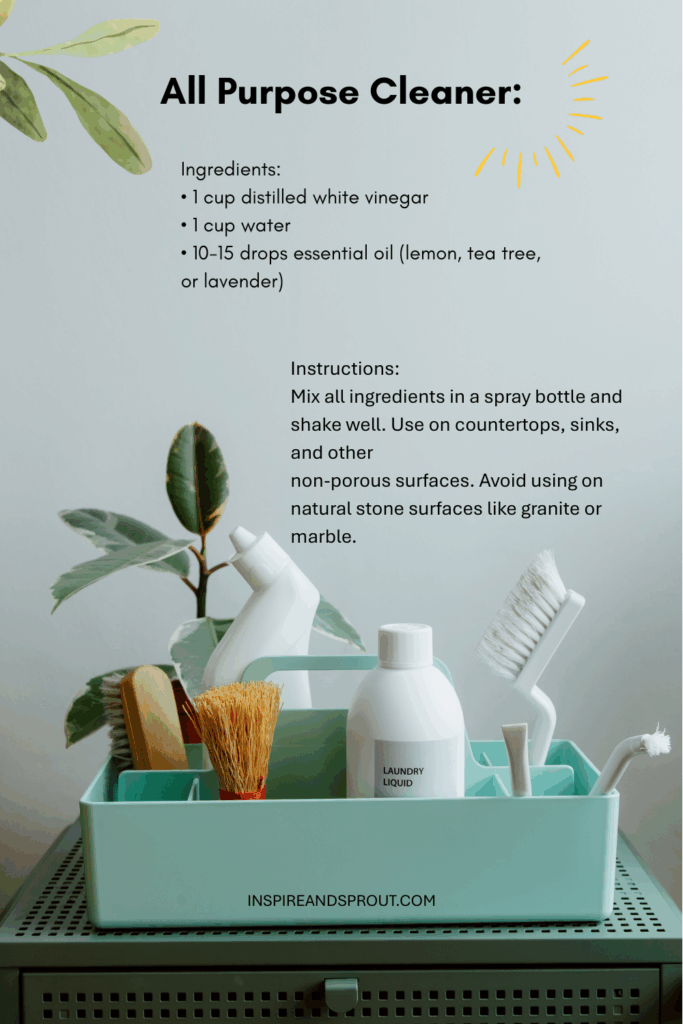
If you’re looking to cut down on paper towel use like I am, washable cleaning cloths are a great alternative. Keep them near where you usually reach for paper towels so they’re easy to grab. Check out reusable paper towels from ZeroWasteStore—they’re a great place to start!
Now, let’s talk trash bags. Compostable, biodegradable, or recycled plastic—what’s best? This one really stumped me when I started looking into it because it ultimately depends on where your trash ends up. Many compostable bags are designed for commercial composting facilities and won’t break down in a landfill or home compost. I learned this the hard way after waiting a year for mine to decompose in my compost pile—spoiler alert: they didn’t. If you are using compostable bags for your at-home compost bin be sure it is suitable for home composting like these.
Biodegradable bags also require specific conditions that landfills don’t provide. If your trash is going to a landfill, bags made from recycled plastic are the better option, as they reduce new plastic production without the issues of compostable bags.
For those with composting services in their city, compostable bags might still be worth using for food scraps! Just check if your local program accepts them.
Easy Sustainable Swaps for Baby & Toddler Products
As kids grow, they quickly outgrow toys and clothes, making sustainable choices in these areas a no-brainer.
- Toys: Opt for wooden or recycled plastic toys over conventional plastic ones. I love finding great items on Facebook Marketplace or at local kids’ consignment stores. For birthdays and baby showers, I always encourage previously loved gifts!
- Clothing: The local consignment store is going to be key here, too. If buying new, choose organic cotton over fast fashion. It lasts longer and is better for your child’s skin.
- Electronic Toys: I learned the hard way that most electronic toys don’t engage toddlers for long. My 18-month-old preferred open-ended play with wooden stackers or animal figurines over flashy electronic toys.
- Diapers: I never fully committed to cloth diapering (which is the most eco-friendly option), but I did try biodegradable diapers. While they still take up to 50 years to decompose, that’s better than the 500 years for traditional ones!
Baby Wipes: Switching to reusable wipes or compostable options is another simple way to reduce waste. Some brands make plant-based wipes that biodegrade faster than standard ones.
If you have a baby, don’t miss my How to Reduce Waste with Homemade Baby Food post!
Eco-Friendly Swaps for a Low Waste Lifestyle
These simple swaps are easy to incorporate into daily life if you haven’t already:
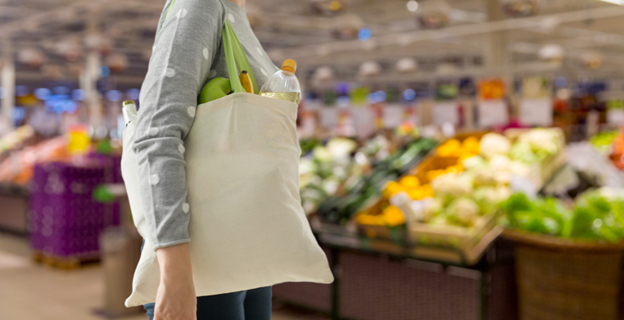
- Reusable Shopping Bags: Don’t stress if you forget them at first! Keep them in your car trunk, and over time, it’ll become second nature. I even received insulated, zippered ones for Christmas, and they’re my favorite!
- Meal Prep and Zero Waste Cooking: Planning meals and prepping in advance not only saves time but also helps reduce food waste. Using reusable containers, composting scraps, and buying ingredients in bulk are all ways to make mealtime more sustainable. Consider teaching children small tasks in meal prep, like washing vegetables or portioning snacks, to make sustainability a shared family activity.
- Reusable Water Bottles: If you’re always thirsty like me, bringing water everywhere is a must. Invest in a quality stainless steel or glass bottle and consider a home water filter.
- Bar Shampoo/Conditioner: This is a new swap I’m trying. It’s an easy way to cut down on plastic waste over a lifetime of hair washing, so why not give it a shot?
- Toothpaste Tablets: Instead of plastic toothpaste tubes, these small dissolvable tablets are a great option. I wasn’t sure about the texture at first, but after a few uses, they felt completely normal!
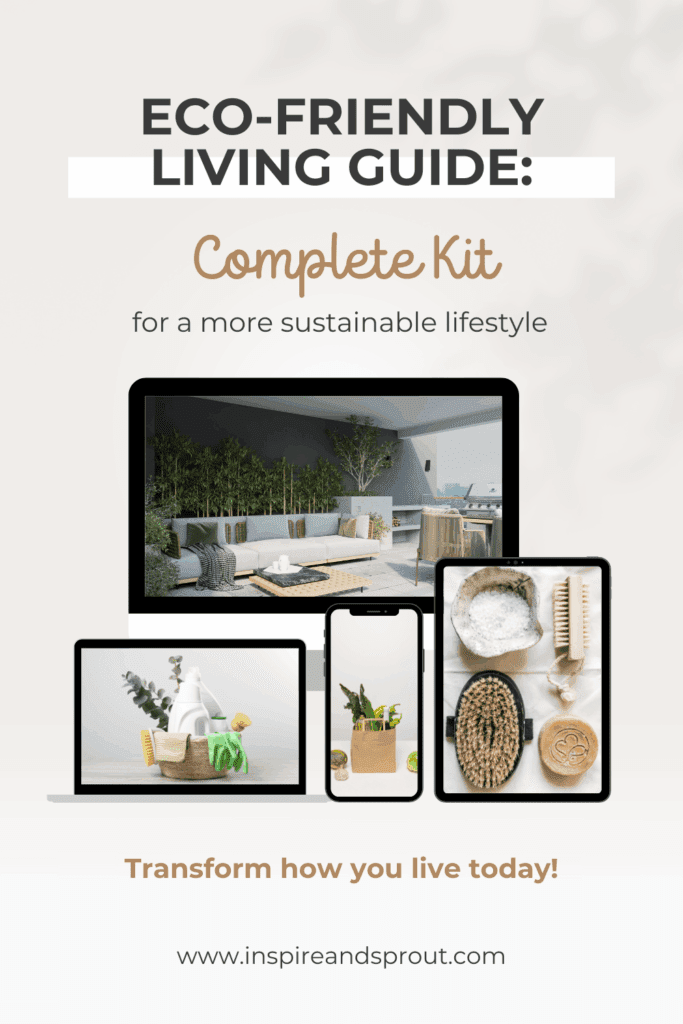
For a complete guide to a more sustainable lifestyle with actionable steps, illustrations, and chemical free cleaning recipes, check out my Eco-Friendly Family Starter Kit.
Small Change, Big Impact
“The smallest deed is better than the grandest intention.” – Unknown
This quote perfectly sums up my approach to sustainable living. We all want to do better, especially for our children, but it’s the small actions that truly make a difference. Try incorporating one or more of these swaps into your daily routine and let me know in the comments how they work (or don’t work!) for your family.
Sustainable parenting is a journey, not a one-time checklist. Start with one or two swaps that feel manageable and gradually add more as you go. Share your favorite sustainable swaps in the comments below or on social media using #SustainableParenting. Together, small changes can make a big difference for your family and the planet.
📩 Join our Community! Stay Connected with mindful living and sustainability by signing up for our newsletter. Each month, we send out a free eco-friendly and mindful calendar with easy, actionable prompts to help you live more consciously and sustainably. Plus, get access to other helpful tips, updates, and resources!
Check out these other articles and resources to continue on your mindful and sustainable journey:

Hi, I’m Christine — a nature-loving mom on a journey to live more sustainably and mindfully.
Through the ups and downs of parenting, I’ve found peace in mindfulness, meditation, and conscious living. Now, I share simple tips for mindful parenting, sustainable choices, and creating a sense of calm in everyday family life.
9 Responses
[…] Easy Sustainable Swaps for Parents […]
[…] Easy Sustainable Swaps for Parents […]
[…] Easy Sustainable Swaps for Parents […]
[…] Surprising Sustainable Habits You Didn’t Know About15 Easy Sustainable Swaps for ParentsHow Mindful Parenting Can Change Your Life10 Sustainable Gift Ideas for Kids That Spark Joy (Not […]
[…] Mindful Parenting Can Change Your LifeEasy Sustainable Swaps for ParentsGuided Mindfulness Activities for Parents & Kids: Simple, Sustainable Ways to Bring Calm Into […]
[…] Mindful Parenting Can Change Your Life15 Easy Sustainable Swaps for ParentsUltimate Guide to Eco-Friendly Baby Meal Prep (Sustainable & Easy!)The Ultimate Guide to Baby […]
[…] Mindful Parenting Can Change Your Life15 Easy Sustainable Swaps for ParentsHow to Handle a Strong-Willed Toddler Mindfully: A Complete Guide10 Easy Mindful Habits for Busy […]
[…] zero-waste lifestyle tips for families: see our recent post Easy Sustainable Swaps for Parents on Inspire & […]
[…] Family Living: Your Complete Starter Kit for a Greener, Healthier Home15 Easy Sustainable Swaps for ParentsGuided Mindfulness Activities for Kids & Parents: Simple Ways to Bring Calm into Everyday […]