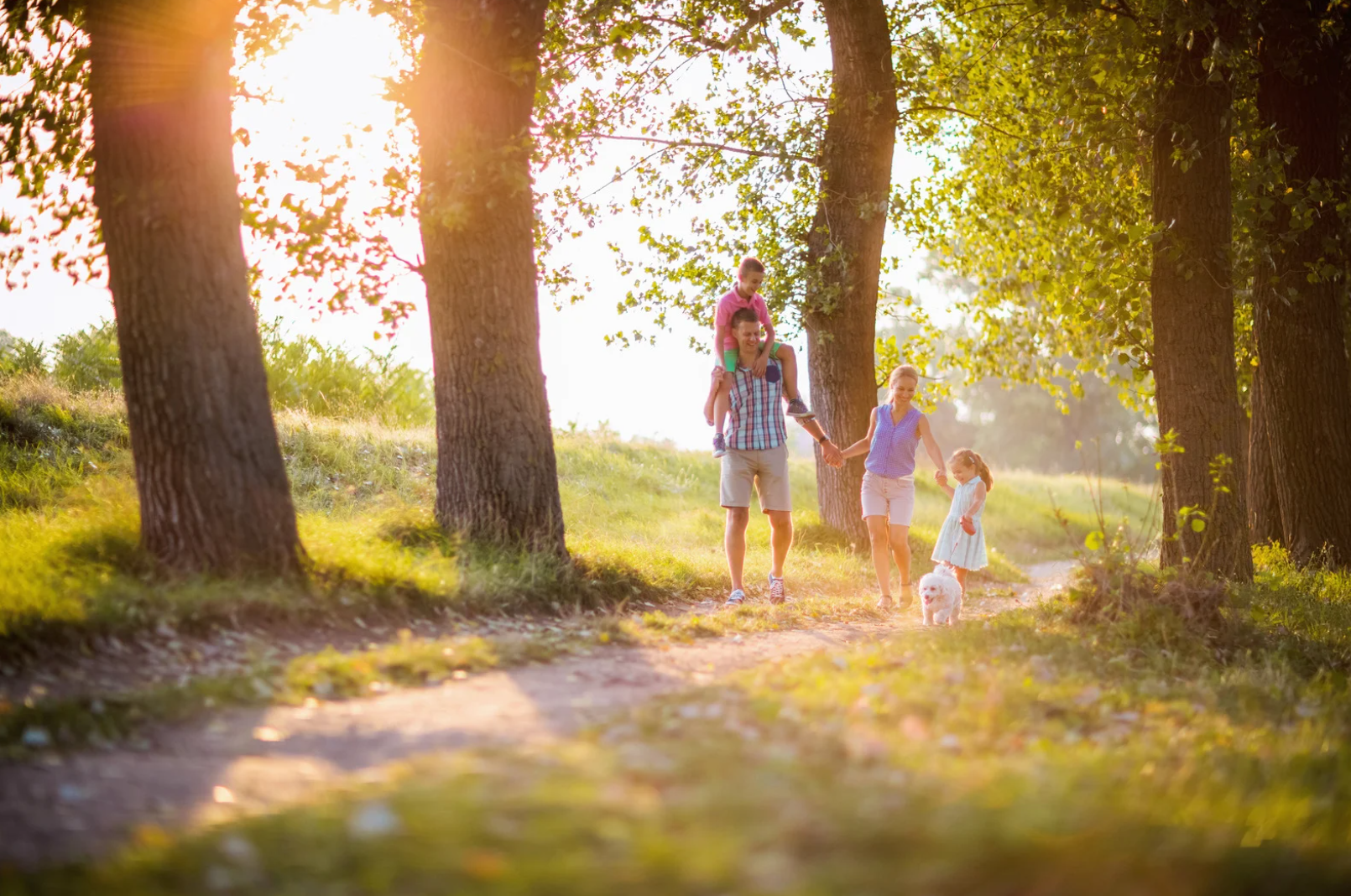
Parenting is beautiful, messy, exhausting, and full of little moments we don’t want to miss. Between tantrums, to-do lists, and endless multitasking, it can feel like we’re rushing through the very years we’ll someday long to revisit. That’s where mindfulness comes in.
Mindfulness isn’t about sitting perfectly still on a cushion or meditating for hours — especially not when you have little ones. It’s about noticing the present moment, finding calm in the chaos, and teaching our children to do the same. Even better? When we bring mindfulness into everyday family life, it naturally overlaps with sustainable living — slowing down, consuming less, and appreciating more. Check out my post on Mindful and Sustainable Living: A Path To Better Mental Health to understand the link between these two more.
In this guide, you’ll find practical, kid-friendly mindfulness activities for babies, toddlers, and kids that are simple enough for busy parents yet powerful enough to make a lasting impact. Let’s dive in!
🌿 Activity 1: Mindful Nature Walks
What it is: A slow, intentional walk where you and your child tune into your senses and the world around you instead of rushing from point A to B.
How to do it:
- Babies: Pop your baby in a carrier or stroller and narrate the world around them. “The leaves are green and rustling. I hear a bird singing.” Even before they can respond, they’re learning to pay attention. I would even point out every stop sign and mailbox, fire hydrant and flag and stop to talk about how they look or how they sound when I tap on them/look when they blow in the wind.
- Toddlers: Encourage them to touch bark, smell flowers, or search for bugs. My toddler loves walking out to our mulberry tree during fruit season — she’ll ask to go outside just to pick berries straight from the branch.
- Older kids: Turn it into a mindfulness scavenger hunt — “Can you hear 3 different sounds? Can you find something rough, something smooth, and something soft?”
Why it helps: Nature walks help kids connect with their senses, release energy, and learn awe for the natural world. Studies show time outside reduces stress, improves focus, and nurtures long-term environmental stewardship — making it both a mindfulness practice and a sustainability lesson.
When we planted strawberries and blueberries, I didn’t expect them to become such a mindfulness tool. Watching my daughter squat down, examine a berry, and squeal with delight before popping it into her mouth was a reminder that children naturally slow down — if we let them.
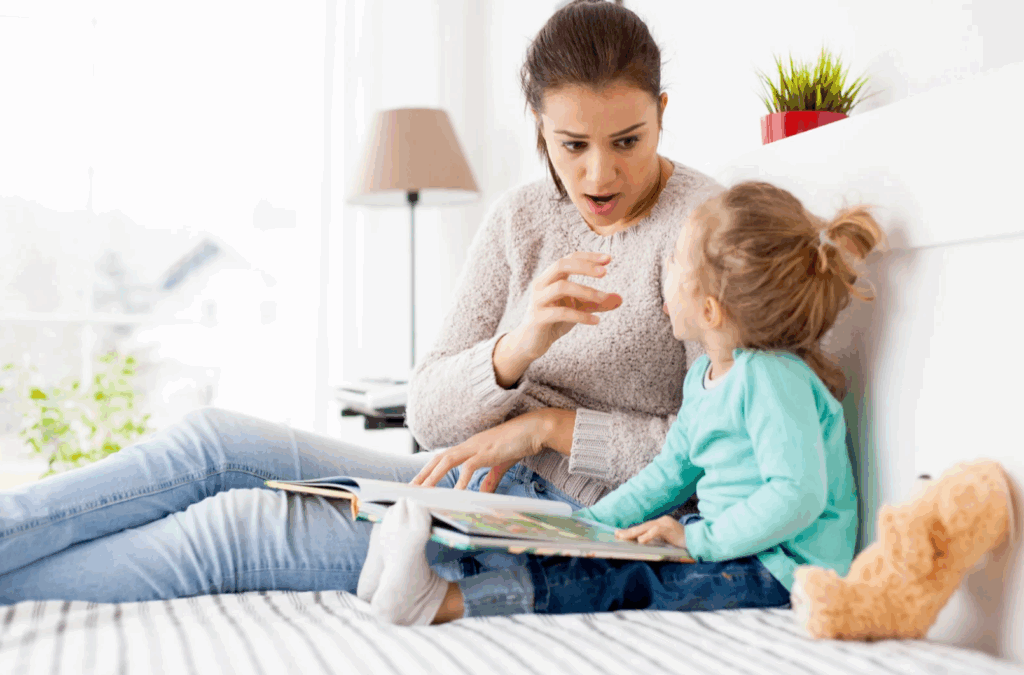
✨ Activity 2: Gratitude Journaling (and Storytelling for Littles)
What it is: A practice of noticing and appreciating the good in life, no matter how small.
How to do it:
- Babies & Toddlers: Narrate gratitude aloud. “I’m grateful for this sunshine.” “I’m thankful for your giggles.” This models positive thinking.
- Preschoolers: Instead of writing, they can draw what they’re thankful for — a favorite toy, a pet, or even a snack.
- Older kids: Encourage a daily journal entry of 3–5 things they’re grateful for. For extra connection, make it a family ritual at dinner or bedtime.
Why it helps: Gratitude journaling rewires our brains to focus on abundance instead of lack. For kids, it helps build resilience, optimism, and awareness of the good all around them. For parents, it shifts the daily mindset from stress to appreciation.
My daughter and I started sharing “happy moments” before bedtime. At first, she’d only say “mama” every night, but over time she added “reading with mommy” or “pancakes for breakfast.” Those small gratitudes reminded me that what feels ordinary to us can feel magical to a child.
🥕 Activity 3: Mindful Eating
What it is: Eating slowly, without distractions, and really noticing each bite.
How to do it:
- Babies: Allow them to explore textures with their hands when trying purees or finger foods. Messy eating is mindful eating.
- Toddlers: Ask simple questions like “What does this taste like? Is it crunchy or soft?”
- Older kids: Encourage slowing down, chewing carefully, and noticing flavors. You can even try a “silent bite challenge” where the whole family eats in quiet for the first few bites, just to notice textures and flavors.
Why it helps: Mindful eating reduces mindless snacking, encourages healthier food choices, and builds lifelong habits of appreciation. For families practicing sustainability, it also helps reduce food waste — kids are more likely to finish what they mindfully enjoy.
Potatoes were one of the first things we grew successfully, and turning them into simple toddler-friendly pancakes was a joy. Watching my daughter bite into something we grew and cooked together slowed me down, too — I found myself appreciating the meal in a new way.
🧘 Activity 4: Breathing Buddies
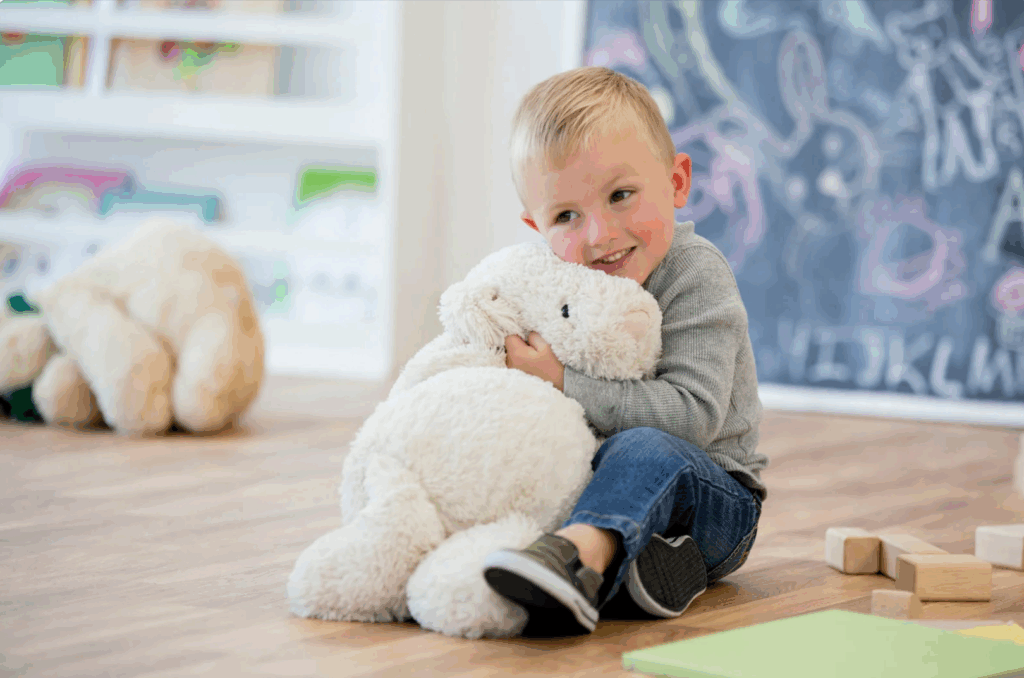
What it is: A playful breathing exercise using a stuffed animal to help kids focus on their breath.
How to do it:
- Have your child lie on their back with a stuffed animal on their belly.
- Ask them to watch the “buddy” rise and fall with each inhale and exhale.
- For toddlers, keep it short (5 breaths). Older kids can do a few minutes.
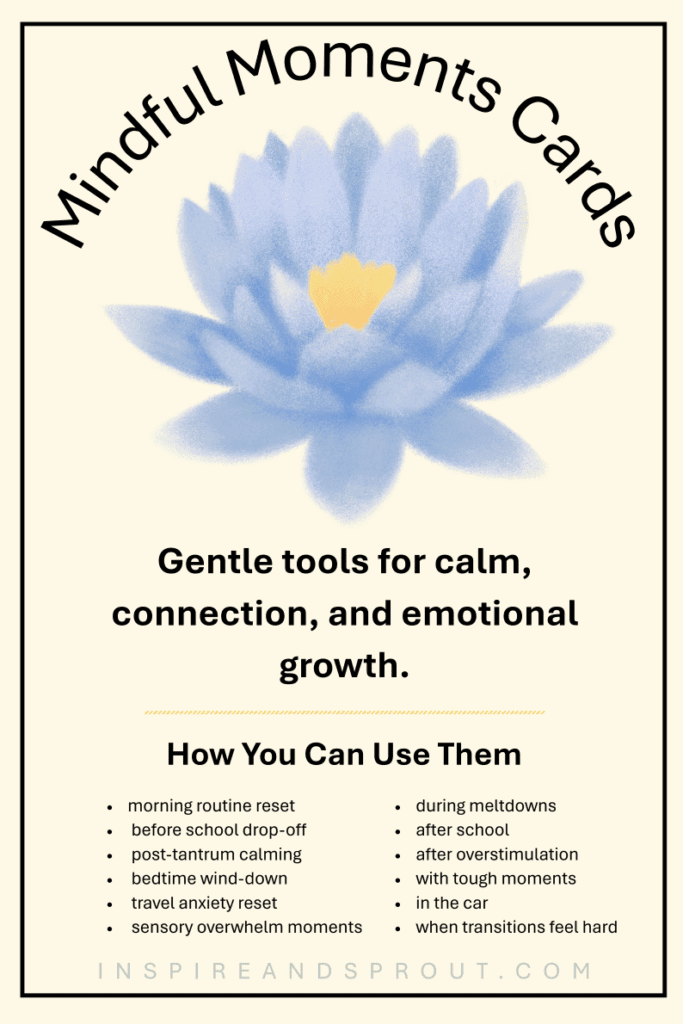
Why it helps: Breathing exercises teach kids to pause, calm their nervous system, and become aware of their bodies. It’s an excellent tool for tantrum recovery or winding down before bed.
Try my 21-Day Mindful Parenting Challenge to easily incorporate mindfulness into every day, and make it a lasting habit!

🎨 Activity 5: Creative Mindfulness Through Art
What it is: Using creativity to bring awareness to the present.
How to do it:
- Toddlers: Finger painting or eco-friendly playdough — focus on textures and colors.
- Preschoolers: Use crayons to draw shapes or mandalas while noticing each line.
- Older kids: Try guided coloring pages or mindful doodling to music.
Why it helps: Creative mindfulness builds focus, encourages self-expression, and reduces screen time. Using eco-friendly art supplies (like beeswax crayons or recycled paper) also ties this practice back to sustainable living.
We once set up a “painting station” on the back porch with just water and brushes on cardboard. My daughter spent 30 minutes painting “rainbows,” fully absorbed. It reminded me how simple mindfulness can be — no fancy tools required.
🌎 Why Teaching Mindfulness to Kids Matters
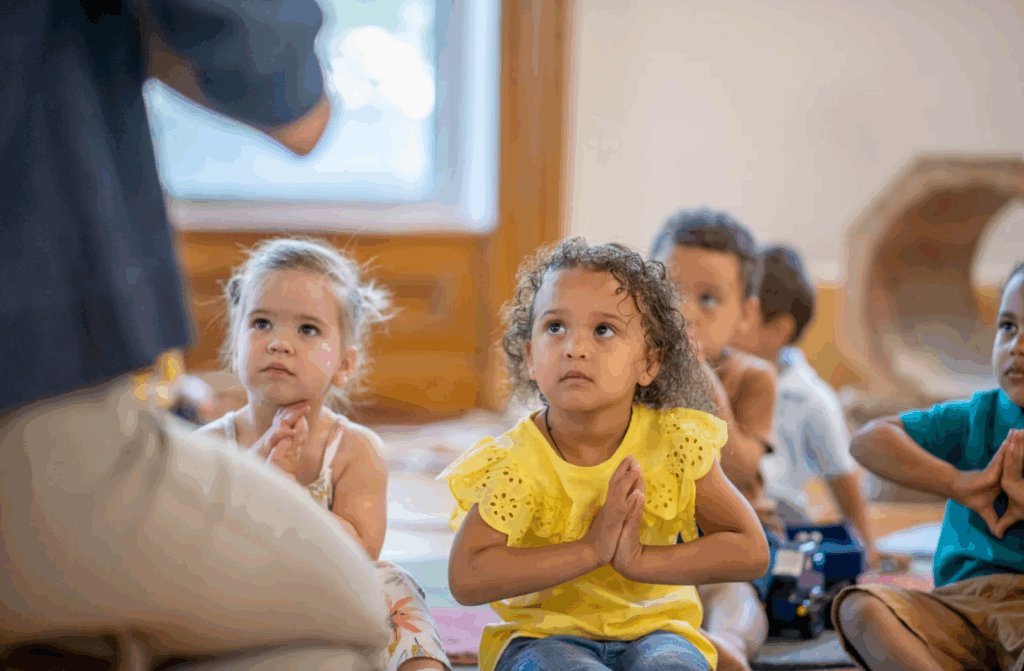
Mindfulness isn’t just about reducing meltdowns (though it helps with that, too). It’s about giving kids tools for life — patience, self-awareness, emotional regulation, and empathy. The earlier we start, the more natural these habits become. If you’re in the middle of tantrums – check out my post on How to Mindfully Handle Meltdowns and Tantrums (Even Under Age 2!).
And here’s the best part: mindfulness and sustainable living overlap. Both teach us to slow down, appreciate the moment, and live intentionally. When kids learn to pause before eating, picking, or consuming, they’re also learning to consume more consciously.
For even more resources, check out Mindful.org and Zero to Three – Mindfulness with Babies and Toddlers.
🌍 Eco-Friendly Tools & Supplies That Support Mindful Moments
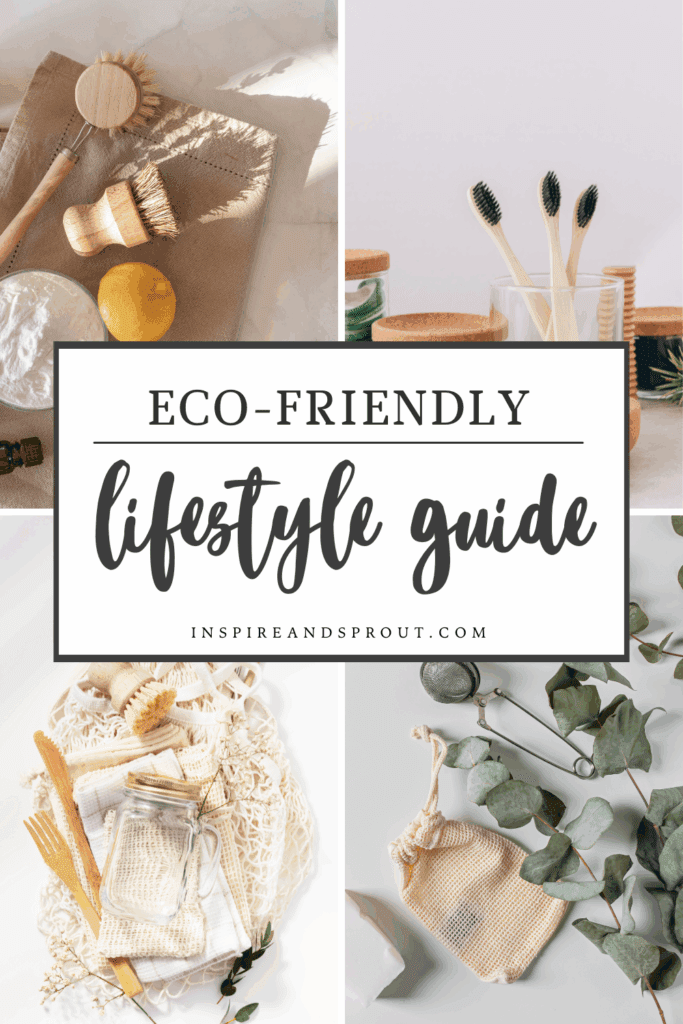
Mindfulness and sustainability naturally support one another. The tools we bring into our homes don’t just shape our environmental footprint — they also create calm, intentional spaces for our children to practice presence. Choosing natural, reusable, and grounding materials makes every activity feel more connected.
Here are a few eco-friendly swaps — and how they tie into mindfulness:
- Biodegradable Seed Trays → Use these for starting a small family garden. As your child presses tiny seeds into soil, guide them to take a slow breath, notice the cool dirt on their fingers, and set an intention for growth. Watching seedlings sprout teaches patience and presence. Check out my post on Easy Homegrown Foods for Babies & Toddlers for growing fruits and veggies at home!
- Reusable Water Bottles → Bring them on mindful walks. Invite your child to pause for a sip, notice how refreshing it feels, and express gratitude for the water. This transforms a simple habit into a grounding moment while avoiding single-use plastics.
- Compostable Art Supplies → Soy-based crayons, recycled sketchbooks, or plant-based paints are perfect for mindful art. Encourage kids to draw what they notice during a walk — a leaf, a cloud, or a bird — and reflect together on their creations.
- Organic & Natural Fibers → Swap synthetic play mats and blankets for calming, natural fabrics:
- Cotton (organic) → Soft, breathable, perfect for baby blankets or cozy mindful corners.
- Linen → Lightweight and grounding, great for mats or curtains.
- Hemp → Durable and eco-friendly, ideal for rugs or toy storage bags.
- Wool → Cozy and regulating, excellent for blankets or weighted lap pads.
- Bamboo → Silky soft and breathable, perfect for swaddles or meditation pillows.
- Jute → Rustic and textured, great for baskets or grounding rugs.
Mindfulness can be as simple as asking your child to notice the textures: the soft cotton, the rough jute, the warm wool. By pairing these sensory experiences with slow breaths, kids learn how to ground themselves in the present moment — while you model sustainable, mindful choices at home.
When your tools are aligned with sustainability and mindfulness, every family activity becomes more intentional. You’re not just crafting art or growing food — you’re modeling a lifestyle where slowing down, noticing, and choosing thoughtfully are everyday practices.
🌱 Batch Cooking & Sustainability Tie-In
One of the simplest and most practical ways to weave mindfulness and eco-friendly living together is in the kitchen. Cooking for babies and toddlers can sometimes feel like a never-ending task, but batch cooking transforms it into a mindful family ritual. It saves time, reduces food waste, and helps you stay grounded in the present moment as you prepare nourishing meals for your little one.
Instead of rushing through meal prep, try to see it as an opportunity: notice the colors of the vegetables, the earthy smell of freshly washed potatoes, the sound of carrots being chopped, or the warmth of baked muffins filling your kitchen. These small details are what make cooking a mindful act, not just another item on the to-do list.
Batch cooking also naturally supports sustainable living:
- Freeze purees in small glass containers → Glass jars or silicone trays can be reused over and over, eliminating single-use plastics and helping you prepare healthy baby meals in advance.
- Bake a big batch of zucchini muffins (naturally sweet, no added sugar) → Store some in the fridge for a few days and freeze the rest for easy grab-and-go snacks. Less packaging, less last-minute stress.
- Make extra potato pancakes or veggie fritters → Refrigerate or freeze for quick toddler lunches. This not only reduces food waste but makes weeknight meals smoother.
- Cook once, enjoy multiple times → A pot of homemade veggie soup or a tray of roasted sweet potatoes can feed the whole family in different ways across the week.
The beauty of batch cooking is that it’s not about perfection. You don’t need fancy containers, complicated recipes, or hours of free time. It’s about slowing down just enough to notice what you’re creating and why: nourishing food for your growing child, prepared with love, care, and respect for the planet.
By practicing mindfulness in the kitchen, you model for your children that food isn’t just fuel — it’s connection. Connection to your family, to the earth that grew it, and to the simple joy of slowing down together.
Try my Eco-Friendly Family Starter Kit to incorporate sustainable living into your every day and make it a lasting habit!
🌟 Conclusion: Start Small, Stay Consistent
You don’t need hours of silence or perfect conditions. Just five minutes of mindful play, a pause during dinner, or a walk to the mulberry tree can shift the energy of your day.
Kids don’t need us to be perfect parents — they need us to be present parents. Mindfulness is the bridge that helps us show up with more calm, joy, and connection.
So which activity will you try first — a breathing buddy, a berry-picking walk, or maybe a gratitude doodle before bed?
Check out these other articles and resources to continue on your mindful and sustainable journey:
Eco-Friendly Family Starter Kit
Hi, I’m Christine — a nature-loving mom on a journey to live more sustainably and mindfully.
Through the ups and downs of parenting, I’ve found peace in mindfulness, meditation, and conscious living. Now, I share simple tips for mindful parenting, sustainable choices, and creating a sense of calm in everyday family life.
3 Responses
[…] Guided Mindfulness Activities for Parents & Kids: Simple, Sustainable Ways to Bring Calm Into Ev… […]
[…] Guided Mindfulness Activities for Parents & Kids: Simple, Sustainable Ways to Bring Calm Into Ev… […]
[…] to Avoid Heavy Metals & Microplastics in Baby FoodGuided Mindfulness Activities for Parents & Kids: Simple, Sustainable Ways to Bring Calm Into Ev…Ultimate Guide to Eco-Friendly Baby Meal Prep (Sustainable & […]