How to nourish your little one—and the planet—without stress or waste

🌱 Making Baby Meal Prep Easier & Greener
If you’re like me, you want to give your baby the best start with homemade meals—but store-bought pouches seem so much more convenient. Do I really have time to make my own baby food? What about storage, clean-up, and portioning? Decision fatigue is real, and as parents, we don’t want to make things harder than they have to be.
💡 What if I told you that making baby food could be easy, healthy, AND eco-friendly—all while reducing waste and saving money?
By choosing sustainable baby meal prep, you can:
✅ Cut down on single-use plastic waste from pouches & jars
✅ Reduce your baby’s intake of preservatives and additives
✅ Support ethical farming practices & biodiversity
✅ Save money by avoiding constant baby food purchases
✅ Retain more nutrients with fresh, homemade meals
As a parent committed to sustainability, you want baby-meals that are healthy, simple, and low-waste. I know the routine: between feeds, diaper changes and balancing your eco-values, it can feel overwhelming. But trust me—meal prepping for your baby can align with your values and simplify your week. I’m a parent who’s done this: I’ve prepped batches of food for my baby, recycled and reused containers, and navigated picky-eating sensitivities while keeping sustainable goals front and center.
In this guide you’ll get:
- A step-by-step sustainable baby-meal-prep routine
- Tips on ingredients, containers and zero-waste storage
- Real-life hacks I used when my baby was 6–12 months old
- Visual ideas & templates you can screenshot
- Links to trusted resources and further reading
Let’s dig in.
🌎 Why Sustainable Baby Food Matters
When my baby turned 6 months, I found myself buying dozens of single-serve pouches. It felt convenient—but also wasteful, expensive, and disconnected from my eco-values. I committed to making baby meals at home one afternoon a week. I gradually built a routine: glass jars, seasonal produce, minimal oil. My baby accepted the food, I saved money, and our kitchen waste dropped.
Now, I generate about 30% less packaging waste, and prep time has fallen to under an hour each week. I share this routine with you because I’ve lived the transition from “grab the pouch” to “batch-prep in glass”.
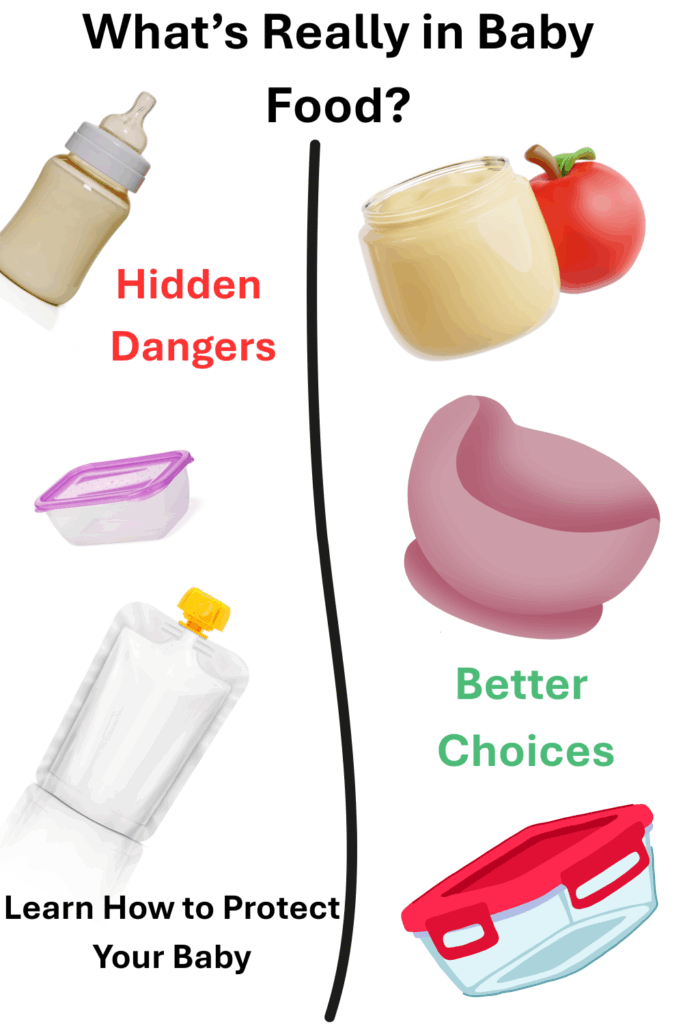
To no one’s surprise, all those store-bought baby food pouches add a LOT of plastic waste to an already plastic-filled world. Here’s why this matters:
❌ Most pouches are not recyclable – They’re often made from plastic and foil, meaning they end up in landfills or oceans.
❌ Glass jars aren’t perfect either – They require more energy to produce and transport than plastic.
❌ Many store-bought baby foods contain preservatives, additives, and even heavy metals – These can be harmful to babies over time.
Why sustainable baby meal prep can be the answer:
- Less packaging waste: Store-bought jars and pouches often come in plastic or hard-to-recycle packaging. Prepping at home + using reusable containers reduces that.
- Health & transparency: You control what goes into the food (no hidden salt/sugar).
- Time-saver + stress-reducer: A little prep up front frees you later—especially when you’re exhausted or juggling toddlers.
- Instill eco-values early: Showing your child that food is crafted, not just consumed, helps build mindful habits.
💡Not only does it eliminate single-use plastics, but it also allows you to reuse glass jars for food storage, snacks, or even homemade pickles! (More on that in my post about growing baby-friendly foods.)
Plus, homemade baby food has way more nutrients since it’s fresher and free from unnecessary additives.
🍽 5 Easy Ways to Make Baby Meal Prep More Eco-Friendly
1. Choose Seasonal & Organic Ingredients When Possible
✅ Seasonal produce reduces the need for artificial growing conditions & long transportation distances.
✅ Organic farming avoids harmful pesticides, supporting healthier soil & biodiversity.
✅ Buying local helps the environment and supports small farmers.
(For a seasonal produce guide, check out this Seasonal Food Guide or download my free Farmer’s Market Seasonal Shopping Guide.)
2. Reduce Food Waste with Smart Portioning
When a baby first starts solids, they only eat 1-2 teaspoons per meal. Many store-bought containers hold way more than a baby needs, leading to wasted food.
💡 Solution: When making your own baby food, you can customize portions and freeze extras in small, reusable containers. (Check out my portioning guide in The Ultimate Guide to Baby Food Purees: Yields, Prep Tips, and Safe Homemade Recipes.)
3. Use Reusable Baby Food Storage
✅ Silicone freezer trays instead of disposable plastic bags
✅ Glass jars & stainless steel containers over plastic tubs
✅ Reusable squeeze pouches for on-the-go meals
Check out my guide on sustainable containers and pouches here!
4. Batch Cook to Save Time & Energy
Cooking in larger batches reduces energy consumption and saves time during busy weeks.
🔹 Steam & blend in bulk, then freeze portions.
🔹 Use one-pot meals for baby-friendly food prep.
🔹 Reduce stovetop use by cooking multiple things at once.
5. Grow Your Own Baby-Friendly Foods 🌱
Even if you don’t have a garden, indoor-friendly options like microgreens, spinach, and carrots are great for homemade baby food!
✅ Less waste from store packaging
✅ Pesticide-free & budget-friendly
✅ Fun learning experience for little ones!
See my post on Easy Homegrown Foods for more at-home feeding options!

The Sustainable Parent’s Meal-Prep Setup
a) Equipment & containers
- Use glass jars or BPA-free silicone trays you already own (avoid single-use plastics).
- Choose a compact freezer-safe container labelled for baby-food portions (e.g., ¼-cup, ½-cup).
- Keep a small whiteboard or printed weekly plan on your fridge.
- I personally used 6× 3-inch wide-mouth jars plus silicone freezer cubes: I washed, reused, and swapped lids for longevity.
b) Ingredients & sourcing
- Seek organic or locally grown produce when possible—especially for veggies like carrots, peas, squash.
- Prioritize in-season produce to reduce food miles and cost.
- I always prioritized legumes (mung beans, lentils) and greens (spinach, kale) in small batches—nutritious and affordable.
c) Space & schedule
- Pick one block of time weekly (for example: Sunday afternoon) to prep.
- Clean counter → wash and chop produce → cook batches → portion → store/refrigerate.
- Allocate approx 60–90 minutes—manageable even when you’re juggling baby naps.

A 4-step Baby Meal-Prep Workflow
Here’s a workflow I used that aligned with sustainability and simplicity:
Step 1: Choose 3–4 recipes for the week
Example:
- Veggie-puree medley: squash + peas + spinach
- Lentil-sweet-potato mash
- Fruit & yogurt blend (once baby is at 8+ months)
- Finger-food section (if baby is in baby-led weaning stage)
Step 2: Cook and portion
- Steam or roast veggies in batches (use minimal oil, or skip if possible).
- Cook legumes and mash lightly (for younger babies).
- Portion into jars/trays while still warm (leave a little head-space if freezing).
- I labelled jars with date and contents—reused jars = less disposal.
Step 3: Store smartly
- Fridge: Up to 48 hours in clean jar.
- Freezer: Up to 3 months in sealed container.
- Thaw overnight in fridge; for quick use, run jar under warm water (never microwave plastic).
- Keep a small rotation so nothing sits too long—reduce waste.
Step 4: Use and adapt
- When baby is ready for finger foods (approx 9 + months), adapt your preps: e.g., roast vegetable sticks, soft-cooked pulses.
- Use leftovers: I often served my toddler a small scoop of baby-food mash alongside the family’s meal. That way one batch served two kids.
Sustainable Ingredient Ideas & Swap-Outs
| Ingredient | Conventional version | Sustainable swap & why |
|---|---|---|
| Store-bought baby-food pouches | Single-use plastic pouch | Home-cooked in glass jar — less waste & more flavour |
| Imported mango | Non-seasonal fruit | Local in-season fruit (apple, pear) — better flavour, lower footprint |
| Single-grain cereal | Rice cereal (often refined) | Mixed quinoa/oats/black-bean mash — better nutrition & texture |
| New plastic spoons/plates | Polypropylene utensils | Use bamboo spoons + stainless baby plates — reusable & durable |
By making these swaps, you’re not just prepping meals—you’re modeling intentional consumption.
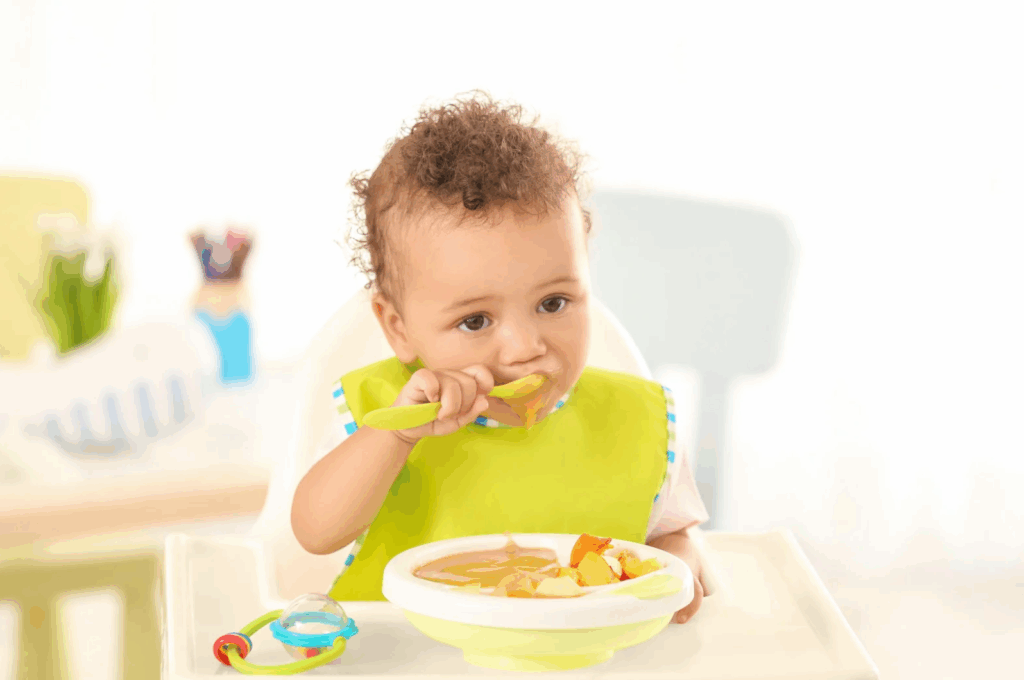
Addressing Common Parent Concerns
“I don’t have time”
You do—you just swap a portion of downtime (like one Sunday nap) for prep. I reduced kitchen anxiety by prepping one hour weekly, freeing up weekday evenings.
“My baby is a picky eater”
Even in prep, aim for variety: use colour, texture and mild seasoning (e.g., garlic powder, cinnamon – age appropriate!). I found rotating vegetables every 3–4 days helped my baby accept new tastes. Also try serving your baby what the rest of the family is eating (appropriately adapted) — it reduces the “separate baby meal” workload.
“I’m worried about food safety”
Strictly follow fridge/freezer guidance. Always cool hot foods before sealing jars. Avoid reheating in plastic. Clean your prep area thoroughly. For more on food-safety for infants: see this practical guide from the Centers for Disease Control and Prevention (CDC).
Actionable Checklist for This Week
- Reflect: how did your baby respond? What worked/what didn’t? Note for next week.
- Pick 3 recipes for your baby next week
- List ingredients and check what you already have
- Reserve 60 minutes (set timer!) this weekend to prep
- Use or reuse 6 jars/trays and label each with date
- Plan a finger-food option if baby is ≥ 9 months
Trusted Resources
- For baby-food & weaning approaches: check out a useful primer by Chick & Sprout.
- For zero-waste lifestyle tips for families: see our recent post Easy Sustainable Swaps for Parents on Inspire & Sprout.
- For batch-cooking strategies applicable beyond baby meals: here’s a helpful guide for toddler meal ideas that overlap.
🥑 Easy Eco-Friendly Baby Food Recipe: Creamy Banana Oatmeal

A simple, nutrient-packed meal that’s easy to prep, baby-approved, and sustainable!
🥣 Ingredients:
✅ 1 ripe banana (rich in potassium & fiber)
✅ ¼ cup oat flour or blended rolled oats (iron-rich)
✅ ½ cup breast milk, formula, or water
✅ 1 tsp chia seeds (for omega-3s & fiber)
👩🍳 Instructions:
1️⃣ Blend banana & oats into a smooth puree.
2️⃣ Heat liquid in a small pot, then add the oat-banana mix.
3️⃣ Stir constantly for 2-3 minutes until creamy.
4️⃣ Add chia seeds & let sit for 2 minutes to thicken.
5️⃣ Serve warm or store in a reusable container!
💚 Ready to Make Sustainable Baby Meal Prep Easier?
Meal-prepping for your baby doesn’t mean sacrificing your values. With a little planning and smart swaps, you can feed your baby wholesome meals, align with your sustainable lifestyle, reduce waste and ease weekday mealtime stress. The key: set aside consistent time, use reusable containers, rotate foods, and keep it simple.
📩 Join our Community! Stay Connected with mindful living and sustainability by signing up for our newsletter. Each month, we send out a free eco-friendly and mindful calendar with easy, actionable prompts to help you live more consciously and sustainably. Plus, get access to other helpful tips, updates, and resources!
Check out these other articles and resources to continue on your mindful and sustainable journey:
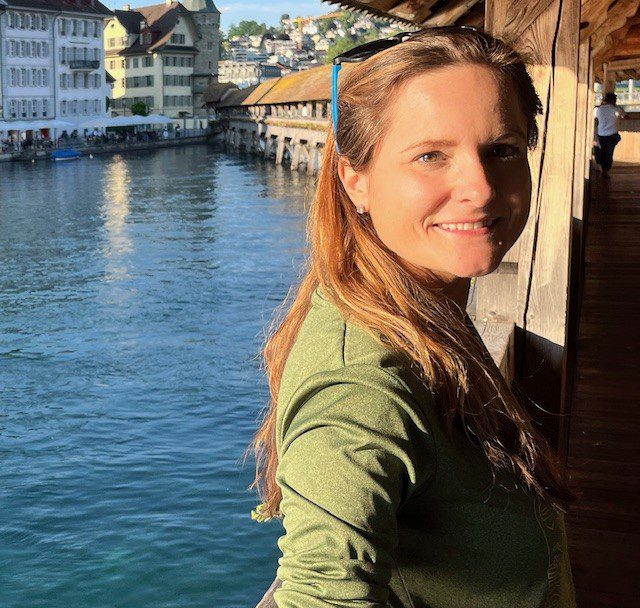
Hi, I’m Christine — a nature-loving mom on a journey to live more sustainably and mindfully.
Through the ups and downs of parenting, I’ve found peace in mindfulness, meditation, and conscious living. Now, I share simple tips for mindful parenting, sustainable choices, and creating a sense of calm in everyday family life.
2 Responses
Hi, this is a comment.
To get started with moderating, editing, and deleting comments, please visit the Comments screen in the dashboard.
Commenter avatars come from Gravatar.
[…] How to Avoid Heavy Metals & Microplastics in Baby FoodGuided Mindfulness Activities for Parents & Kids: Simple, Sustainable Ways to Bring Calm Into Everyday LifeUltimate Guide to Eco-Friendly Baby Meal Prep (Sustainable & Easy!) […]